

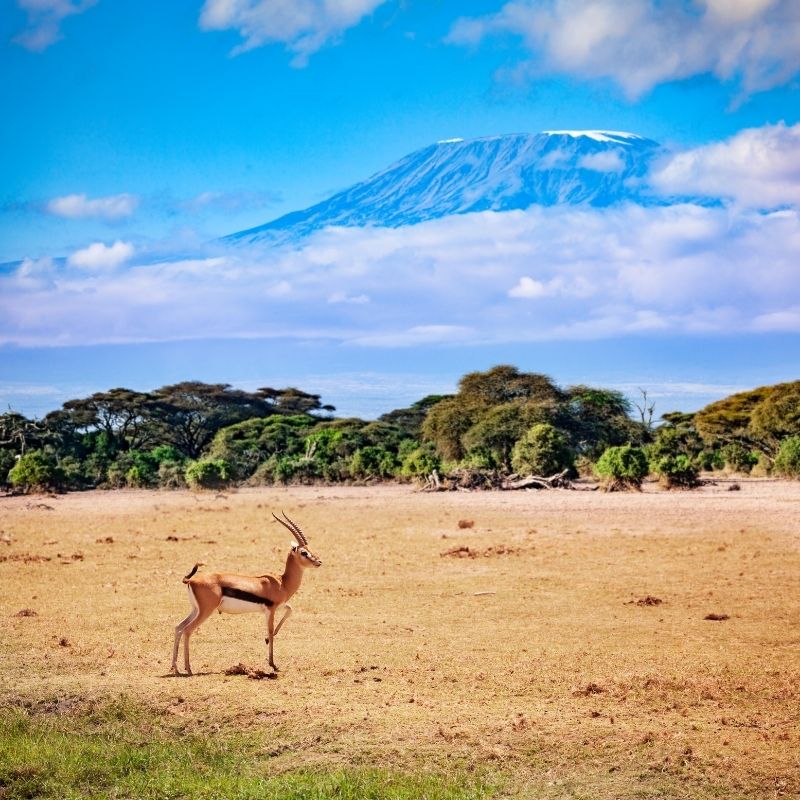
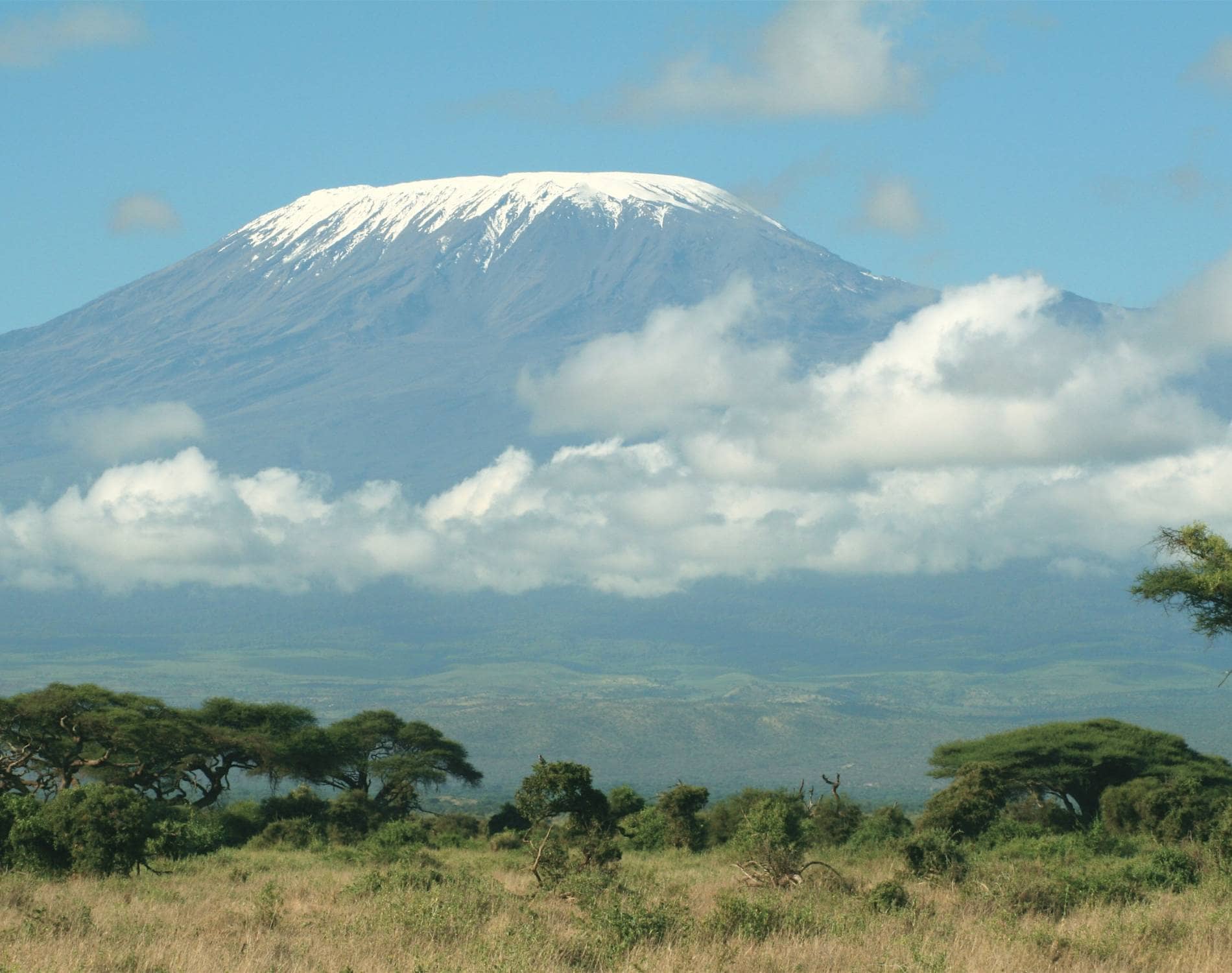
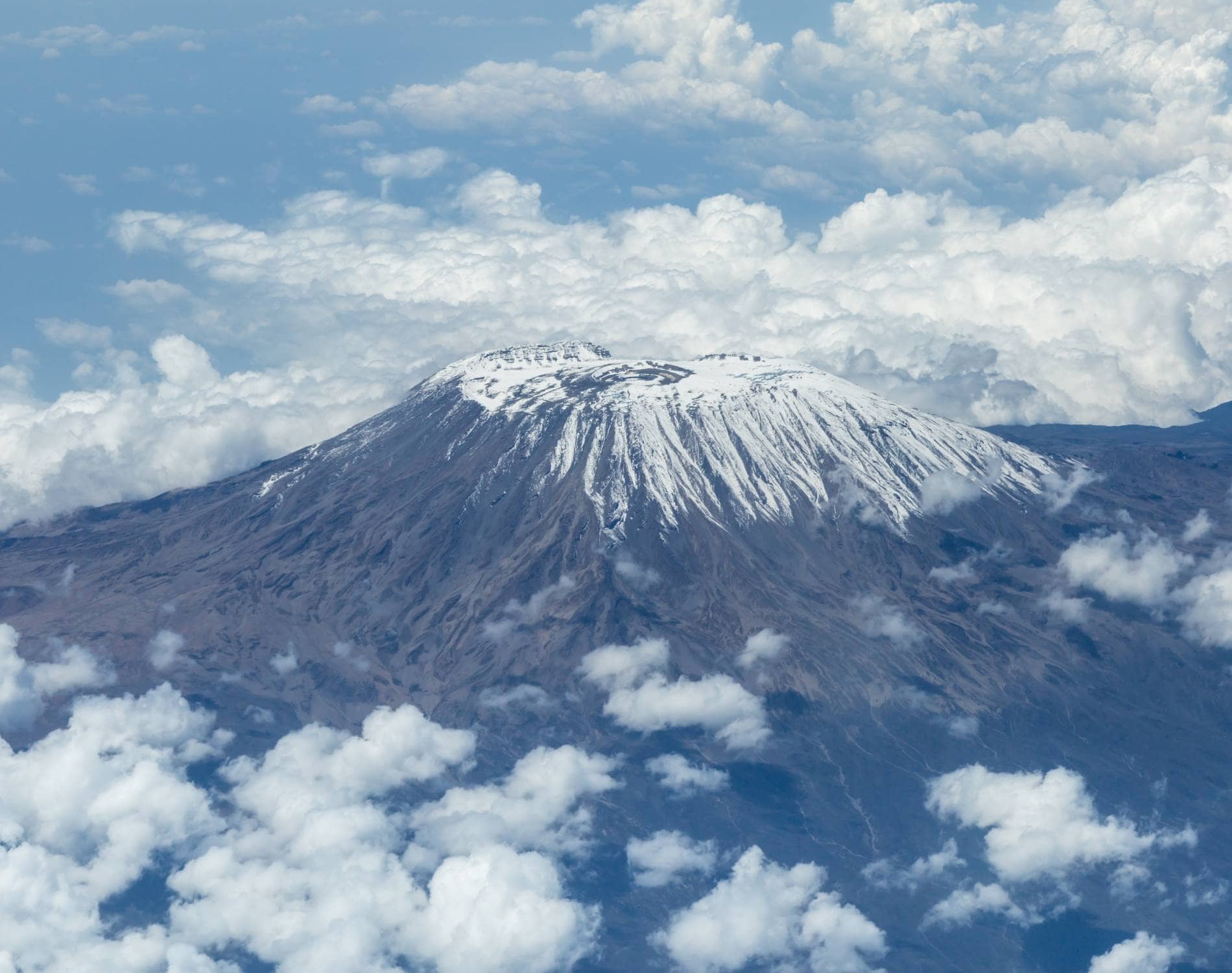
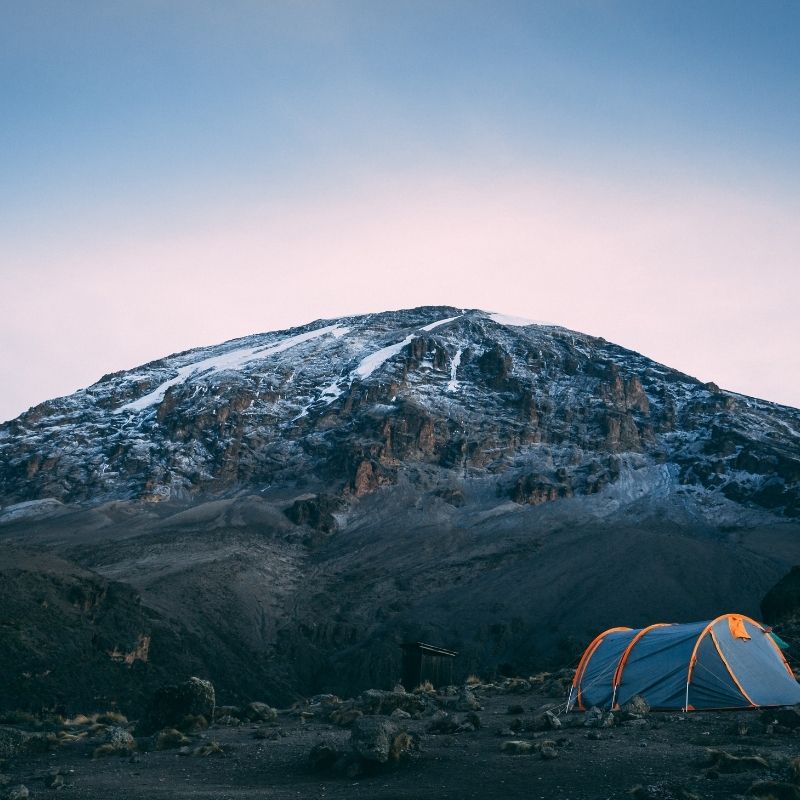
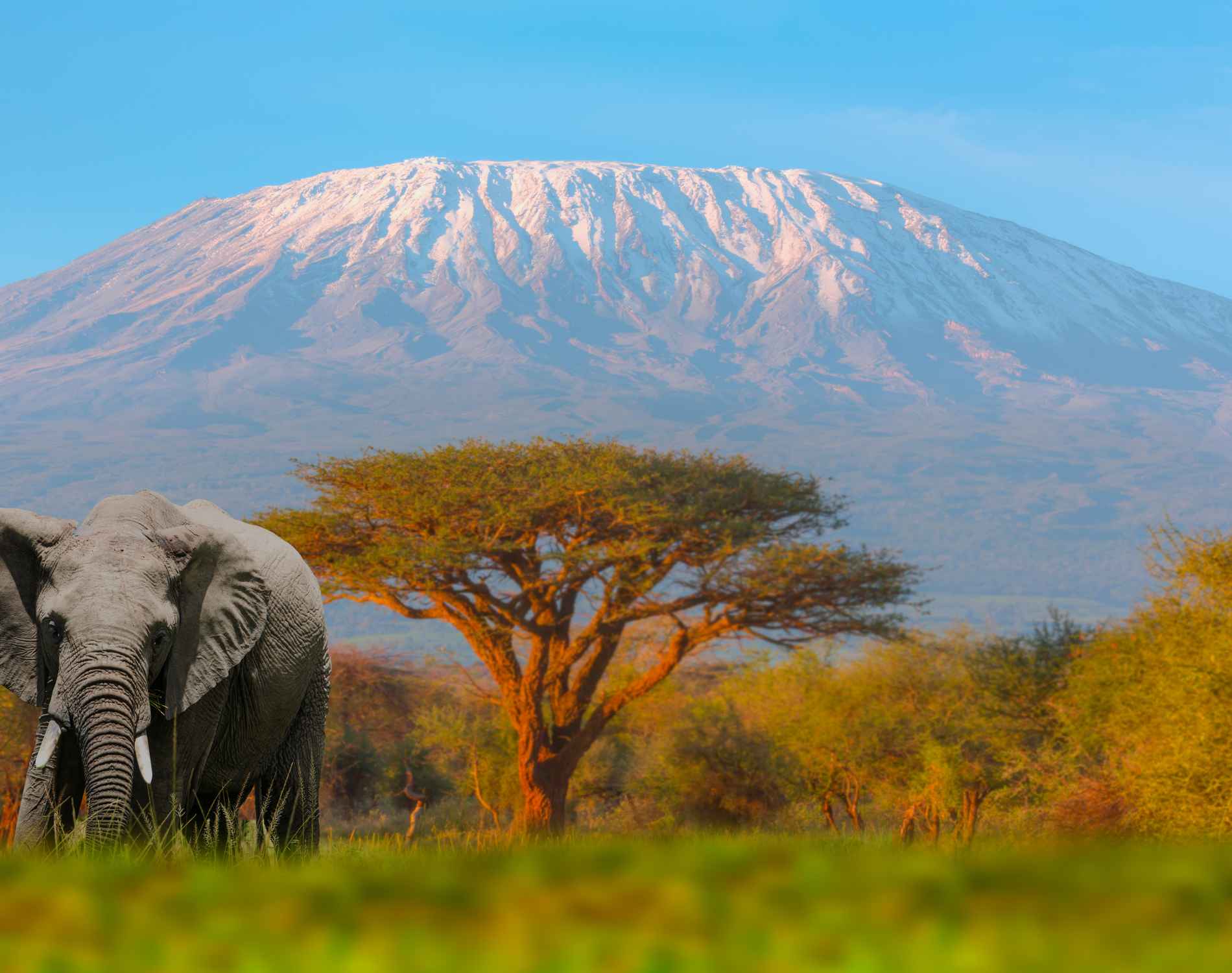
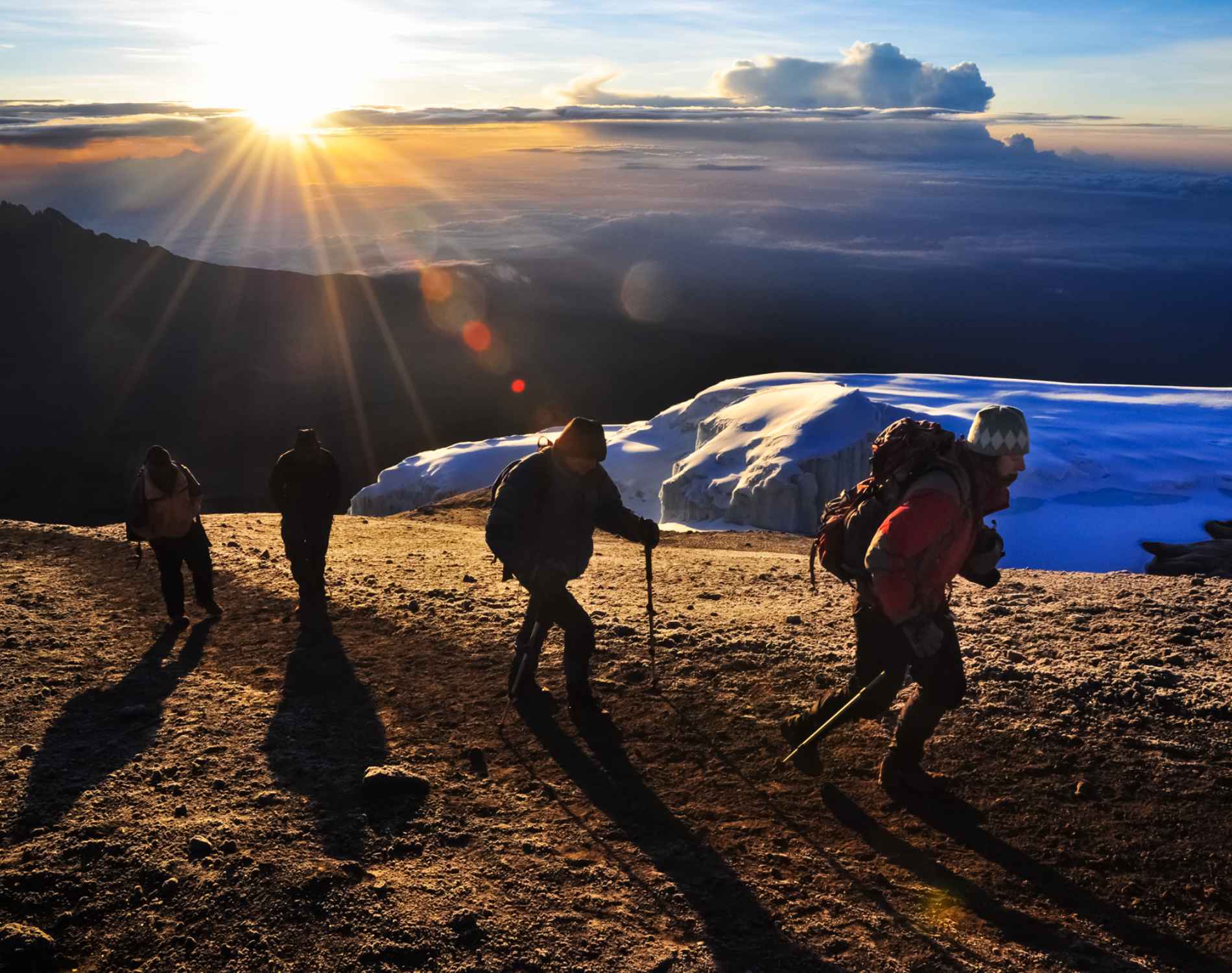
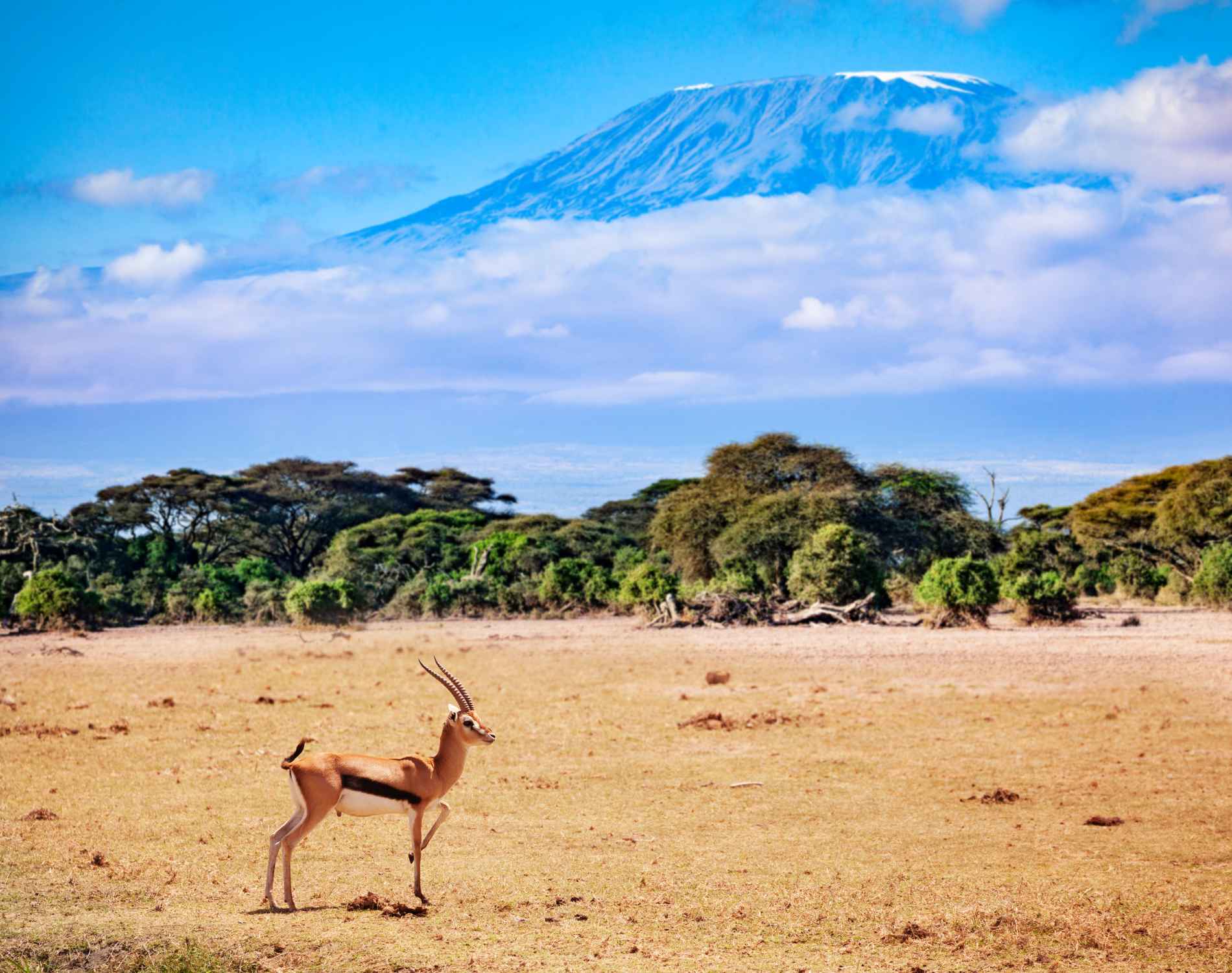
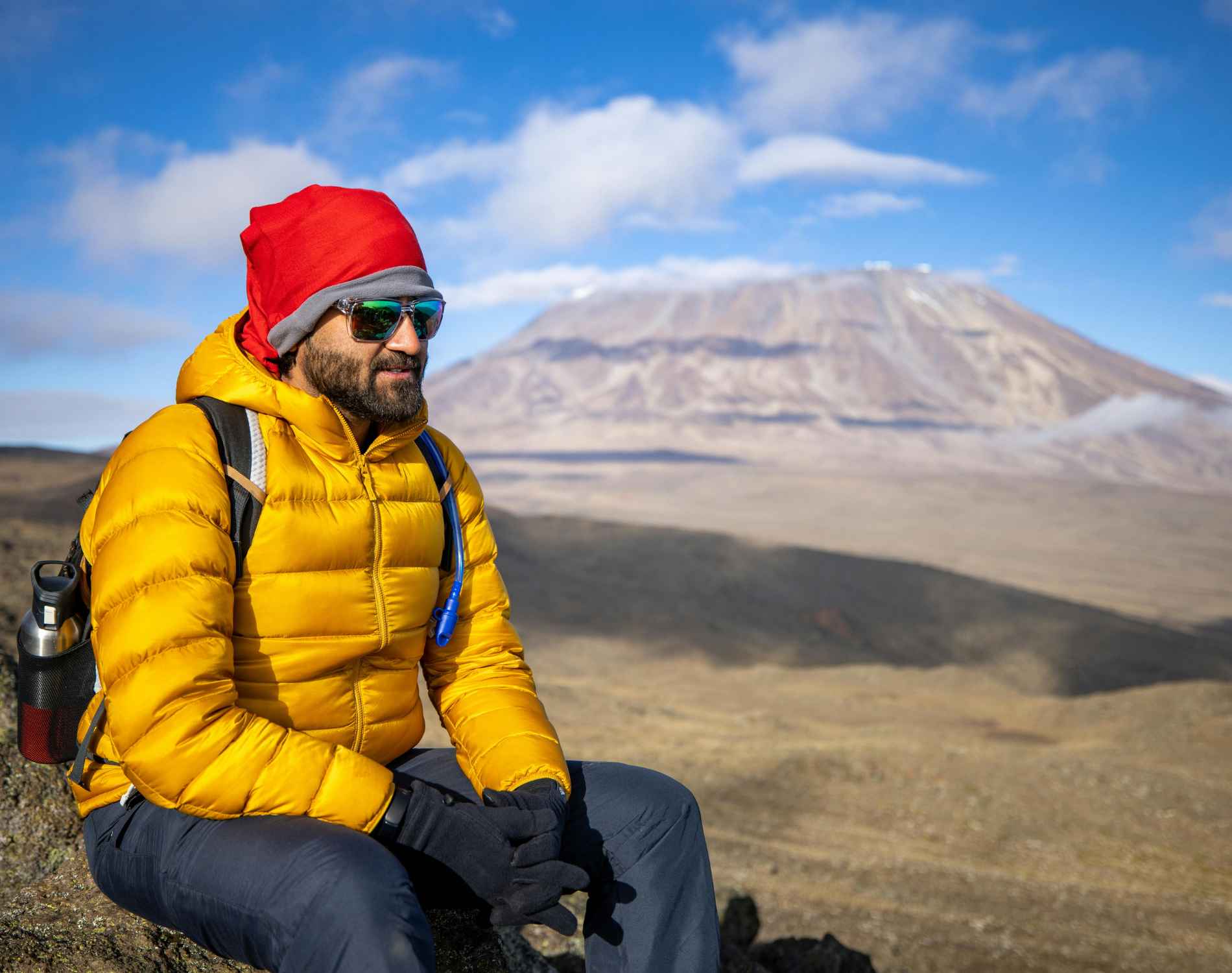
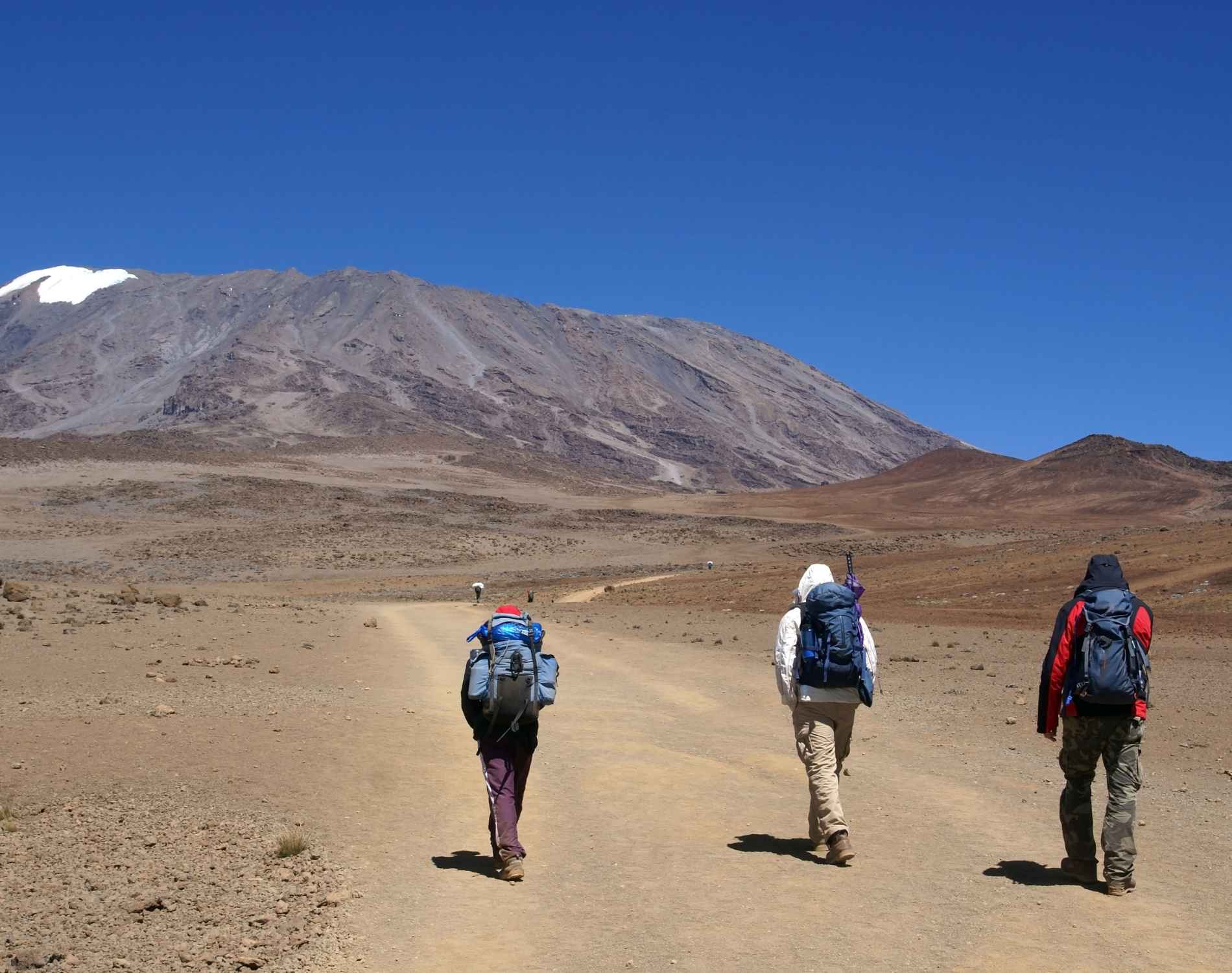
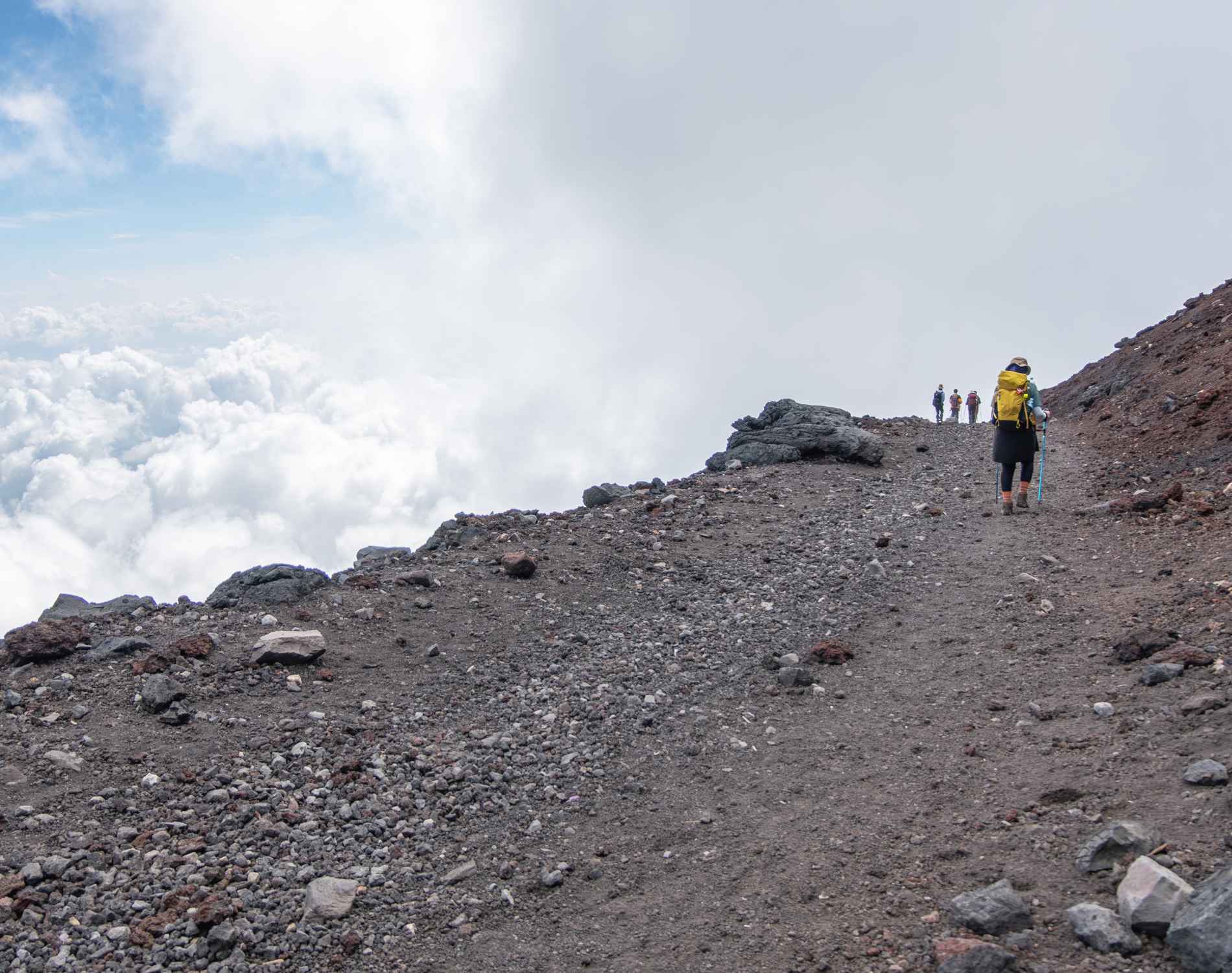
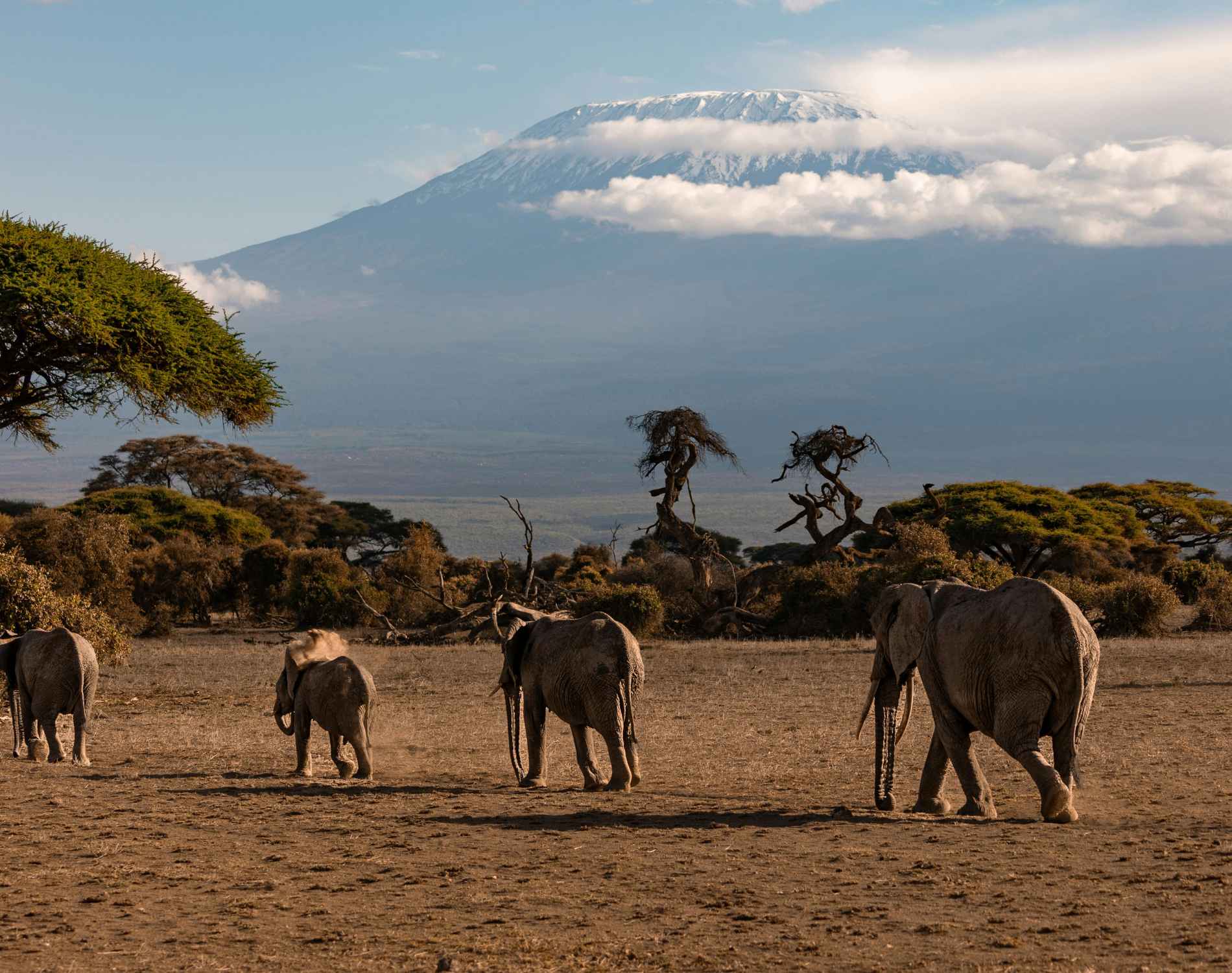
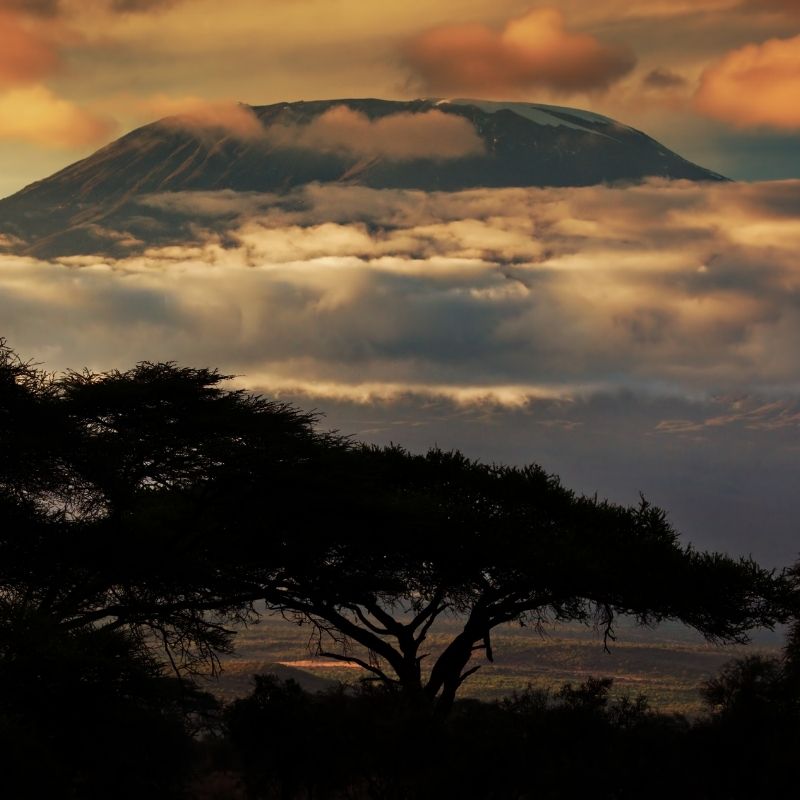
Mount Kilimanjaro is Africa’s highest mountain and one of the most iconic natural landmarks in the world. Rising to 5,895 meters above sea level, this free-standing volcanic mountain dominates the landscape of northern Tanzania and attracts trekkers from across the globe.
What makes Kilimanjaro unique is that it can be climbed without technical mountaineering skills, yet it remains a serious physical and mental challenge due to altitude. Reaching the summit is a life-changing achievement for many travelers.

Why Climb Mount Kilimanjaro
Climbing Mount Kilimanjaro is not just about reaching the summit. It is a journey through dramatically changing landscapes and climate zones.
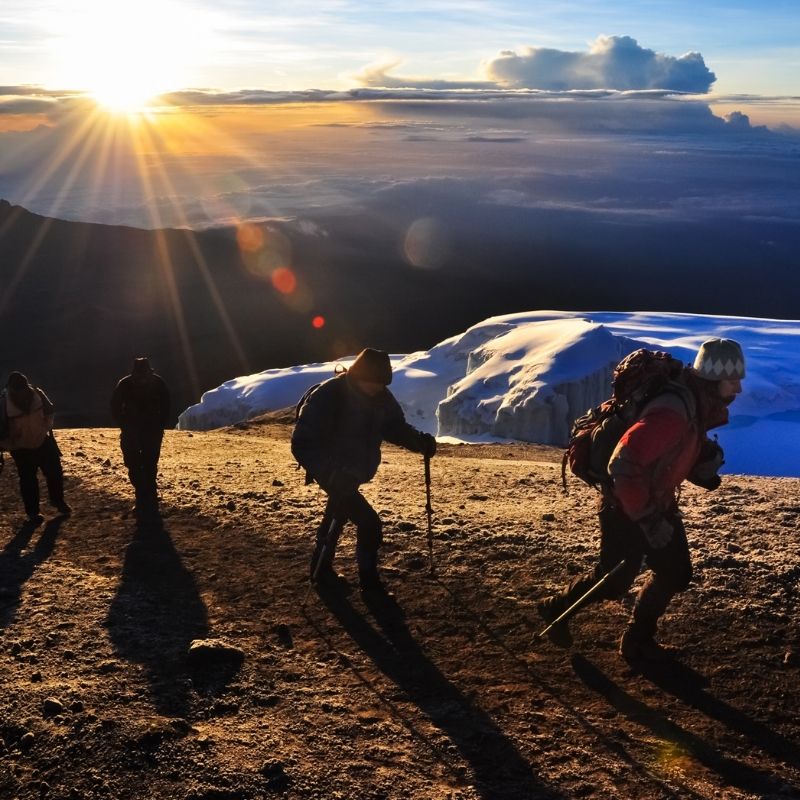
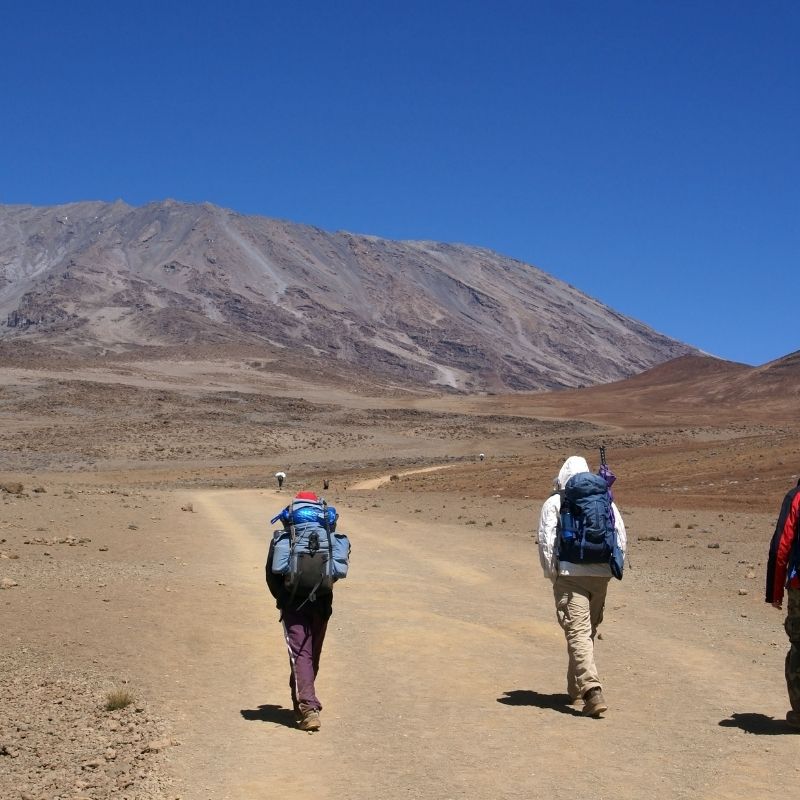
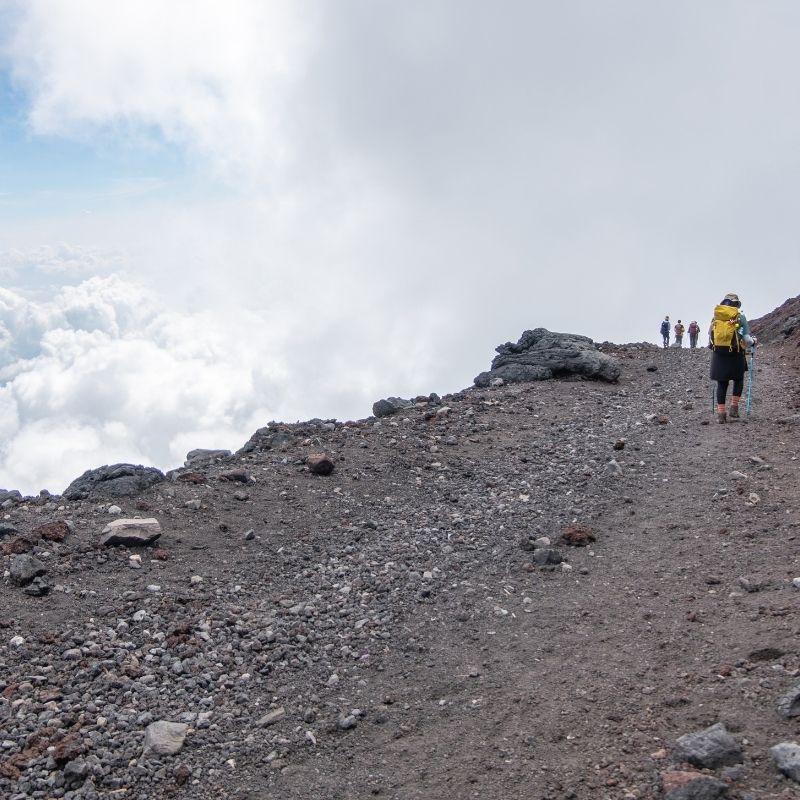
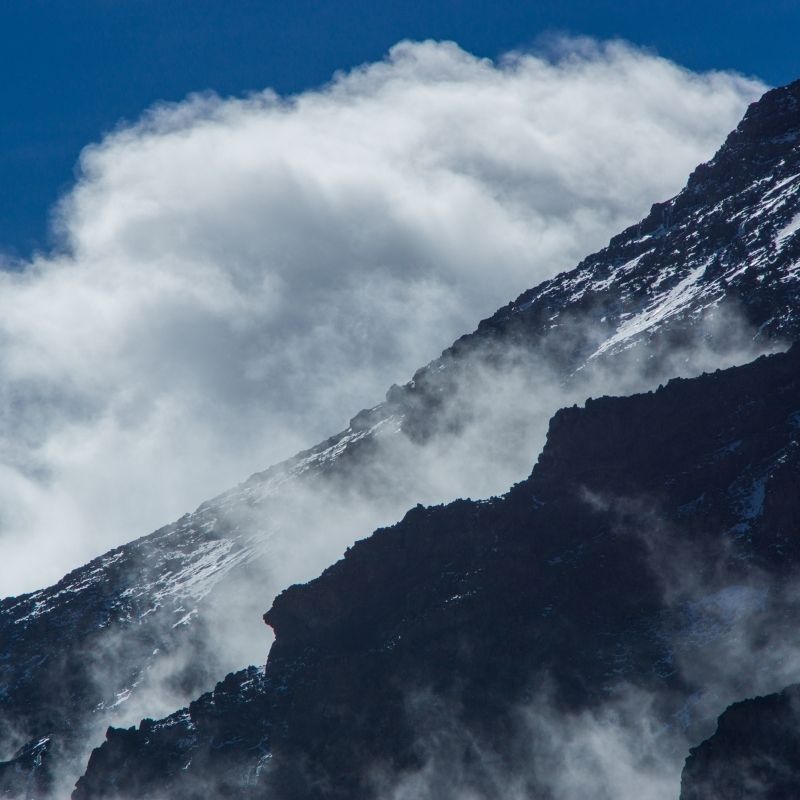
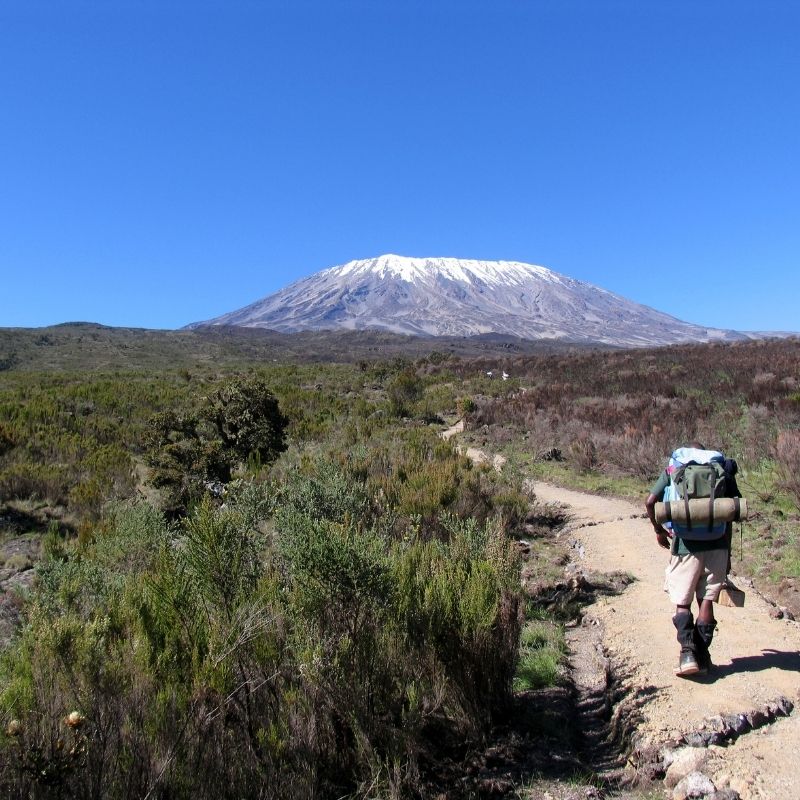
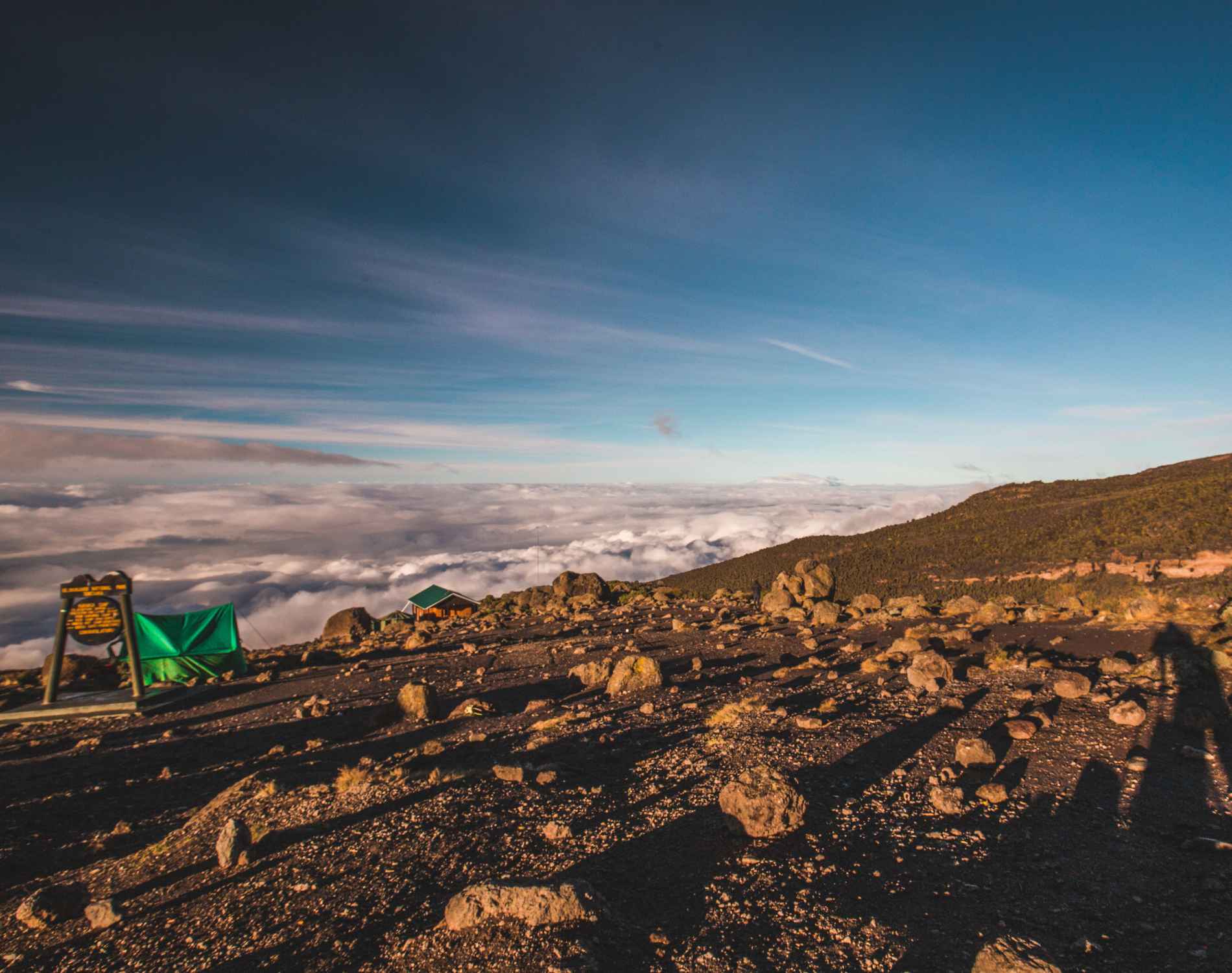
During the climb, you pass through tropical rainforest, heath and moorland, alpine desert, and finally arctic-like summit conditions. Each zone offers distinct scenery and a unique trekking experience.

Kilimanjaro Routes Overview
Mount Kilimanjaro has several established routes, each offering a different balance of scenery, acclimatization, and difficulty.
Popular routes include the scenic Lemosho Route, the dramatic Machame Route, the longer and quieter Northern Circuit Route, the hut-based Marangu Route, and the drier Rongai Route. Choosing the right route plays a major role in overall comfort and summit success.

Summit Success and Acclimatization
Altitude is the biggest challenge on Mount Kilimanjaro. Proper acclimatization is far more important than physical strength.
Longer itineraries, gradual altitude gain, steady pacing, and experienced guides significantly increase the chances of reaching the summit safely and comfortably.

Best Time to Climb Mount Kilimanjaro
Mount Kilimanjaro can be climbed throughout the year, but weather conditions vary by season.
January to February and June to October offer the most stable conditions with clearer skies. March to May is wetter with fewer climbers, while November to December brings short rains but remains climbable.
Responsible Climbing on Kilimanjaro
Mount Kilimanjaro is a protected and fragile environment. Responsible climbing helps preserve the mountain and supports local communities.
This includes respecting park regulations, following designated routes, ensuring fair treatment of guides and porters, and leaving no waste behind.

How Kilimanjaro Fits Into a Tanzania Trip
Many travelers combine a Kilimanjaro climb with a northern Tanzania safari or a Zanzibar beach extension. This creates a balanced journey that blends adventure, wildlife, and relaxation.
Why Mount Kilimanjaro Is a Once-in-a-Lifetime Experience
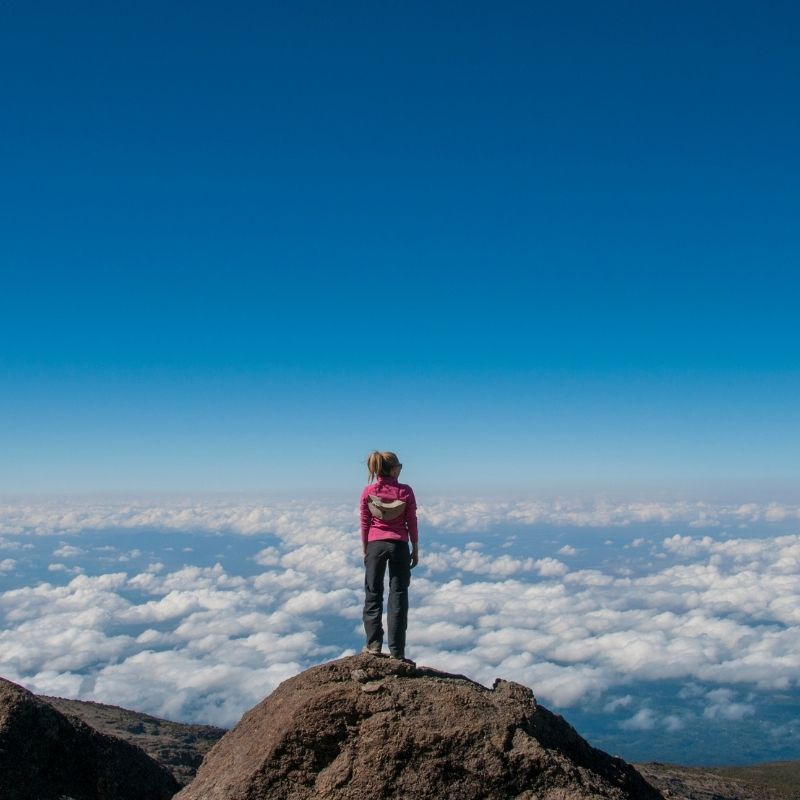
Standing on Uhuru Peak at sunrise, above the clouds, is an unforgettable moment. Mount Kilimanjaro offers not only a physical challenge but also a deep sense of achievement and connection with nature.