

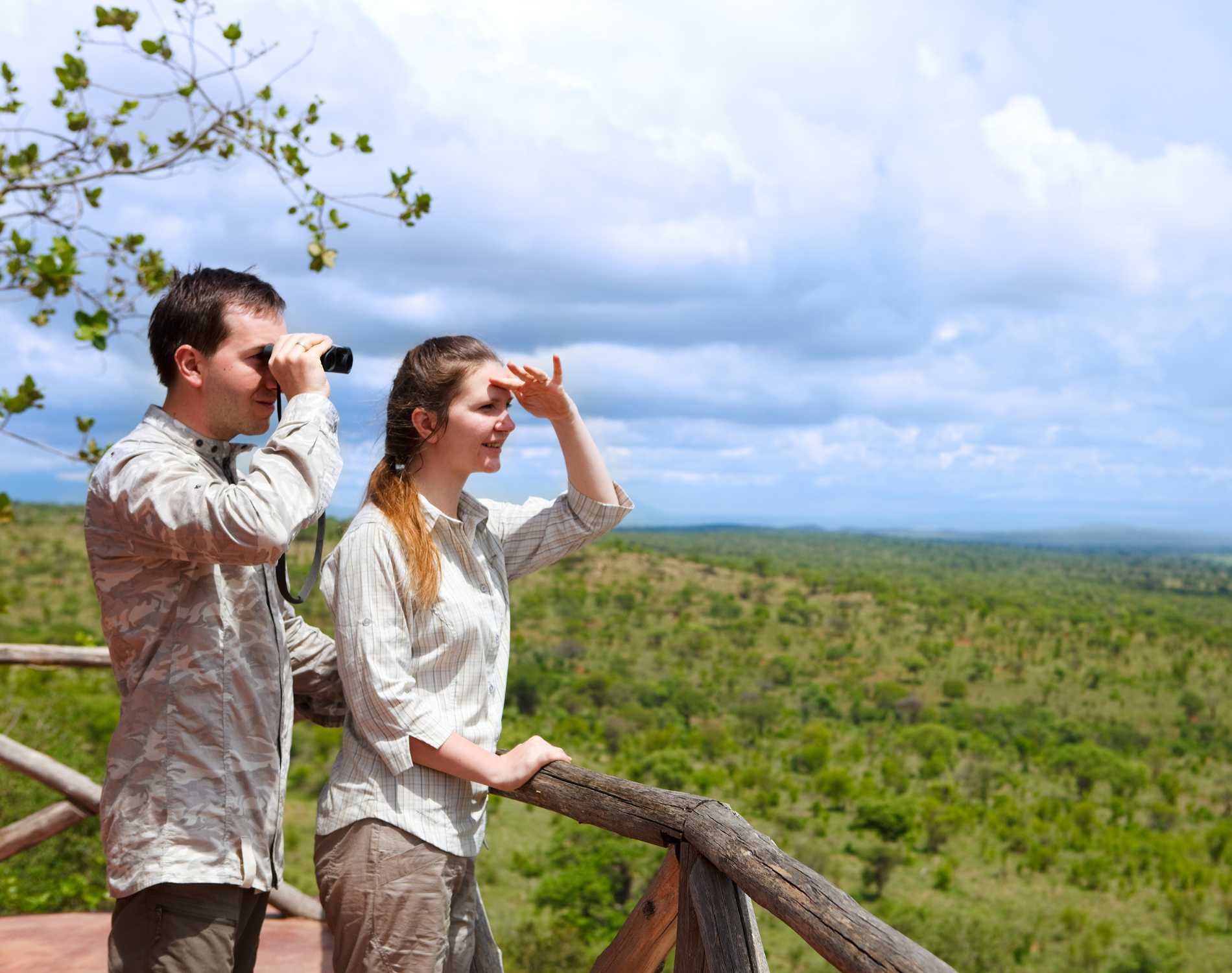
Tanzania weather
Tanzania Weather Guide. What to Expect Throughout the Year
Tanzania has a generally warm, tropical climate, but weather conditions vary by region, altitude, and season. Understanding Tanzania’s weather helps you plan the right safari, Kilimanjaro climb, or beach holiday at the best possible time.
Rather than four traditional seasons, Tanzania experiences dry and rainy periods, each offering different travel advantages.
Tanzania Climate Overview
- Average daytime temperatures: 20°C–30°C (68°F–86°F)
- Coastal areas and islands: Warm and humid year-round
- Northern safari circuit: Moderate temperatures, cooler mornings and evenings
- High-altitude regions (Kilimanjaro, Ngorongoro): Much cooler, especially at night
Dry Season . June to October
This is the most popular time to visit Tanzania.
Weather conditions
- Minimal rainfall
- Sunny days with low humidity
- Cooler evenings, especially in safari areas
What this means for travelers
- Excellent wildlife visibility as animals gather near water
- Ideal conditions for safaris and photography
- Comfortable temperatures for Zanzibar beach holidays
- Best period for Mount Kilimanjaro climbs
Things to consider
- Peak tourist season
- Higher demand and pricing
Short Dry Season . January to February
A warm and pleasant period between rainy seasons.
Weather conditions
- Warm temperatures
- Limited rainfall
- Clear skies
What this means for travelers
- Wildebeest calving season in southern Serengeti
- Increased predator activity
- Great safari experiences with fewer crowds than peak season
- Good beach conditions in Zanzibar
Long Rainy Season . March to May
This is Tanzania’s main rainy season.
Weather conditions
- Heavier rainfall, especially in April
- Short, intense showers rather than all-day rain
- Lush green landscapes
What this means for travelers
- Fewer tourists and quieter parks
- Lower travel costs
- Excellent birdlife and scenic photography
- Some remote roads may be difficult to access
Best suited for
- Budget-conscious travelers
- Repeat visitors
- Travelers who prefer fewer crowds
Short Rainy Season . November to December
A transitional period with lighter rainfall.
Weather conditions
- Brief rain showers, often in the afternoon or evening
- Warm temperatures
- Fresh, green scenery
What this means for travelers
- Good wildlife viewing continues
- Fewer crowds than peak dry season
- Balanced conditions for safaris and beach trips
Regional Weather Differences
Northern Safari Circuit
(Serengeti, Ngorongoro, Tarangire, Lake Manyara)
- Cooler mornings and nights
- Pleasant daytime temperatures
- Seasonal wildlife movements influenced by rainfall
Coastal Areas and Islands
(Zanzibar, Mafia, Pemba)
- Warm and humid year-round
- Best beach weather from June to October and January to February
- March to May brings higher humidity and rainfall
Mount Kilimanjaro and Highlands
- Cooler temperatures due to altitude
- Weather changes rapidly with elevation
- Night temperatures can drop below freezing at higher camps
Weather and Key Travel Experiences
Safaris
Dry months offer the best wildlife visibility, but green seasons bring dramatic landscapes and fewer vehicles.
The Great Wildebeest Migration
- Weather influences grass growth and water availability
- Migration timing shifts naturally and does not follow a fixed calendar
Beach Holidays
Dry months provide calmer seas and clearer water for swimming and snorkeling.
Kilimanjaro Climbing
Stable weather during dry periods improves comfort and summit success rates.
Summary
Tanzania’s weather supports travel all year. The best time depends on your priorities.
- Best overall weather: June to October
- Best wildlife action with fewer crowds: January to February
- Best value and greenery: March to May and November
- Best for beach and climbing: January–February and June–October
