Below is the Ngorongoro Crater page updated exactly as requested, with ONE image per section.
Each image is placed immediately before its section heading, so you can copy–paste directly into your text editor or Elementor.
Ngorongoro Crater
Ngorongoro Crater is one of Africa’s most remarkable natural wonders and a highlight of any Tanzania safari. Formed millions of years ago after a massive volcanic eruption and collapse, the crater is now the world’s largest intact volcanic caldera, sheltering an extraordinary concentration of wildlife within its steep walls.
What makes Ngorongoro truly unique is its self-contained ecosystem. Animals live permanently on the crater floor, creating one of the most reliable safari destinations in Africa for wildlife viewing in a single day.
Why Visit Ngorongoro Crater
Ngorongoro Crater offers an unmatched safari experience where diverse wildlife can be seen in a relatively compact area. Because animals do not migrate out of the crater in large numbers, sightings are consistent throughout the year.
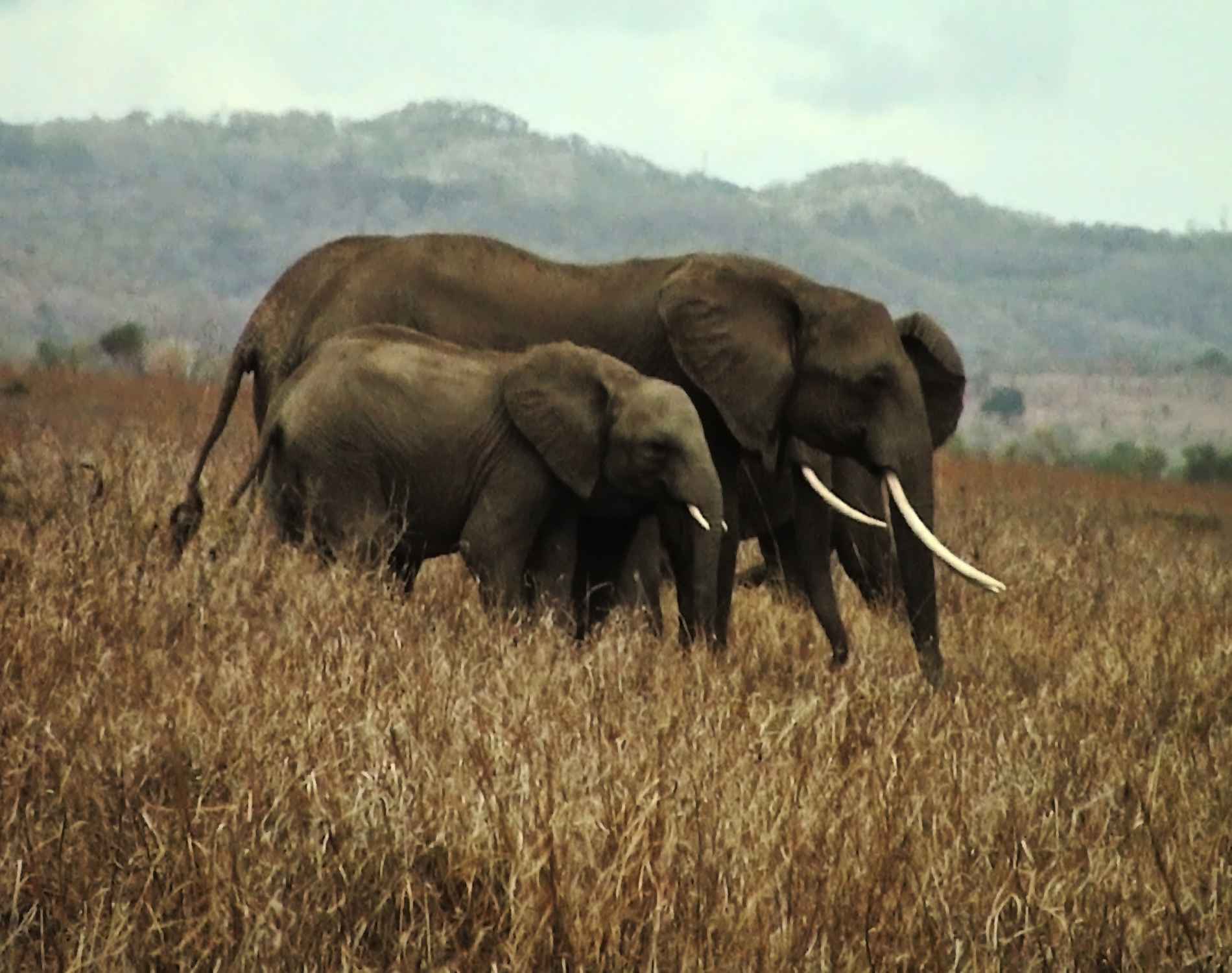
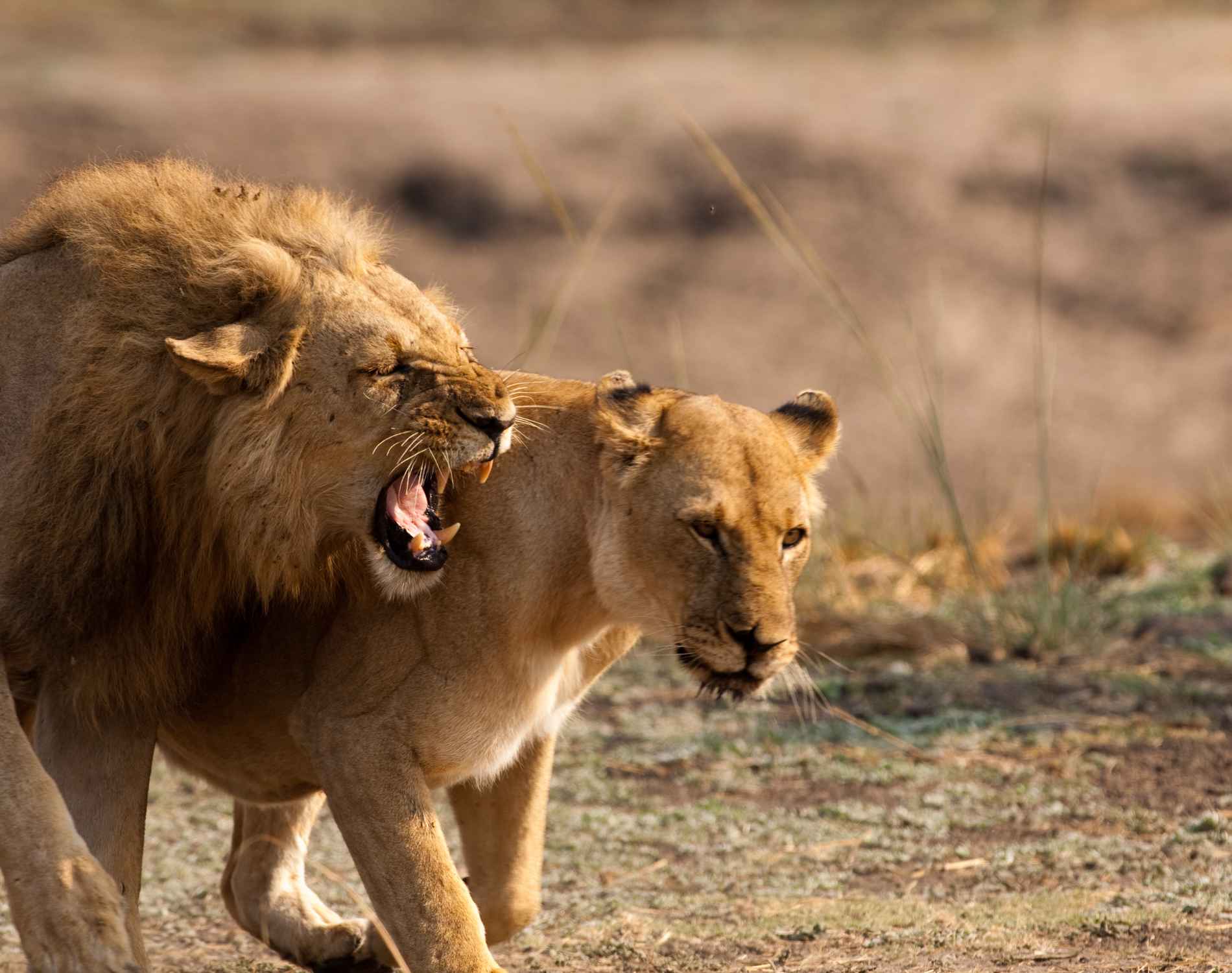
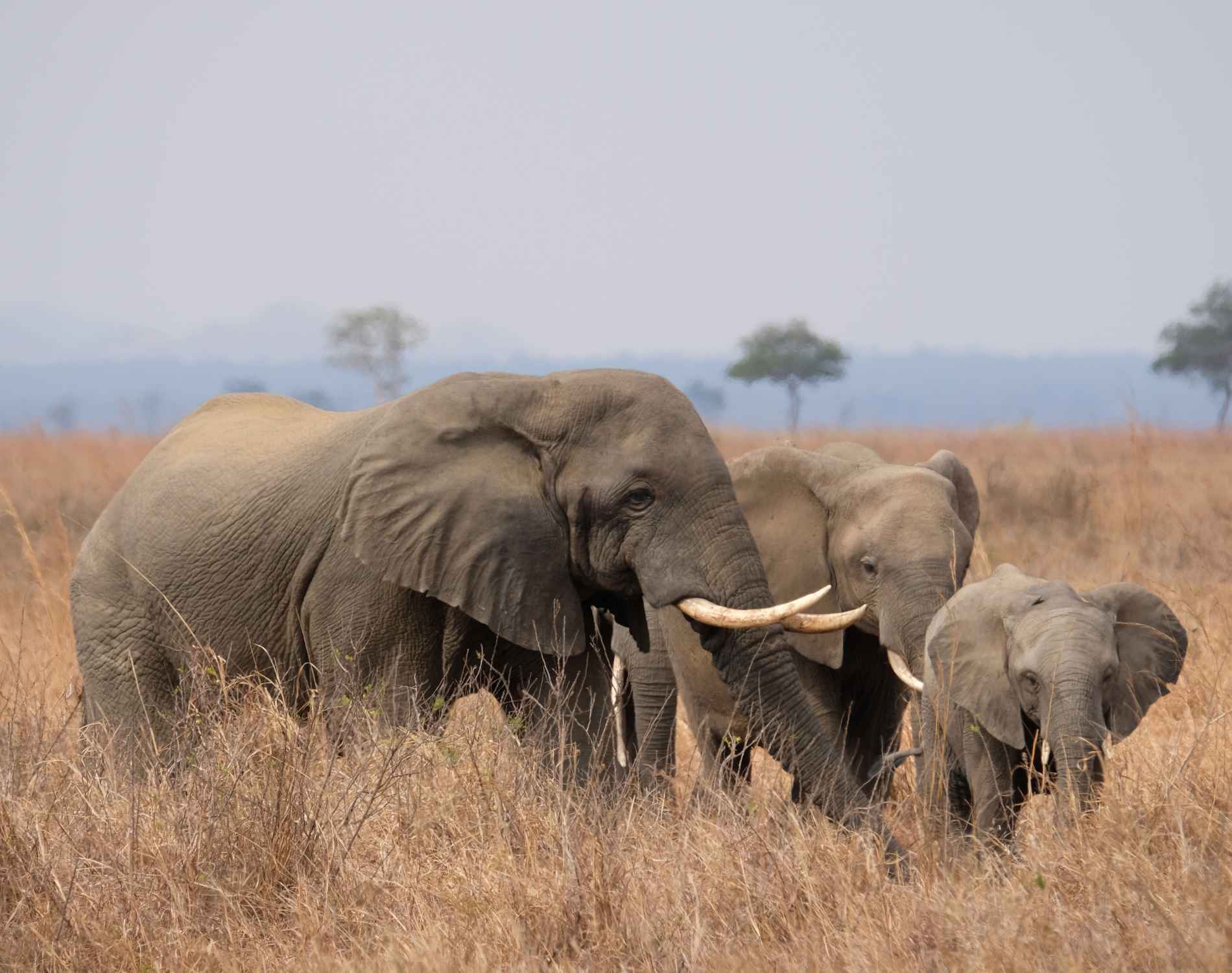
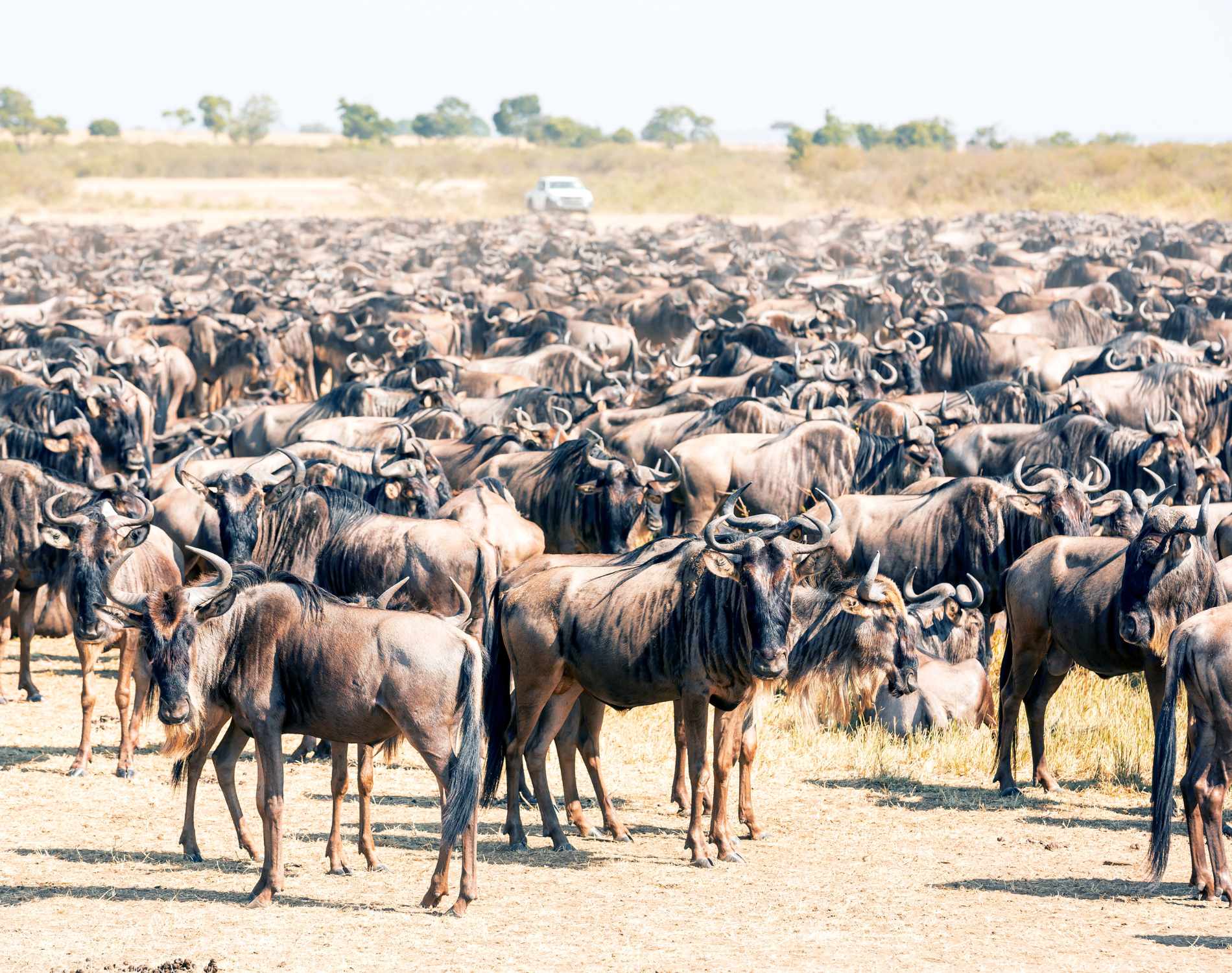
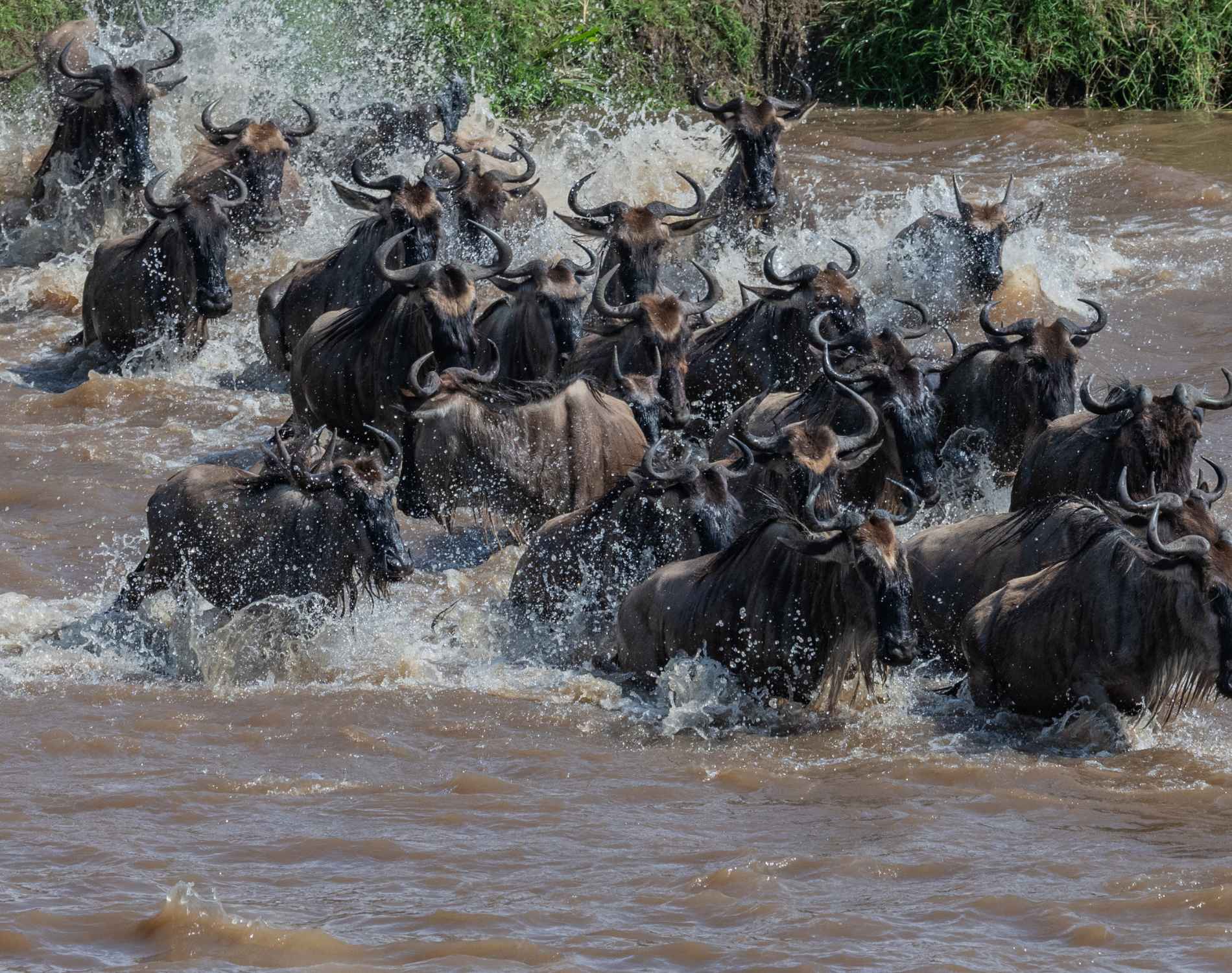
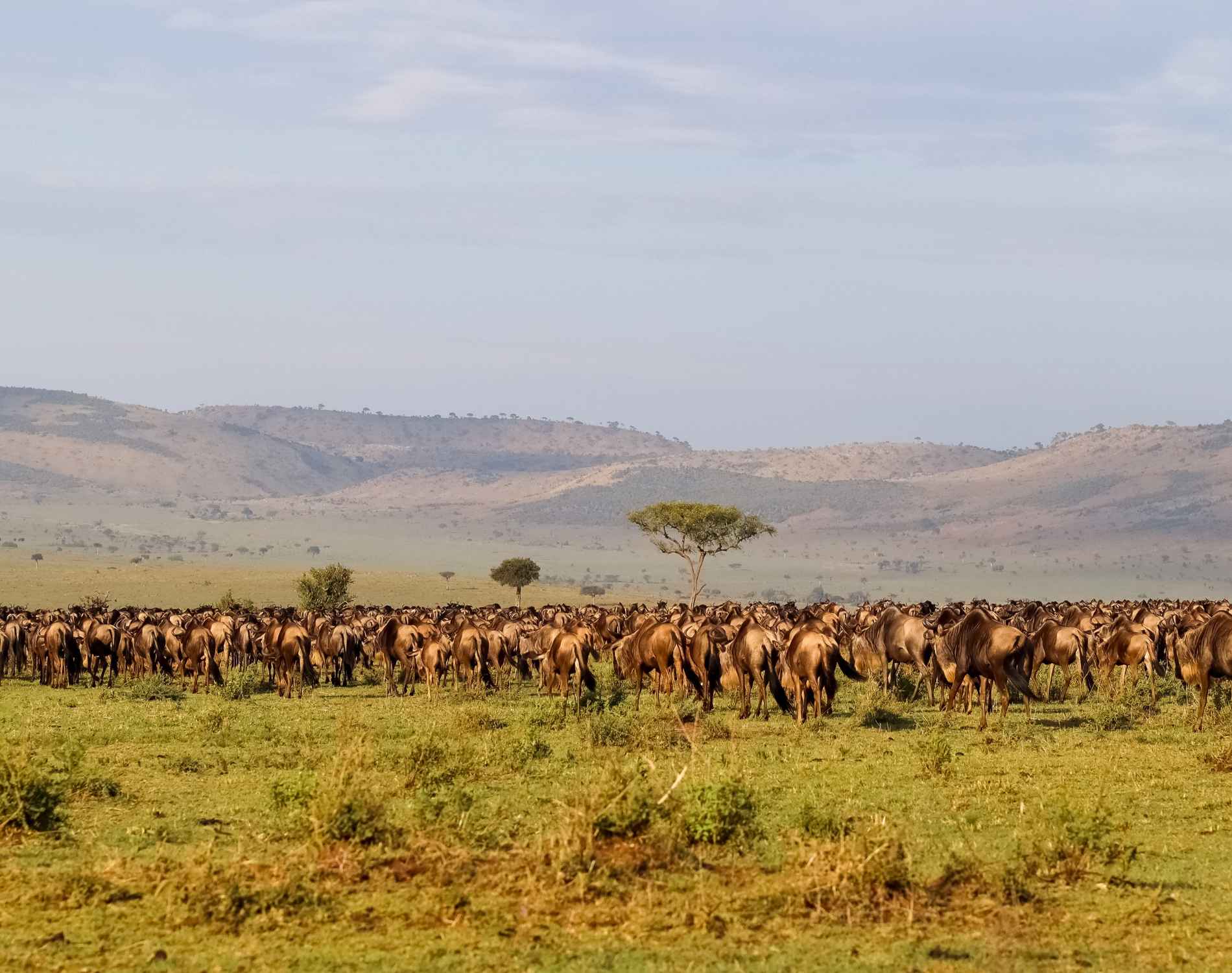
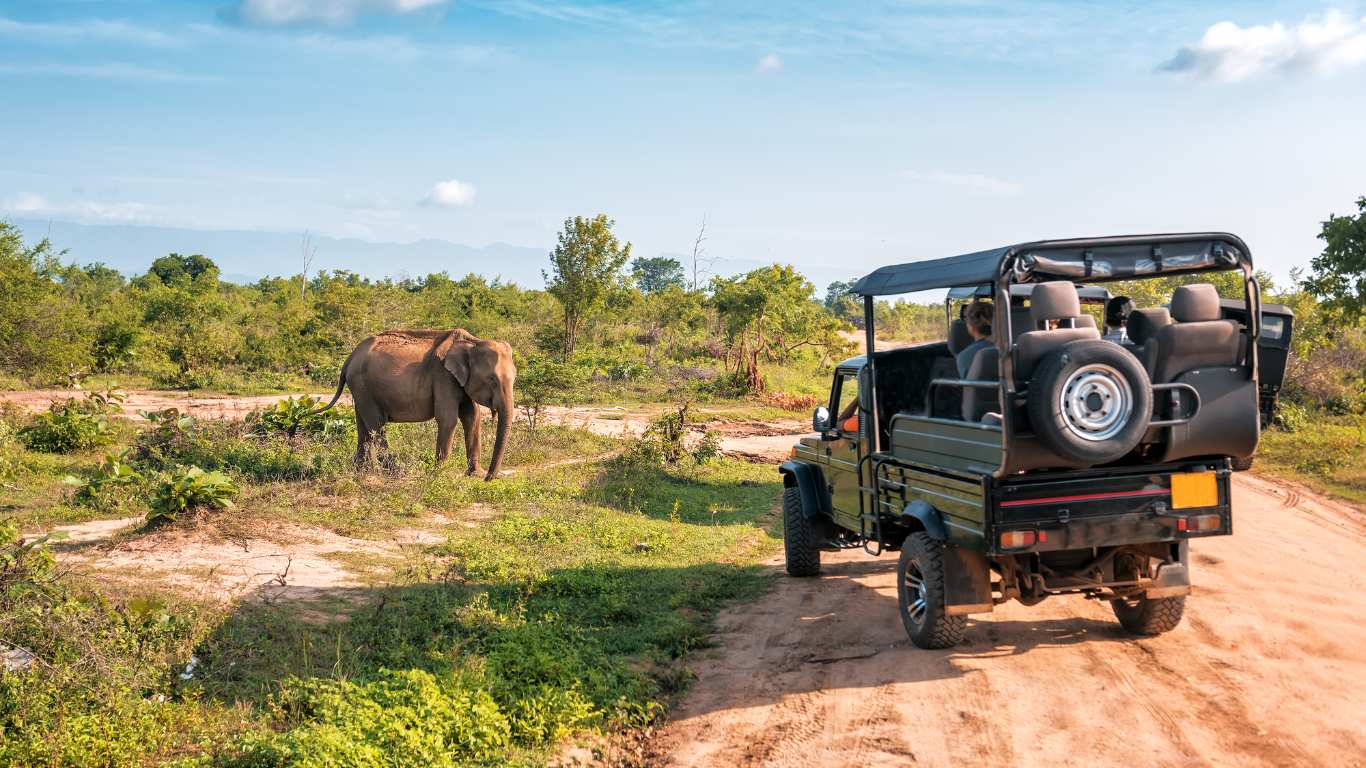
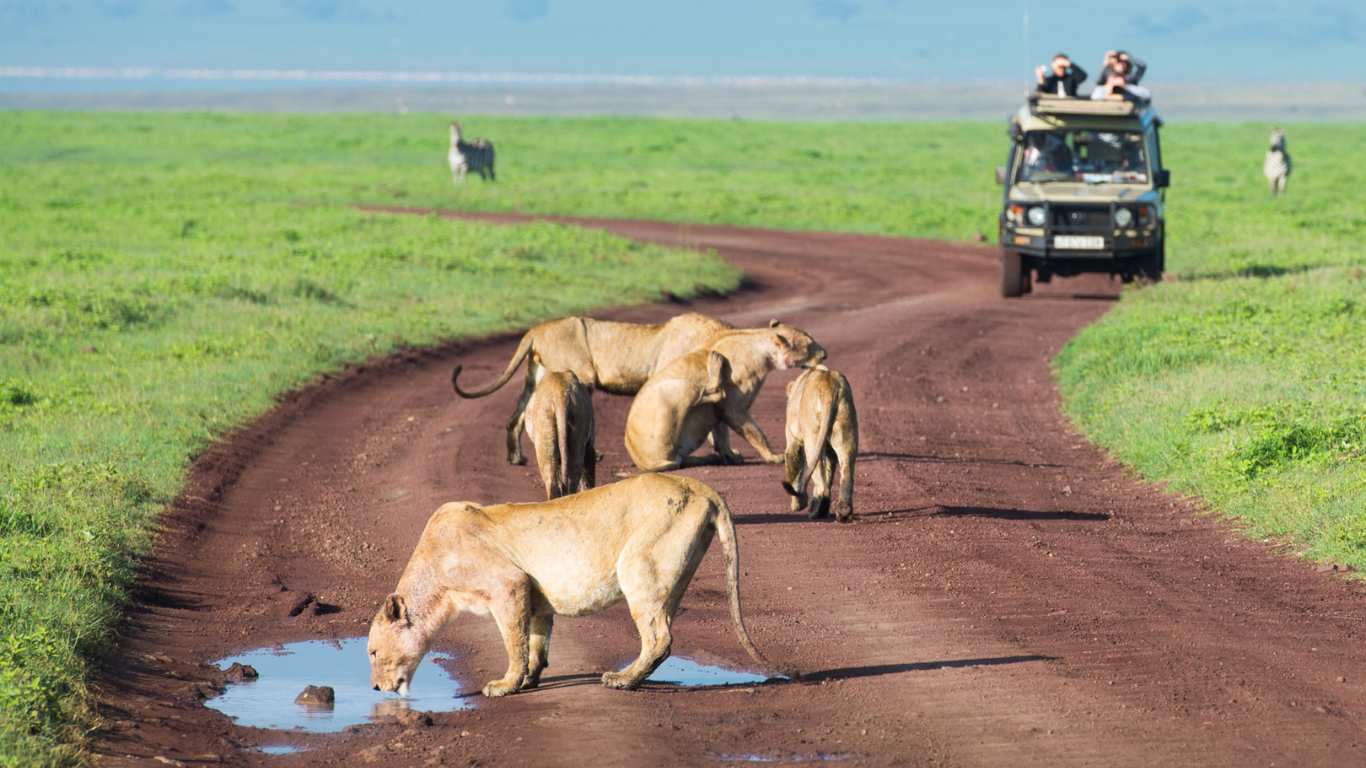
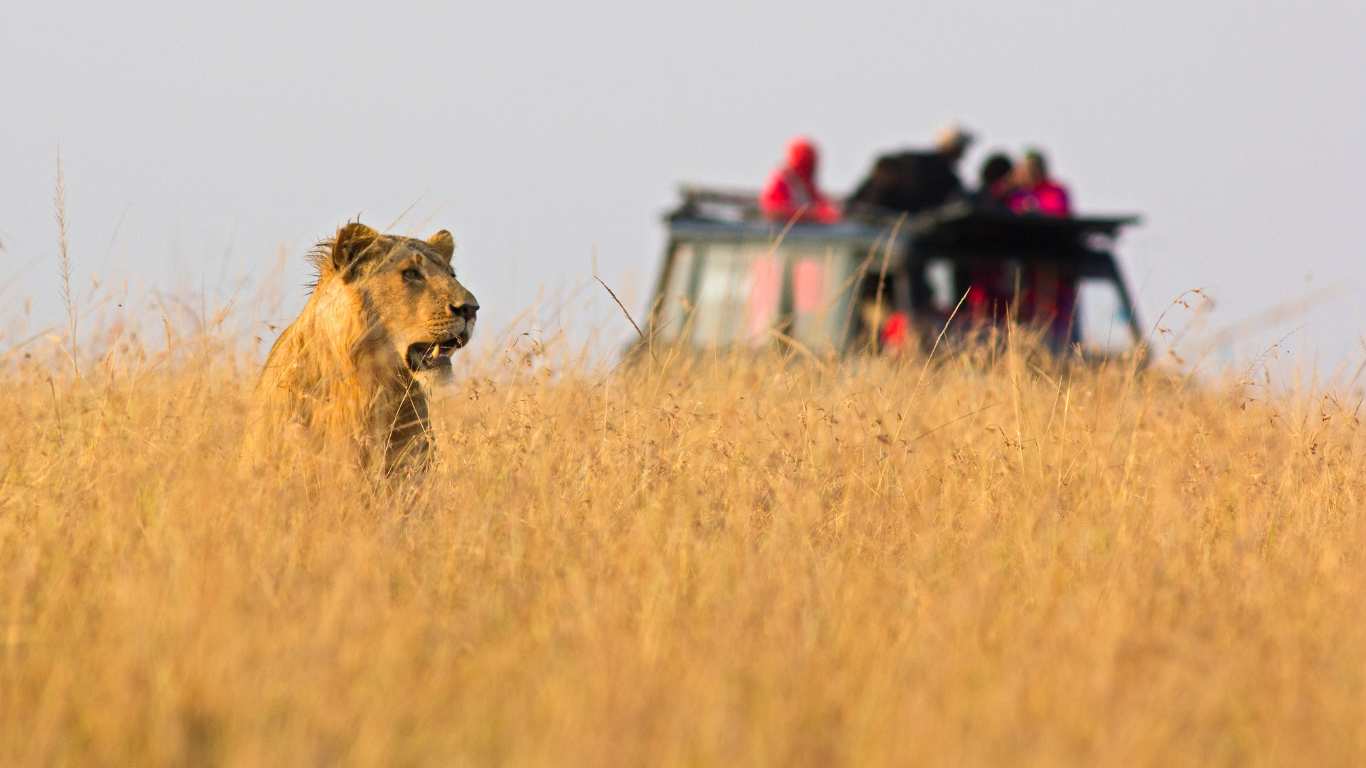
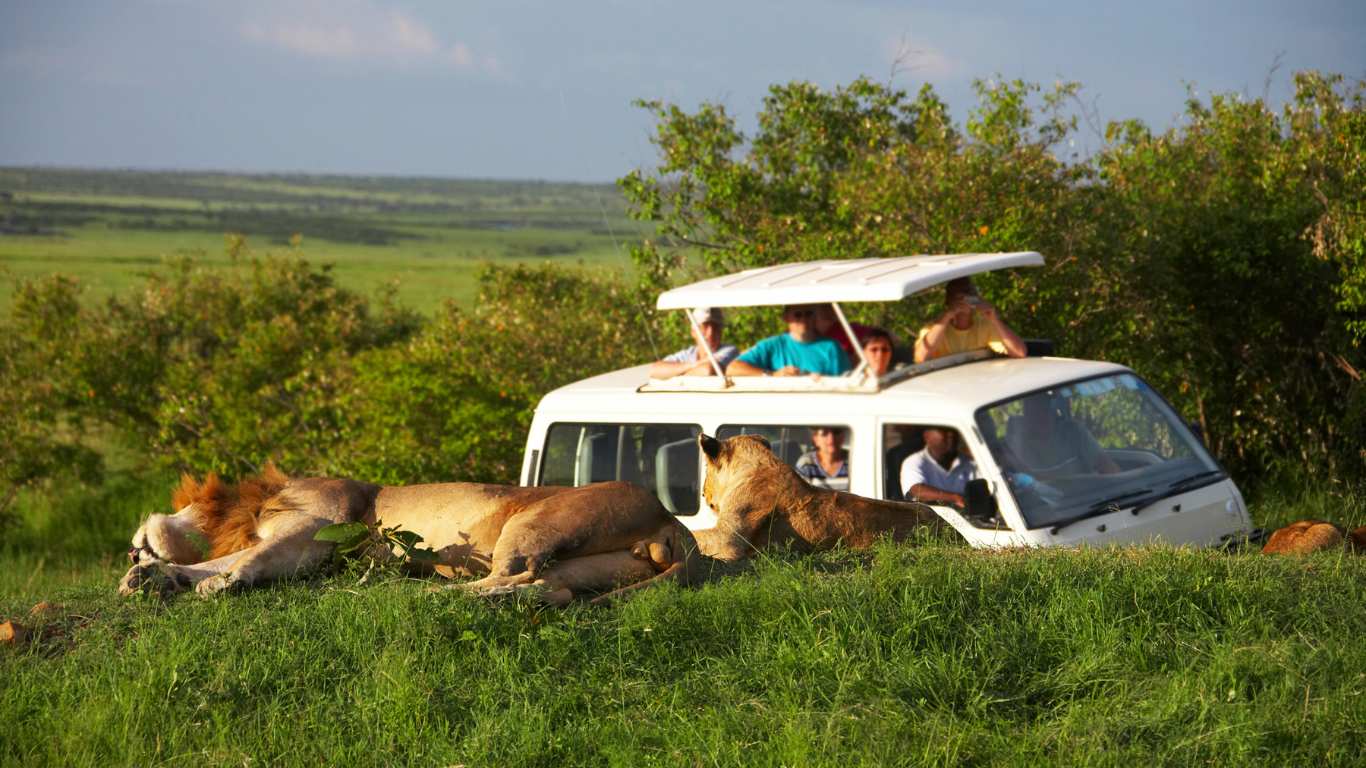
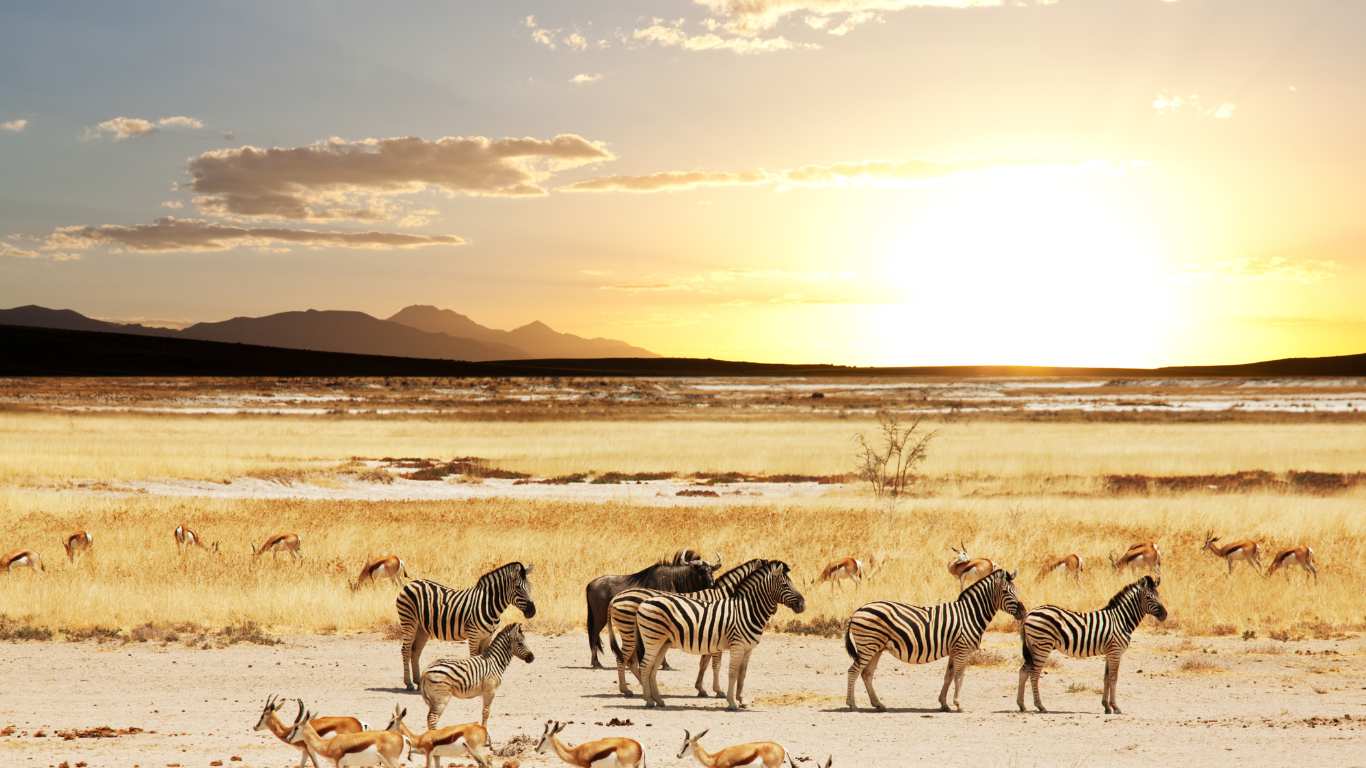
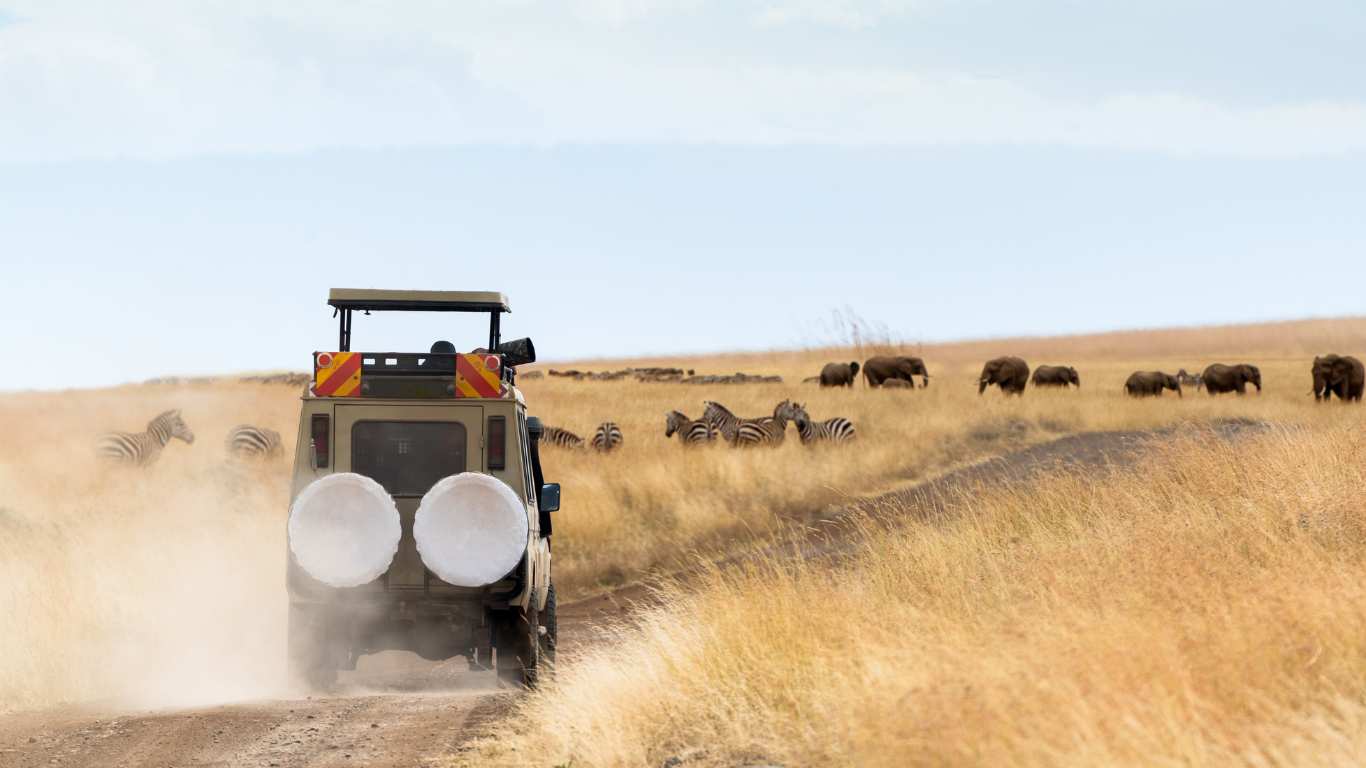
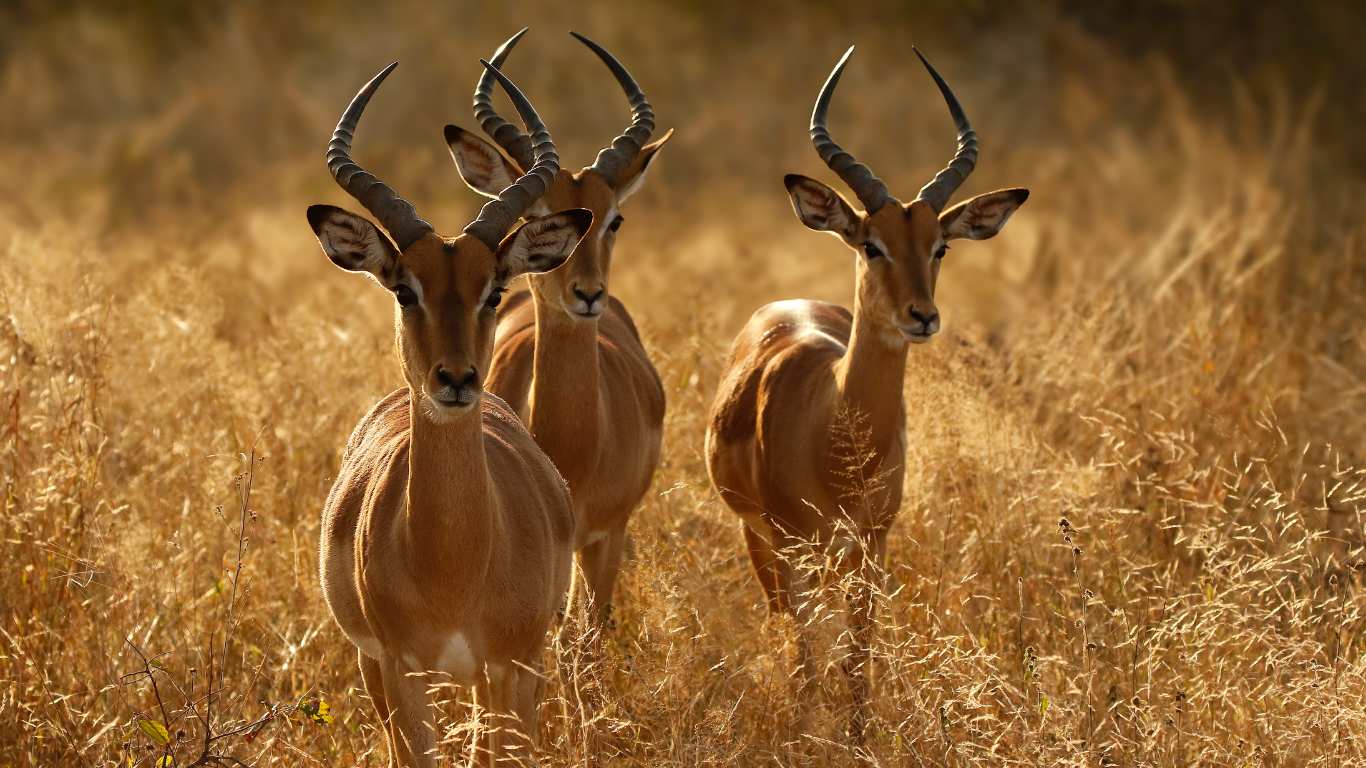
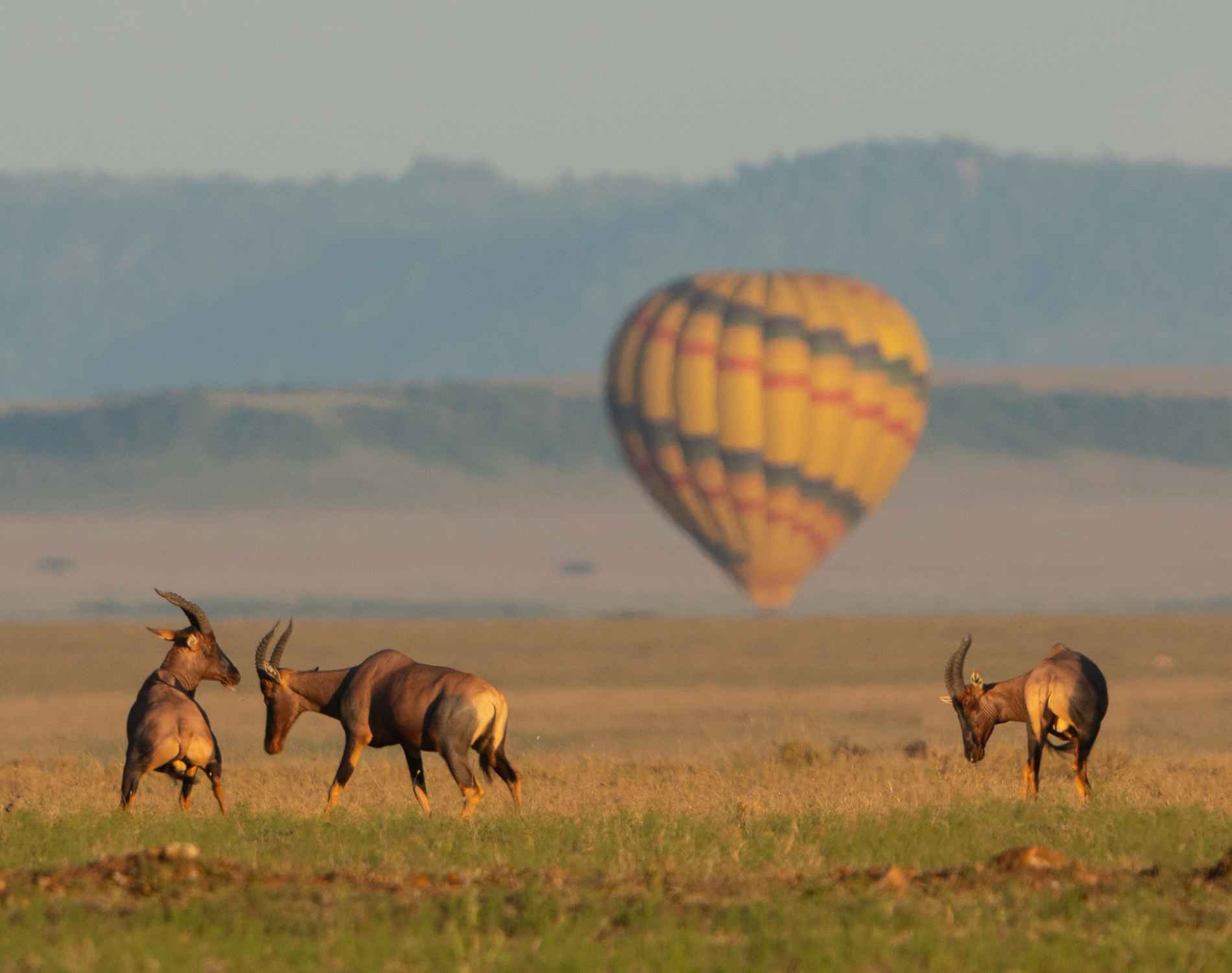
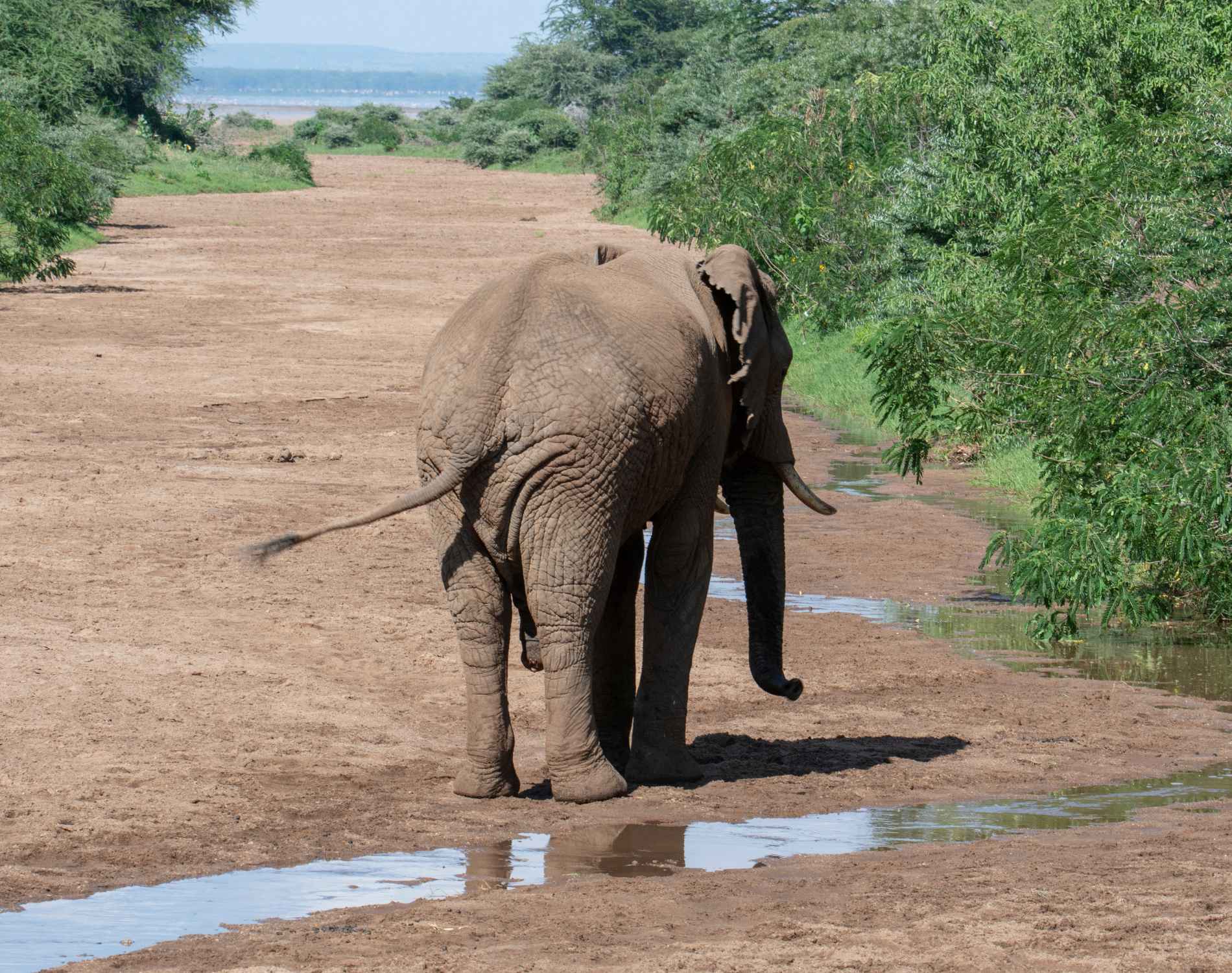
The crater is one of the best places in Tanzania to see lions, elephants, buffaloes, zebras, wildebeest, hippos, and birdlife, as well as one of the few remaining habitats of the endangered black rhino.
Landscape and Ecosystem
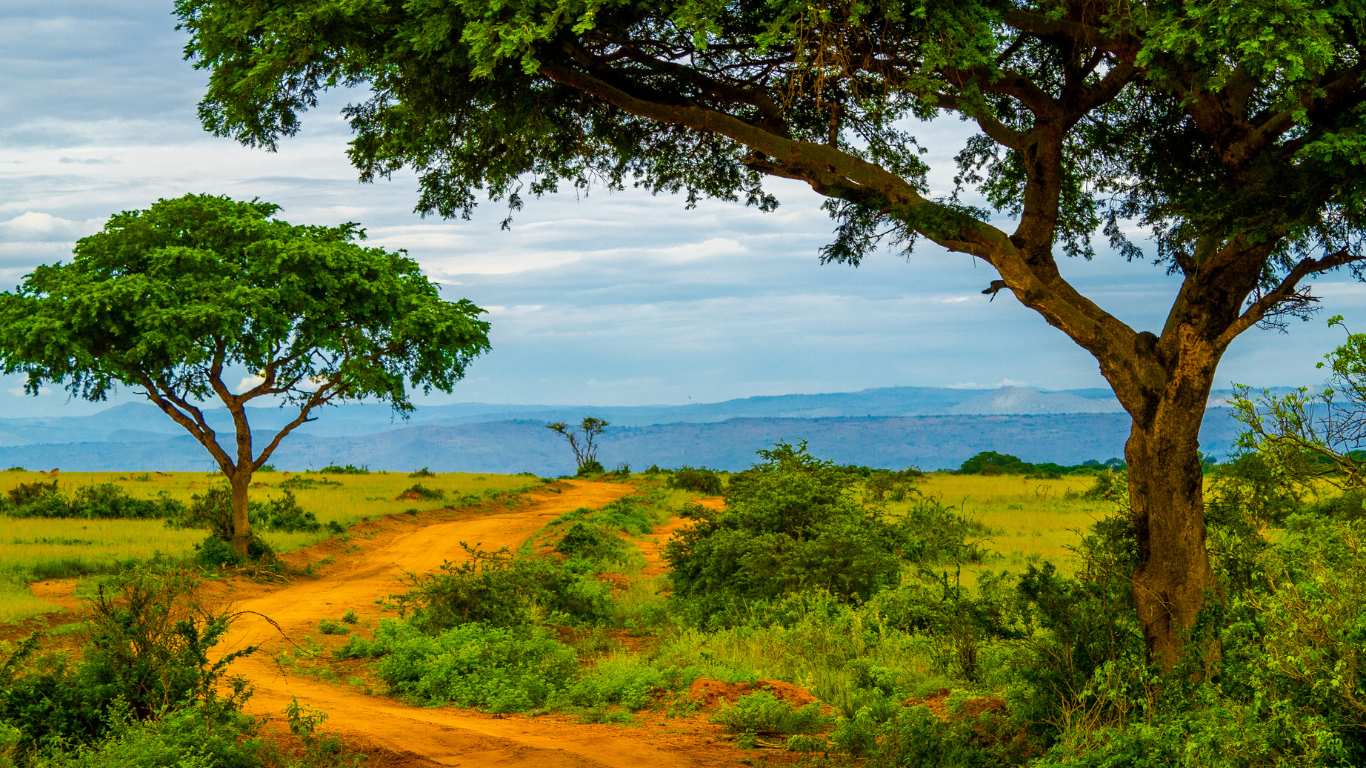
The crater floor spans grasslands, wetlands, forests, and a shallow soda lake, all enclosed by dramatic crater walls rising more than 600 meters high. This natural enclosure creates a stable environment where wildlife thrives year-round.
The contrast between the lush crater floor and the surrounding highlands makes the descent into Ngorongoro one of the most scenic moments on a Tanzania safari.
Safari Experience in the Crater
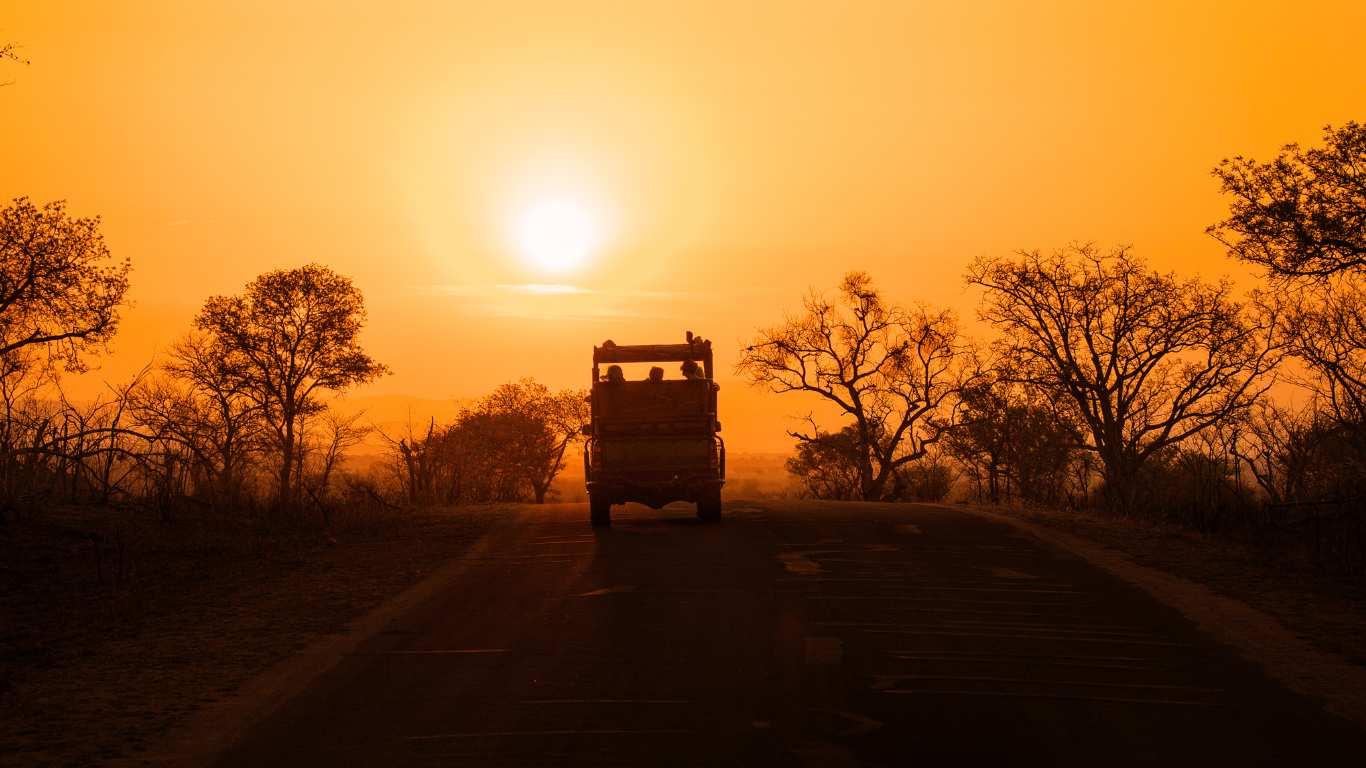
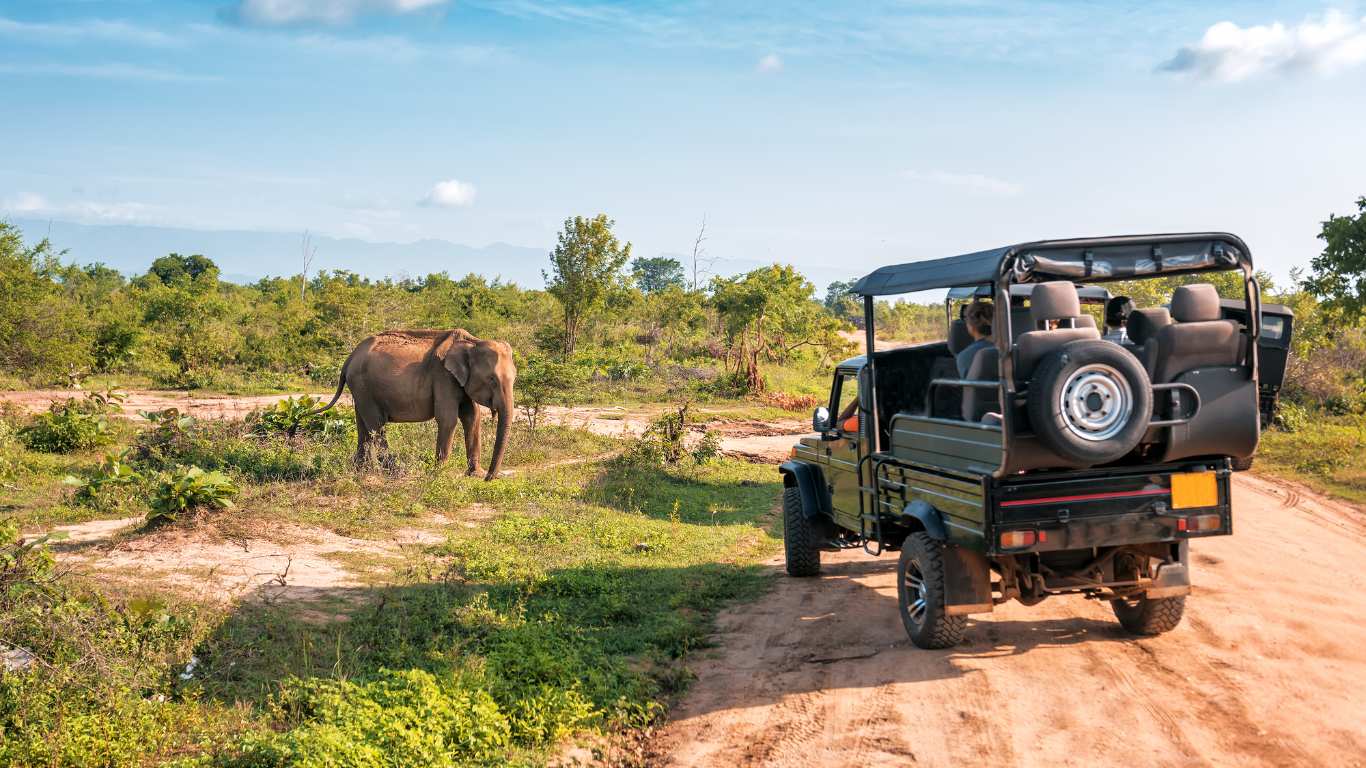
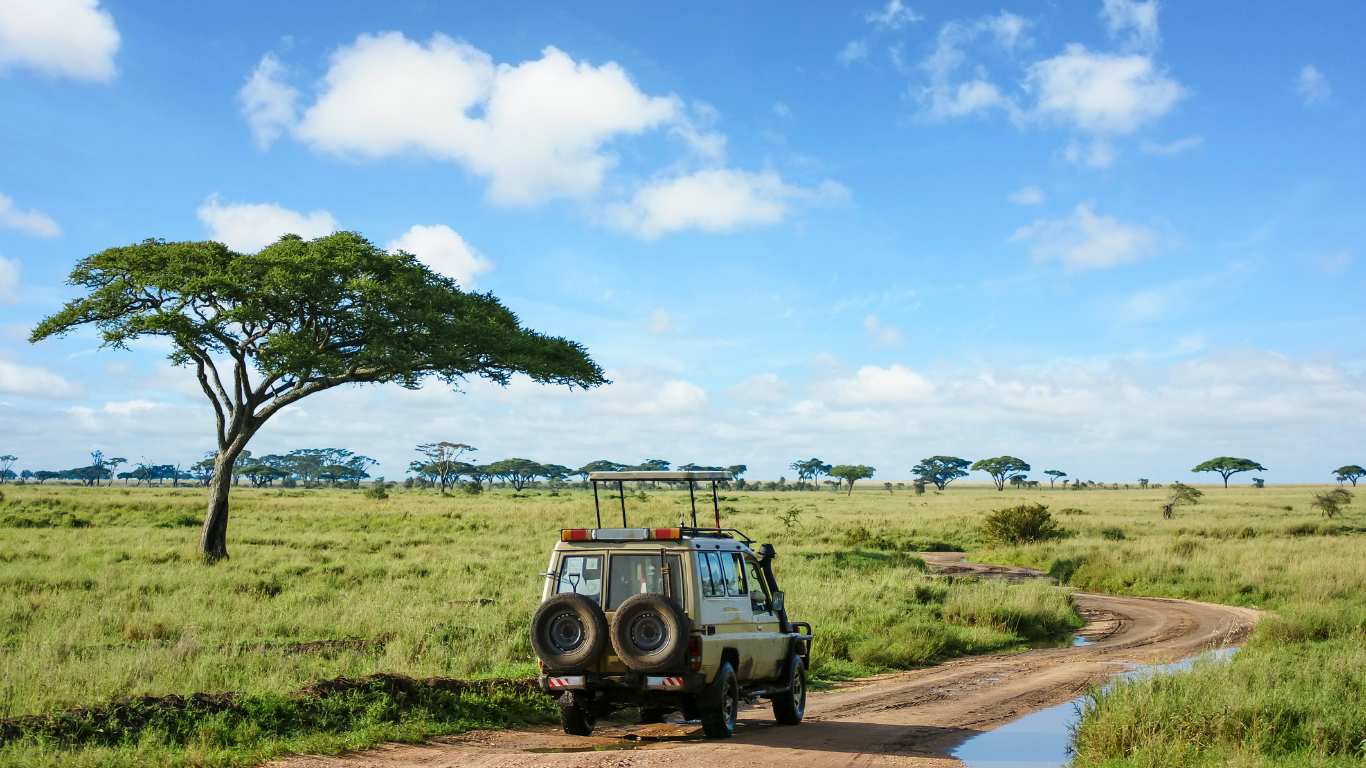
Game drives in Ngorongoro Crater are typically conducted as half-day or full-day experiences. Vehicles descend early in the morning and explore the crater floor before ascending later in the day.
This structure allows for excellent wildlife viewing in a short time frame, making Ngorongoro ideal for travelers with limited safari days or those combining multiple parks in one itinerary.
Best Time to Visit Ngorongoro Crater
Ngorongoro Crater can be visited throughout the year.
The dry season from June to October offers clear skies and excellent visibility, while the greener months from November to May bring lush landscapes, fewer crowds, and excellent birdlife. Wildlife viewing remains strong in all seasons due to the crater’s permanent water sources.
Who Ngorongoro Is Ideal For
Ngorongoro Crater is well suited for:
First-time safari travelers
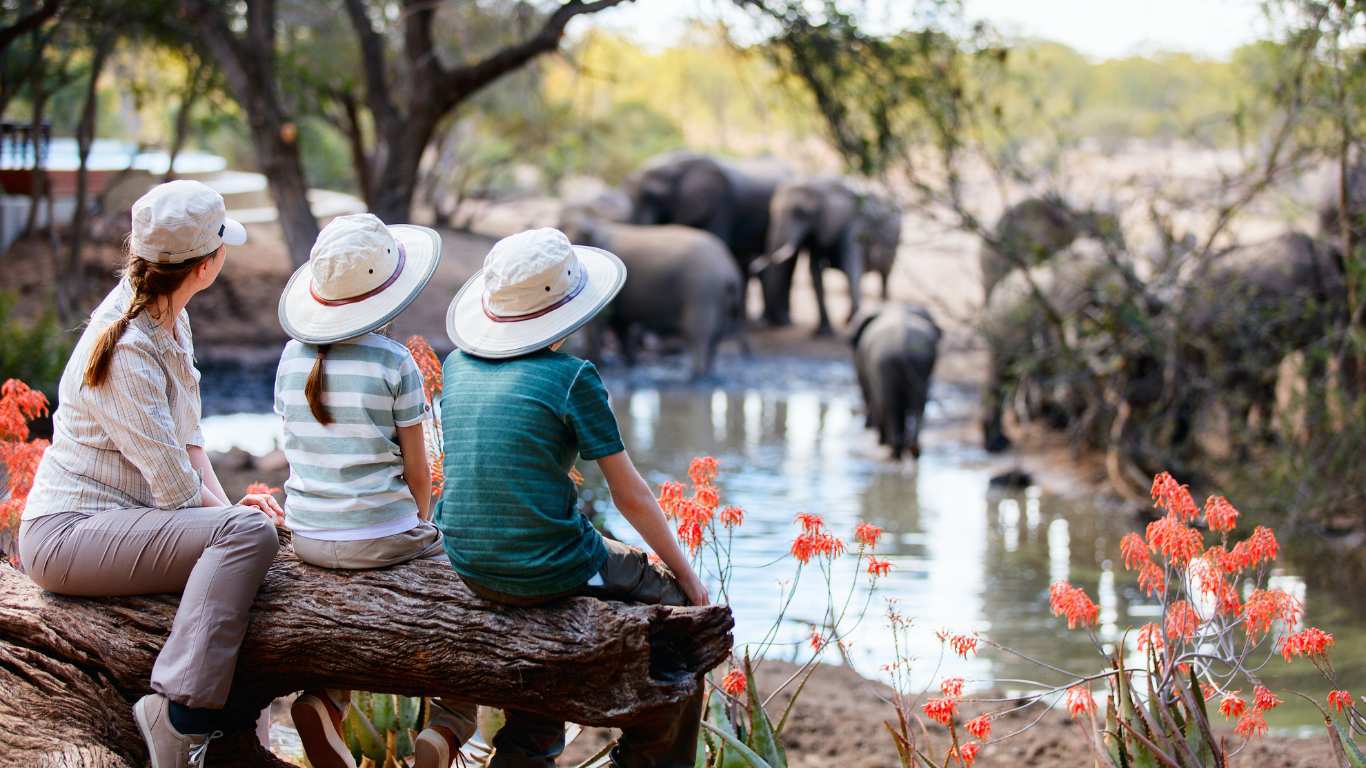
Families and senior travelers
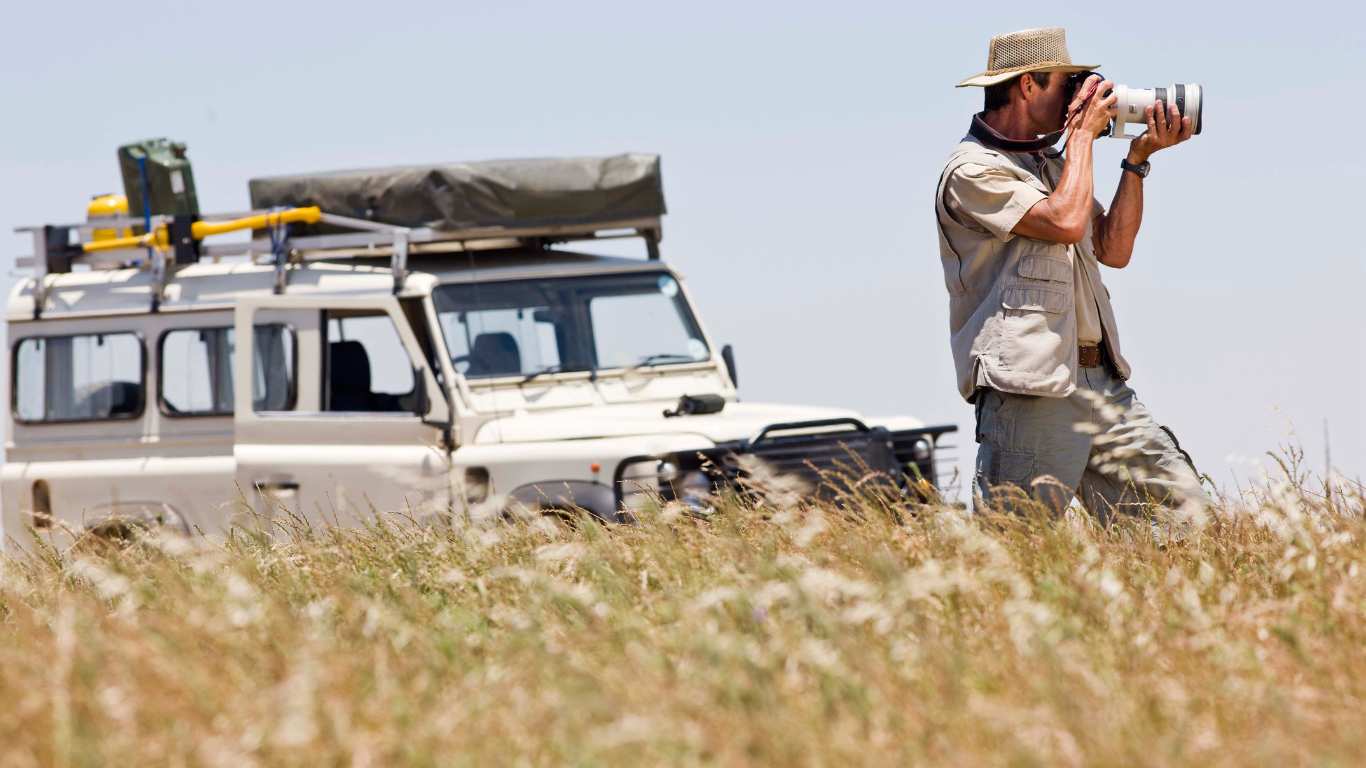
Wildlife photographers
Visitors with limited time
Travelers hoping to see the Big Five
How Ngorongoro Fits Into a Tanzania Safari
Ngorongoro Crater is a key part of Tanzania’s northern safari circuit and is commonly combined with Serengeti National Park, Tarangire National Park, and Lake Manyara.
It fits seamlessly into both short safaris and longer, in-depth Tanzania itineraries.
Why Ngorongoro Crater Is a Must-Visit Destination
Few places on earth offer such intense wildlife encounters within such dramatic natural surroundings. The combination of geology, scenery, and year-round wildlife makes Ngorongoro Crater one of the most iconic safari destinations in Africa.