



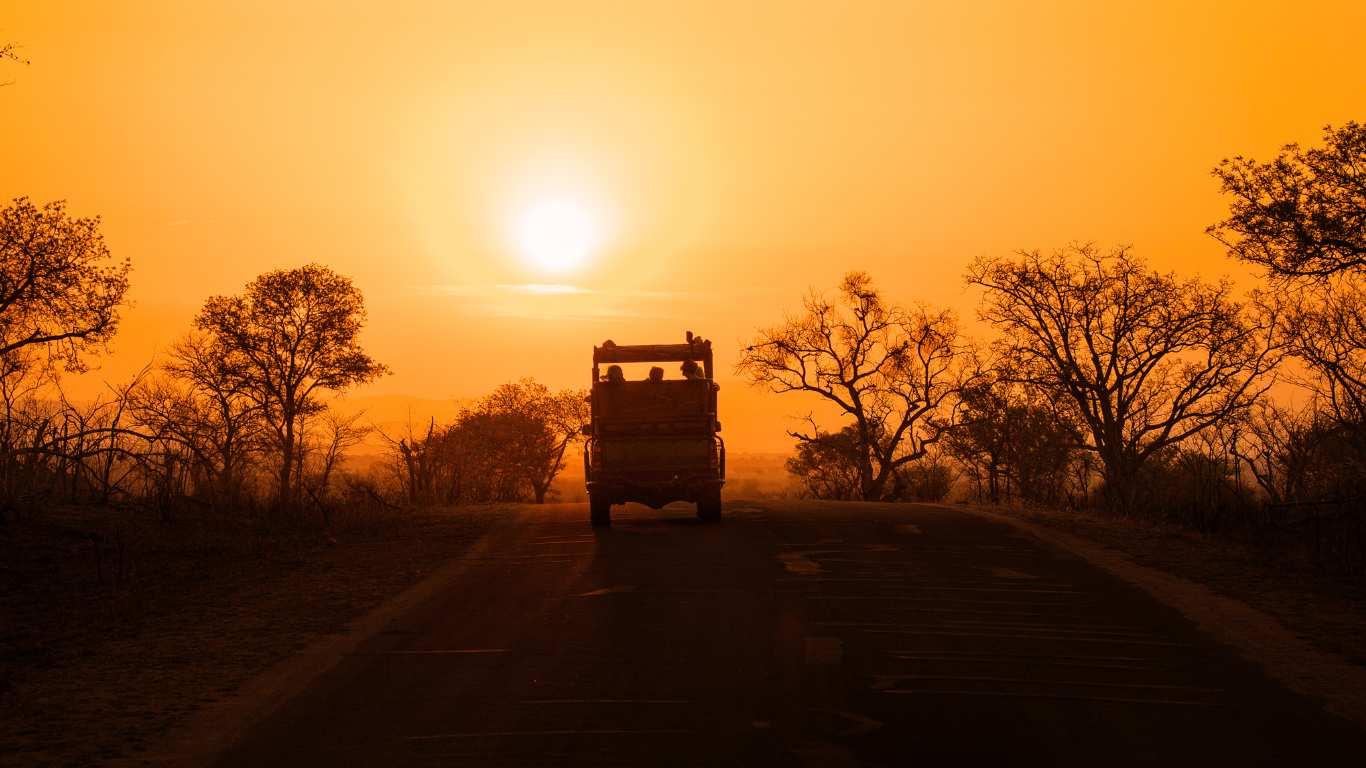
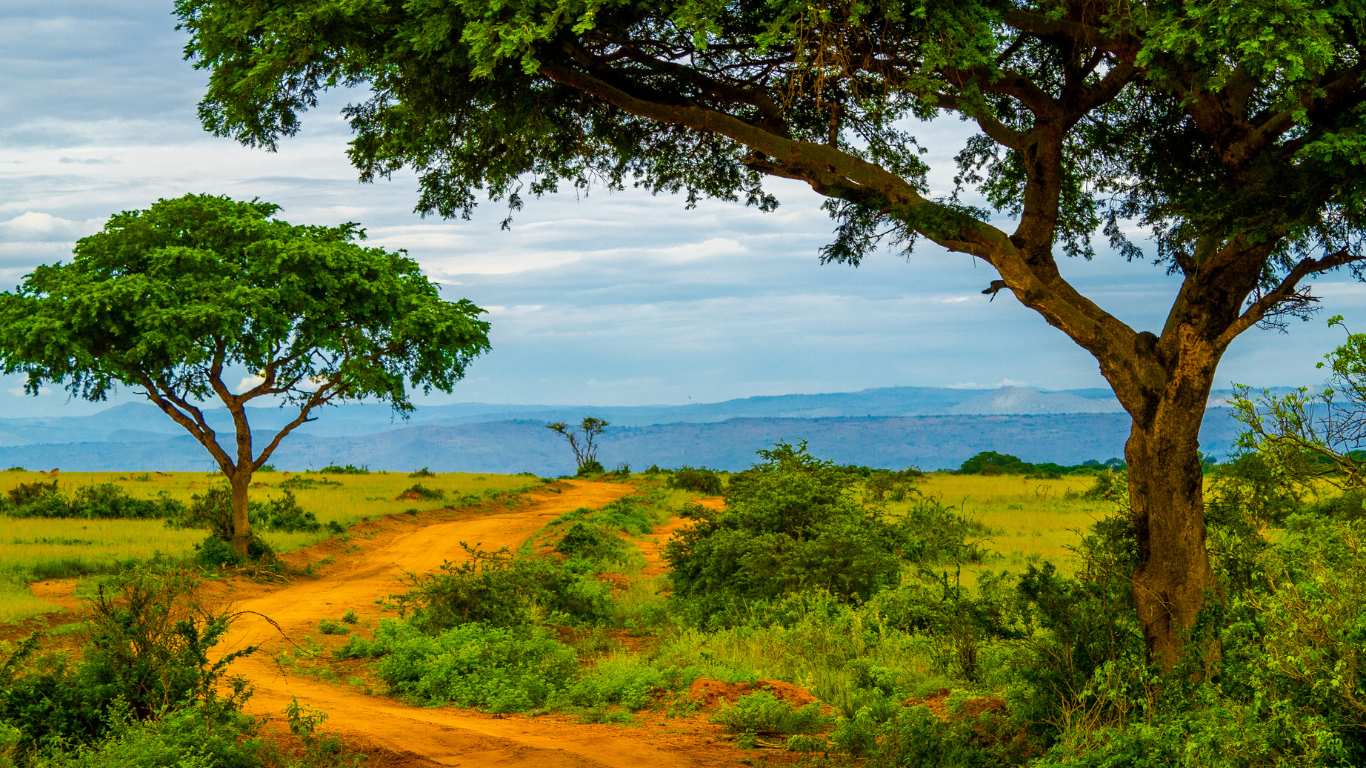


Tanzania is one of Africa’s most rewarding safari destinations, offering vast wilderness areas, exceptional wildlife density, and some of the continent’s most iconic landscapes. From endless savannahs to volcanic craters and ancient river systems, Tanzania safaris combine diversity, scale, and authenticity.
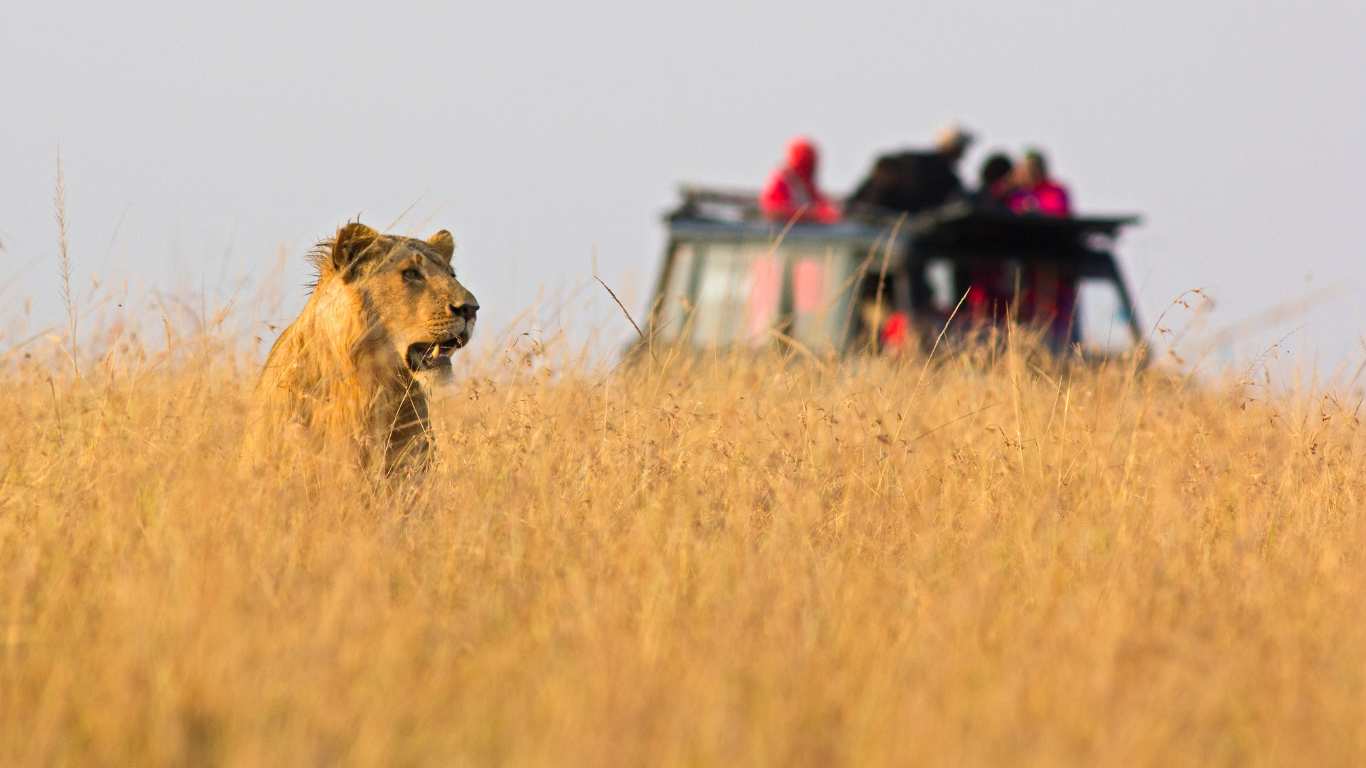
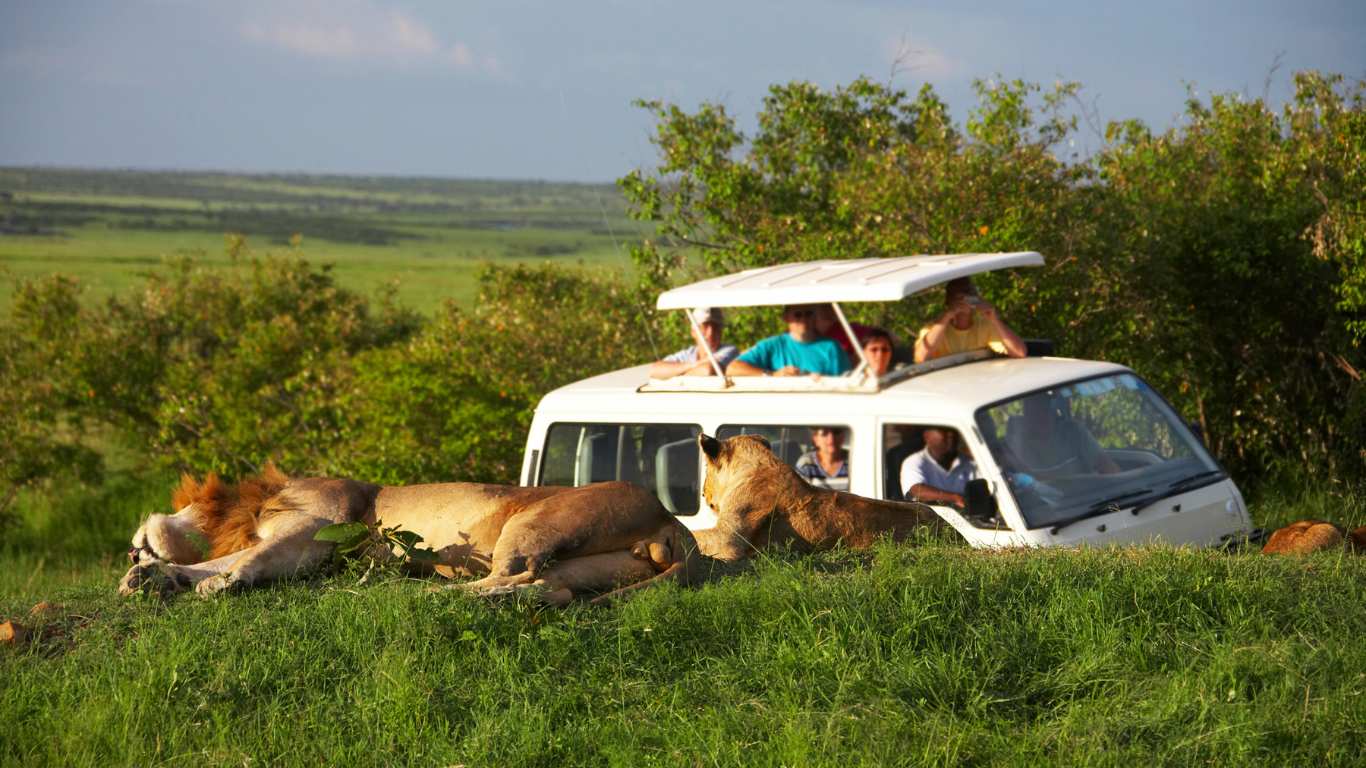
Safaris here focus on natural wildlife movement rather than staged experiences. Game drives take place in protected national parks and conservation areas, guided by experienced professionals who understand animal behavior, seasonal patterns, and terrain.
What Makes a Tanzania Safari Unique

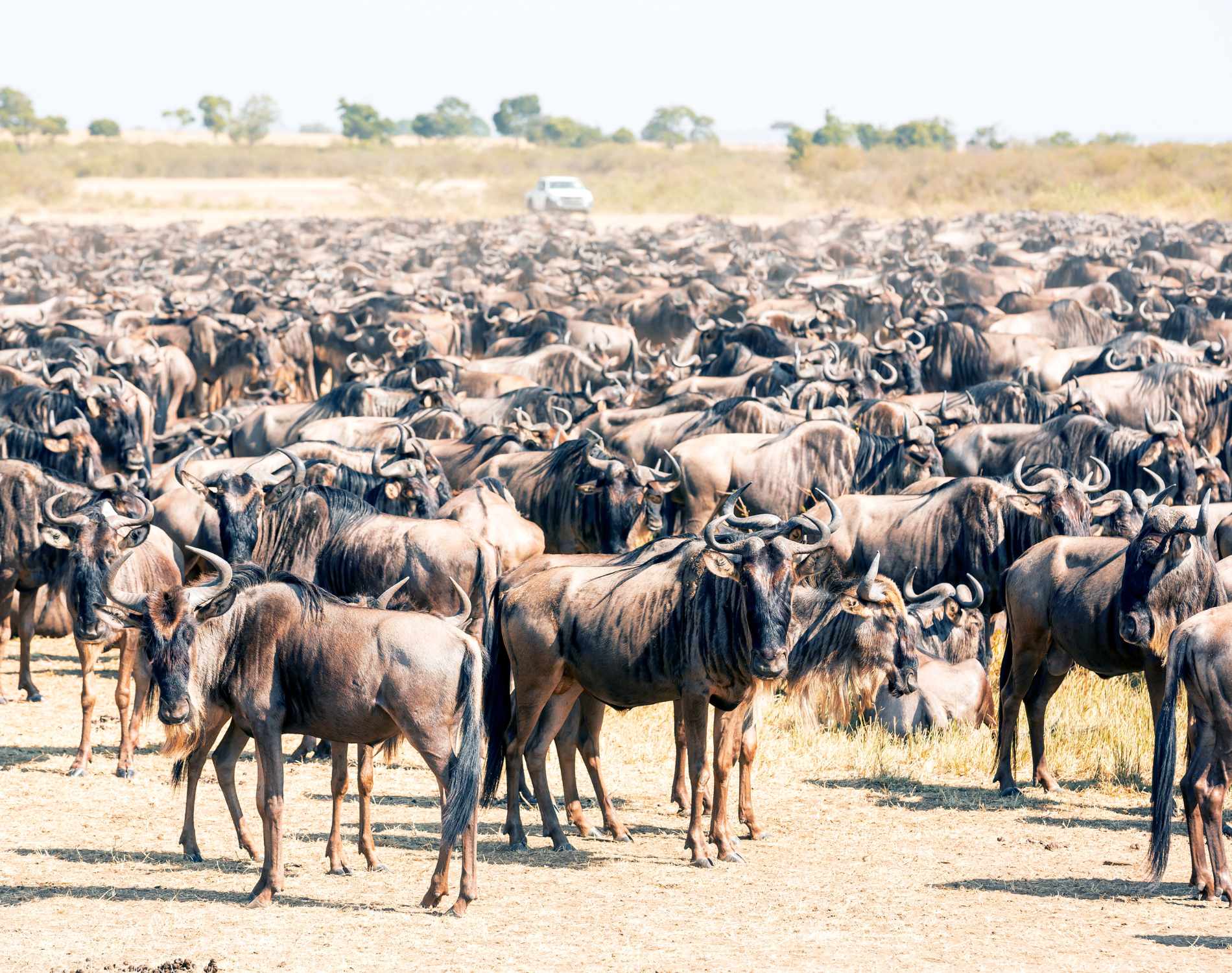
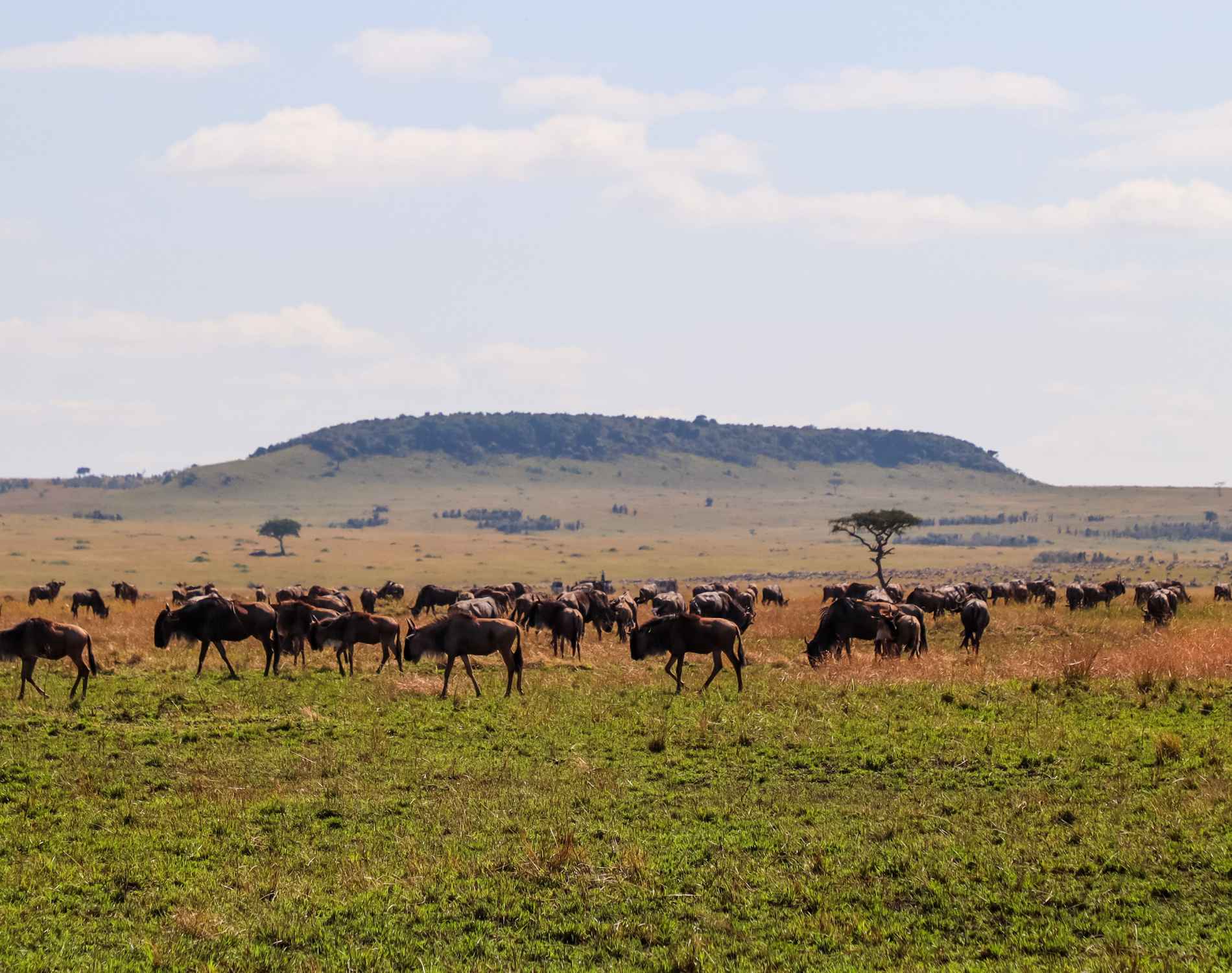
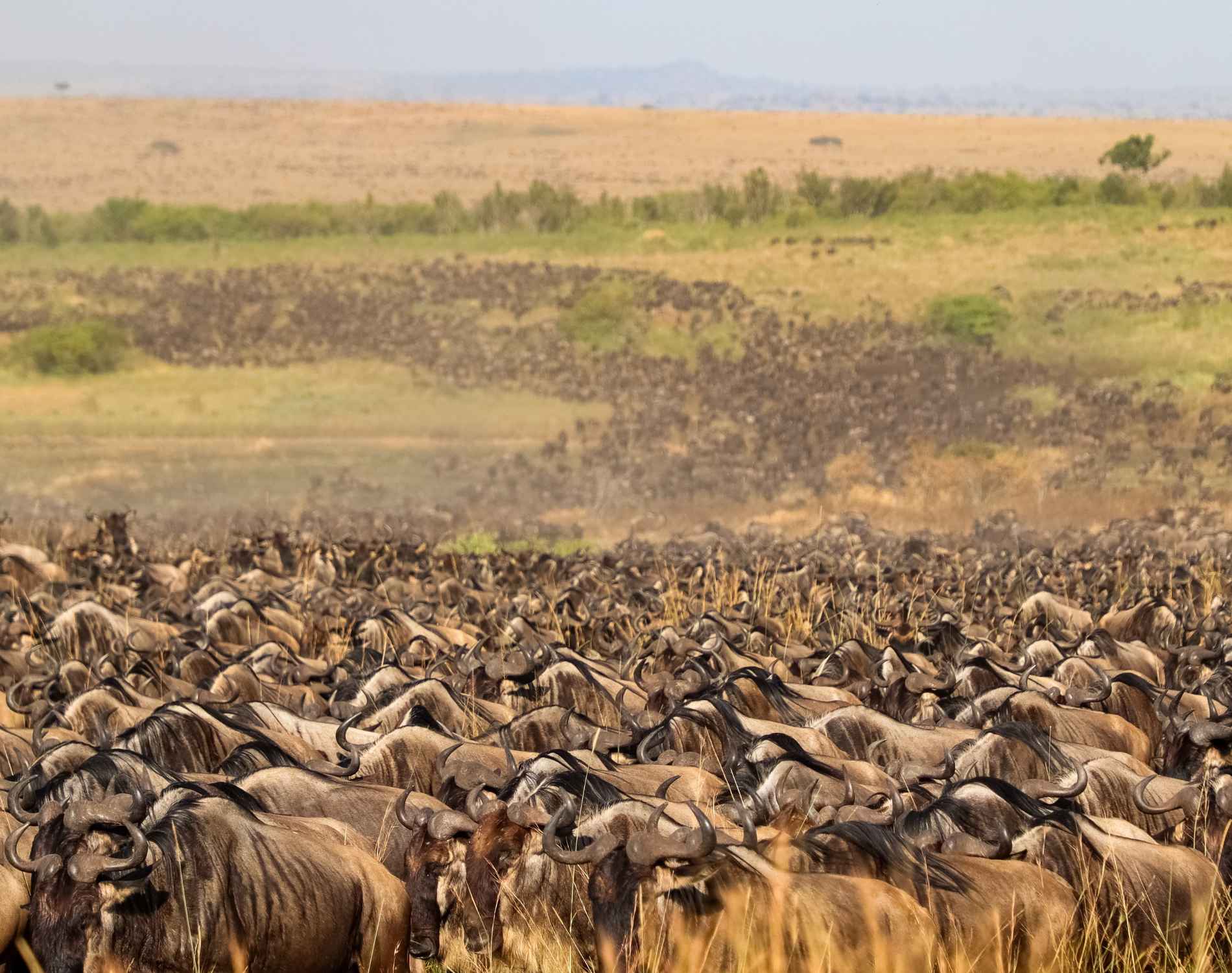
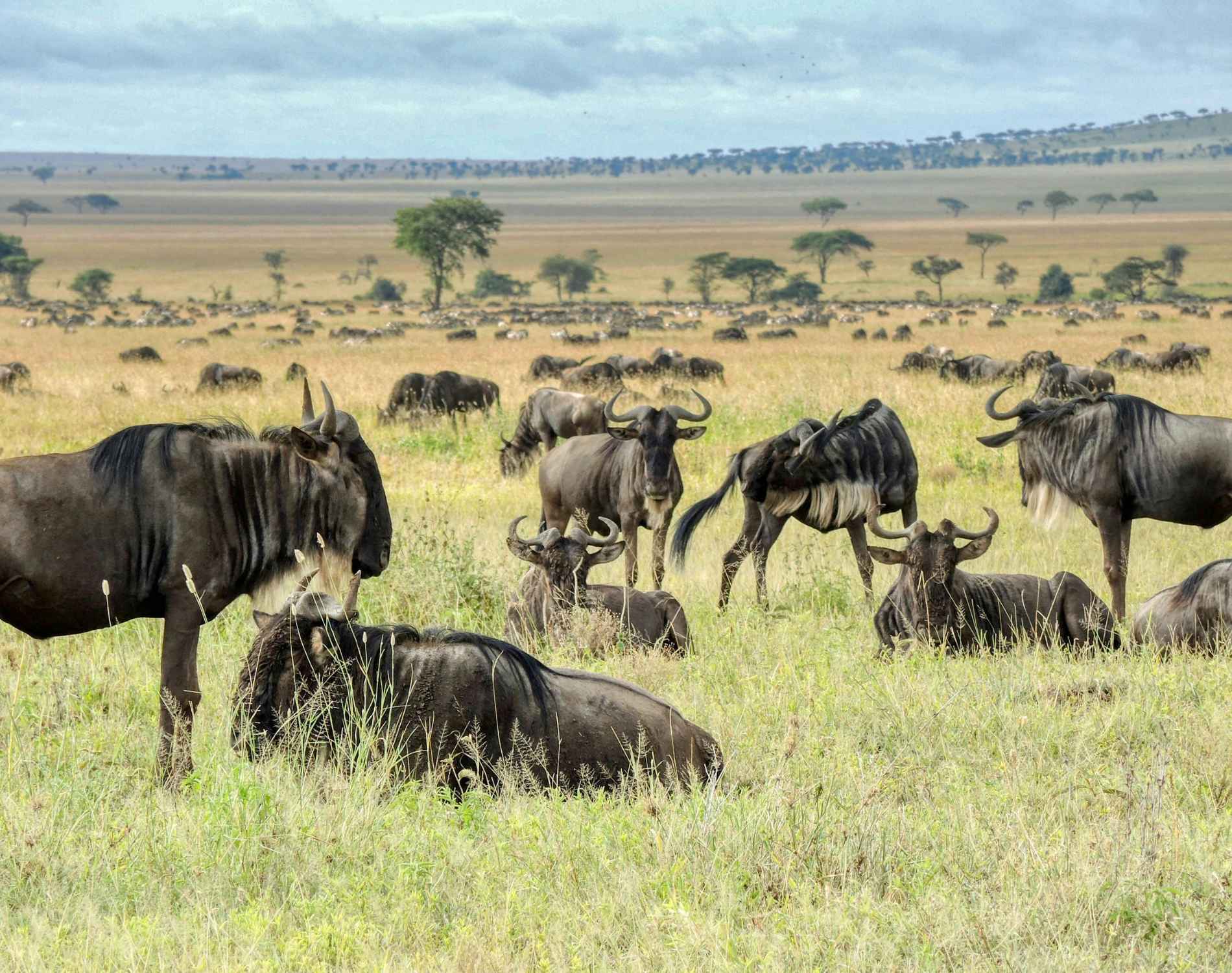
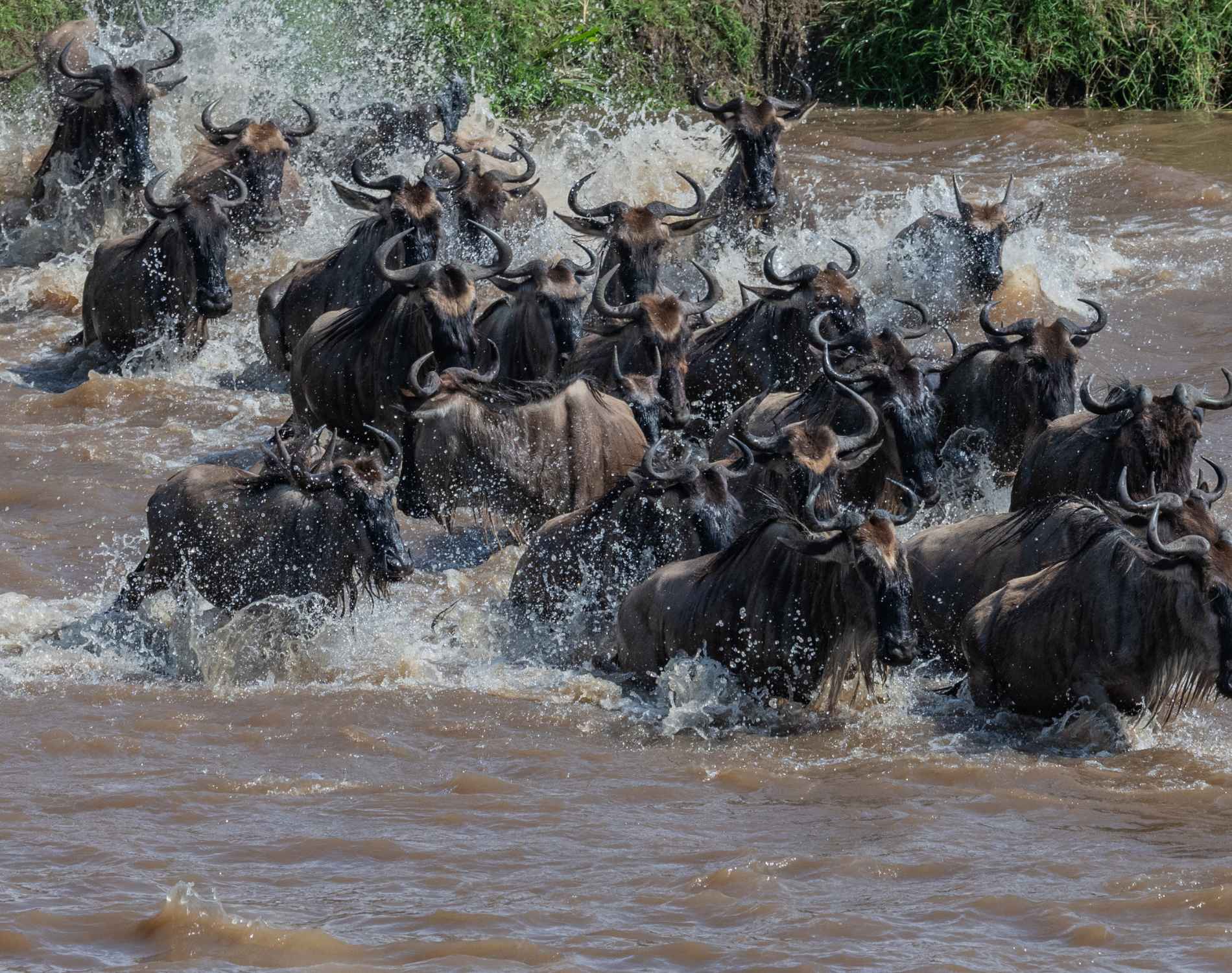
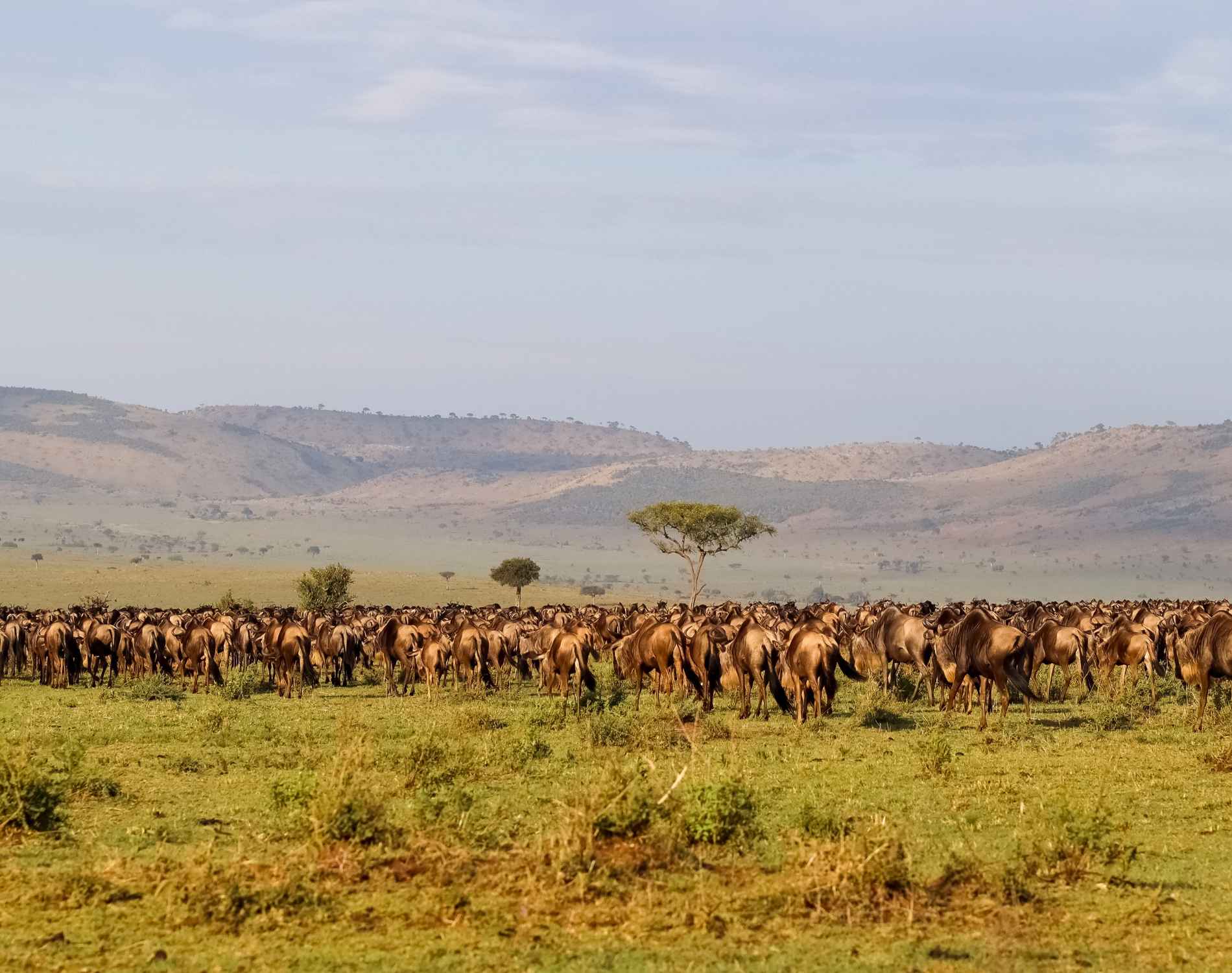
Home to the Great Wildebeest Migration, the largest land animal movement on Earth
Exceptional chances to see the Big Five across multiple parks
Large, unfenced ecosystems where wildlife moves naturally
Strong conservation standards and protected habitats
A wide range of safari styles, from short wildlife trips to extended journeys
Tanzania safaris emphasize quality sightings over speed. Distances are longer, but landscapes are richer and less crowded than many other safari regions.
Key Safari Destinations in Tanzania

Serengeti National Park
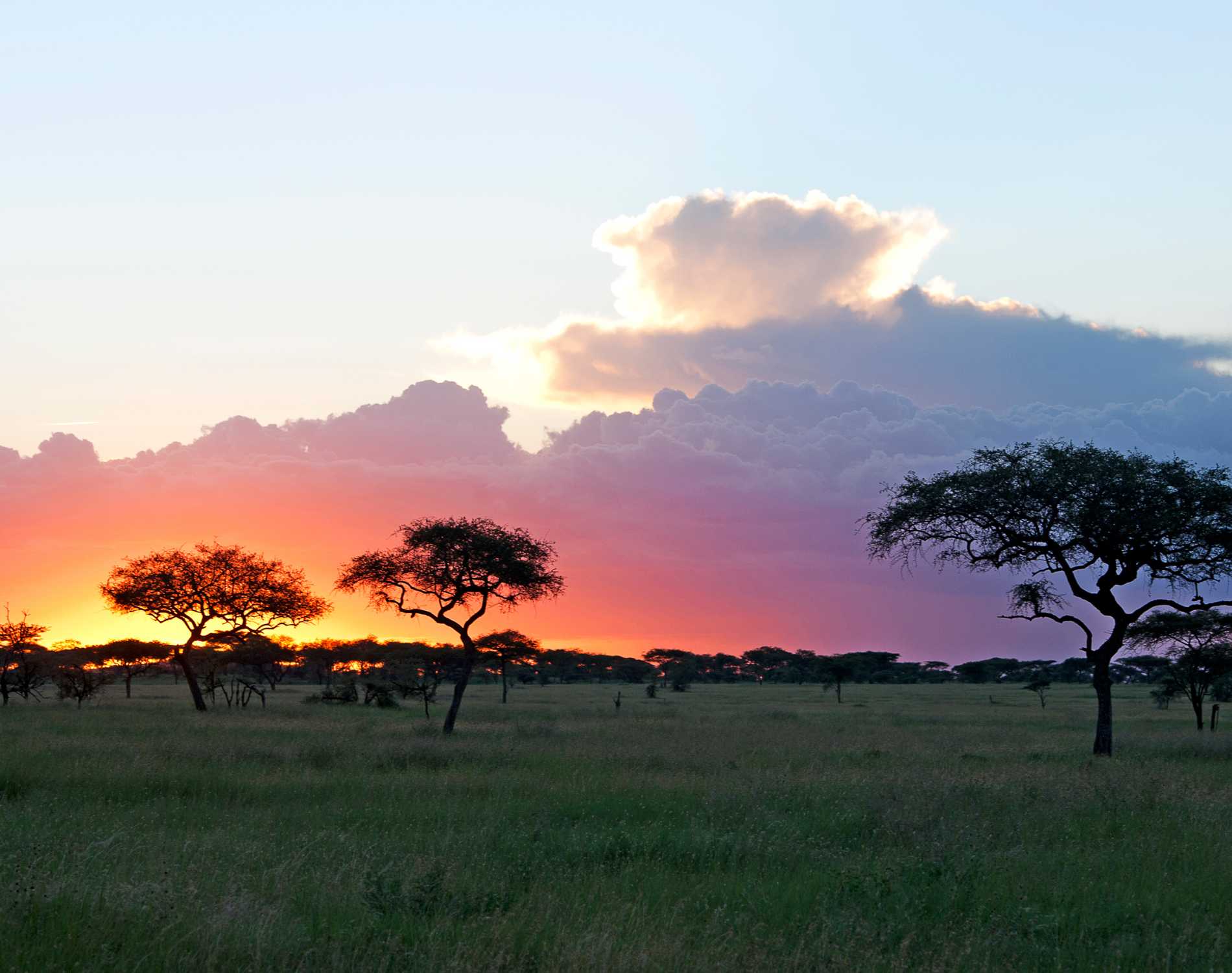
The Serengeti is known for its vast open plains and year-round wildlife. It supports large predator populations and hosts the Great Migration at different times of the year depending on the season and region.
Ngorongoro Crater
A collapsed volcanic caldera with one of the highest wildlife densities in Africa. Its enclosed ecosystem allows for excellent game viewing in a compact area, including black rhinos.
Tarangire National Park
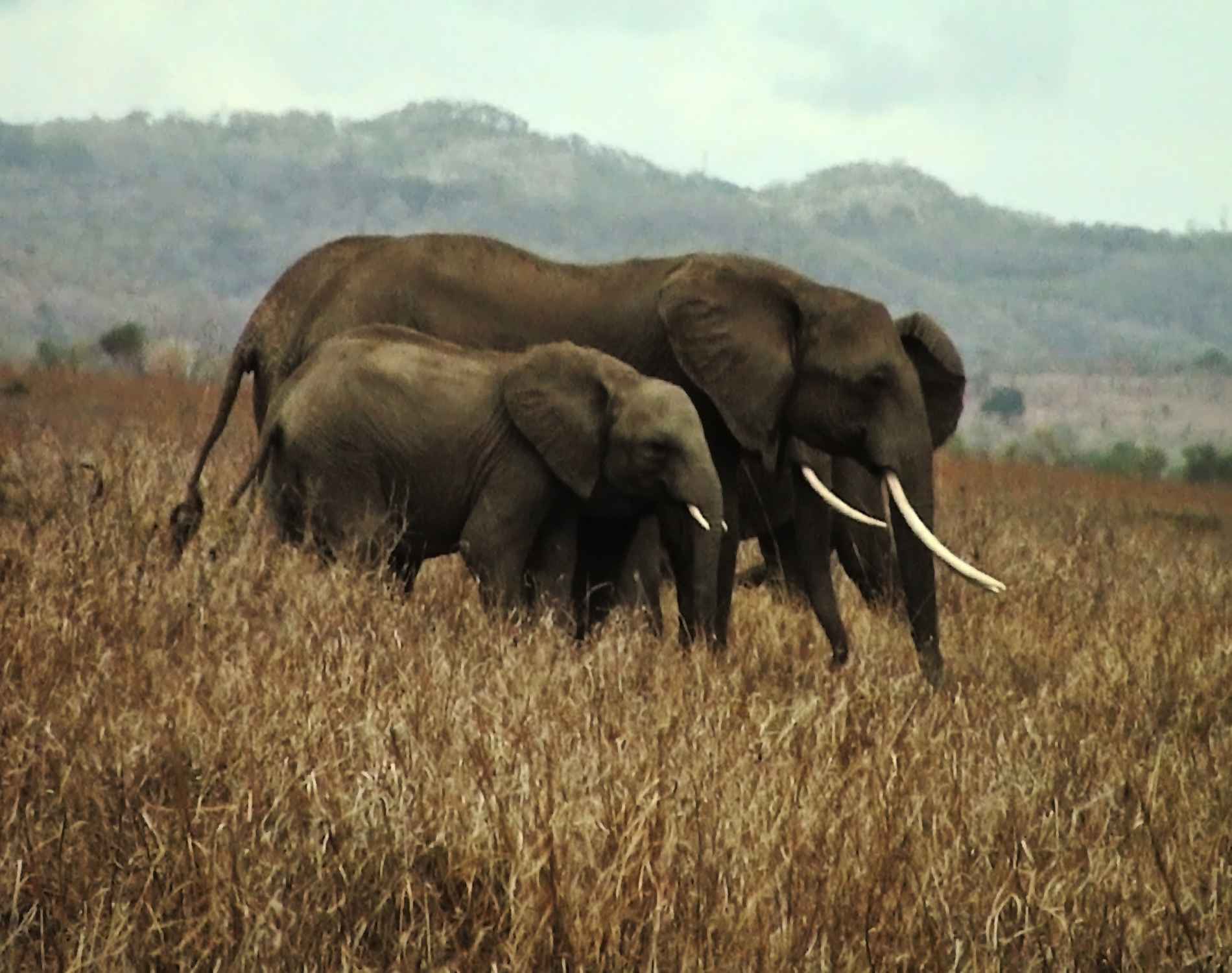
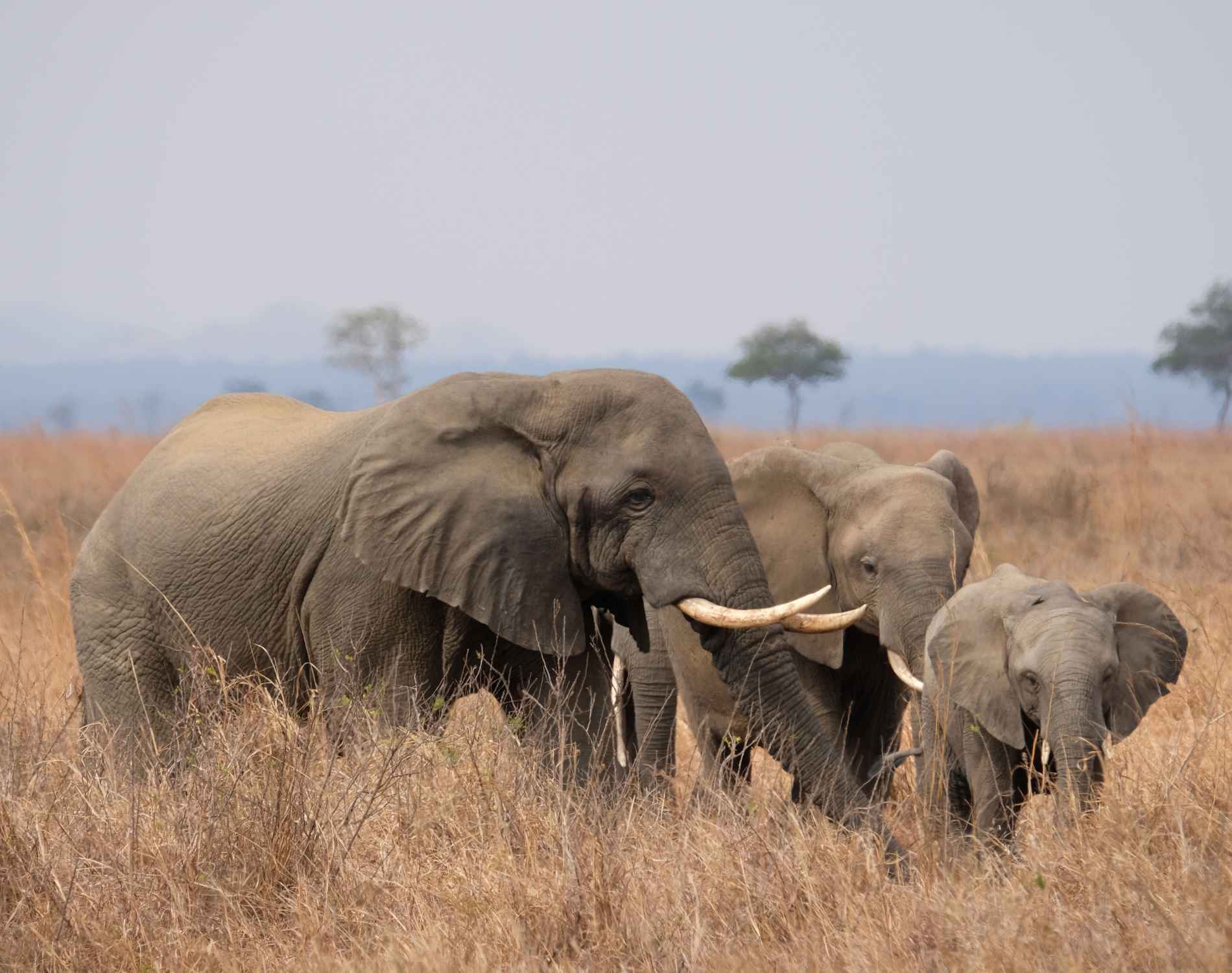
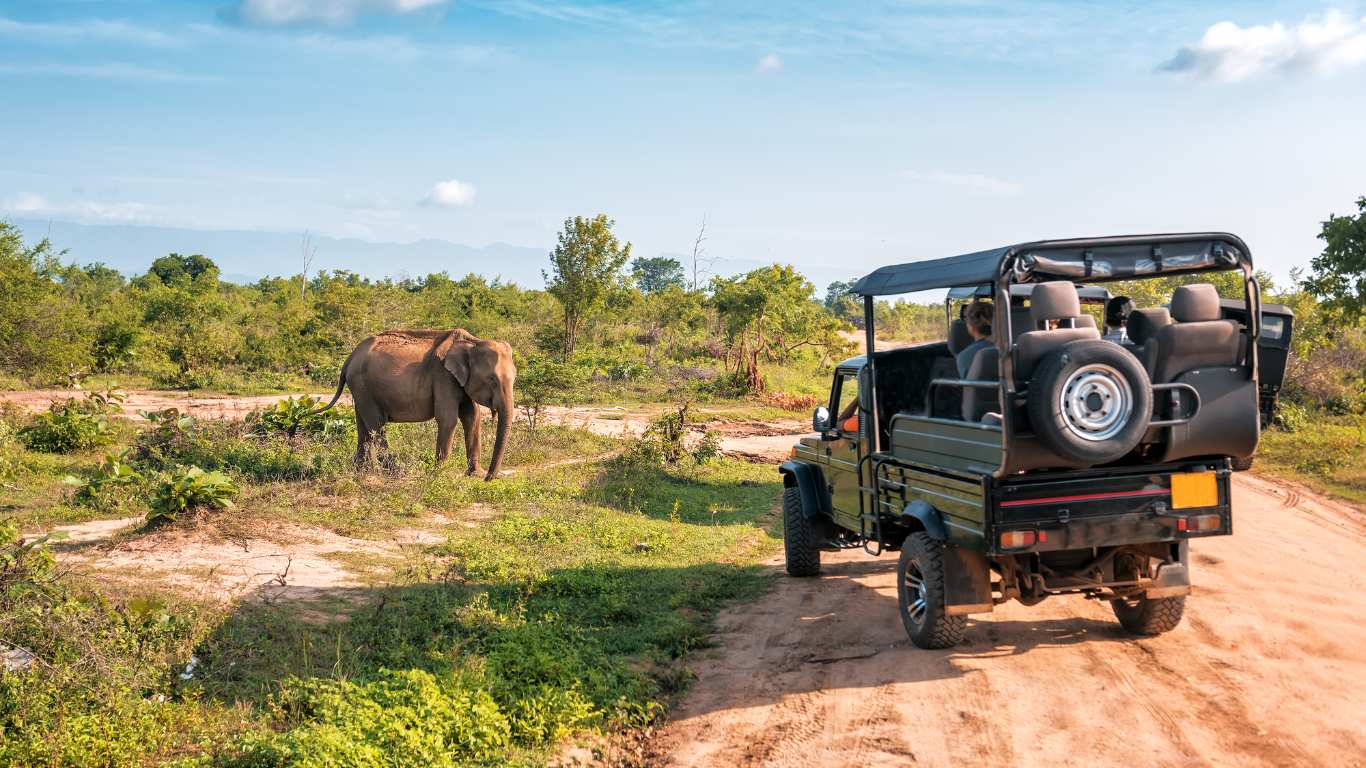
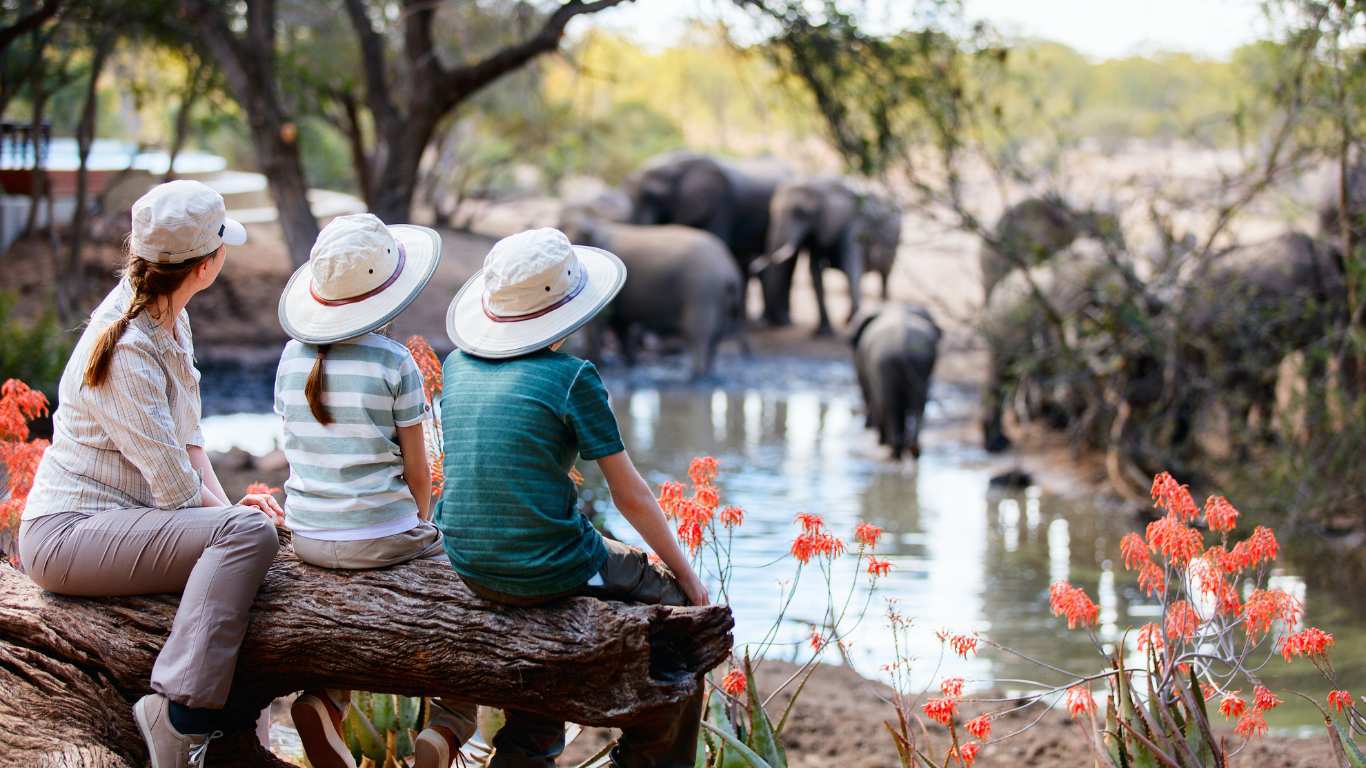
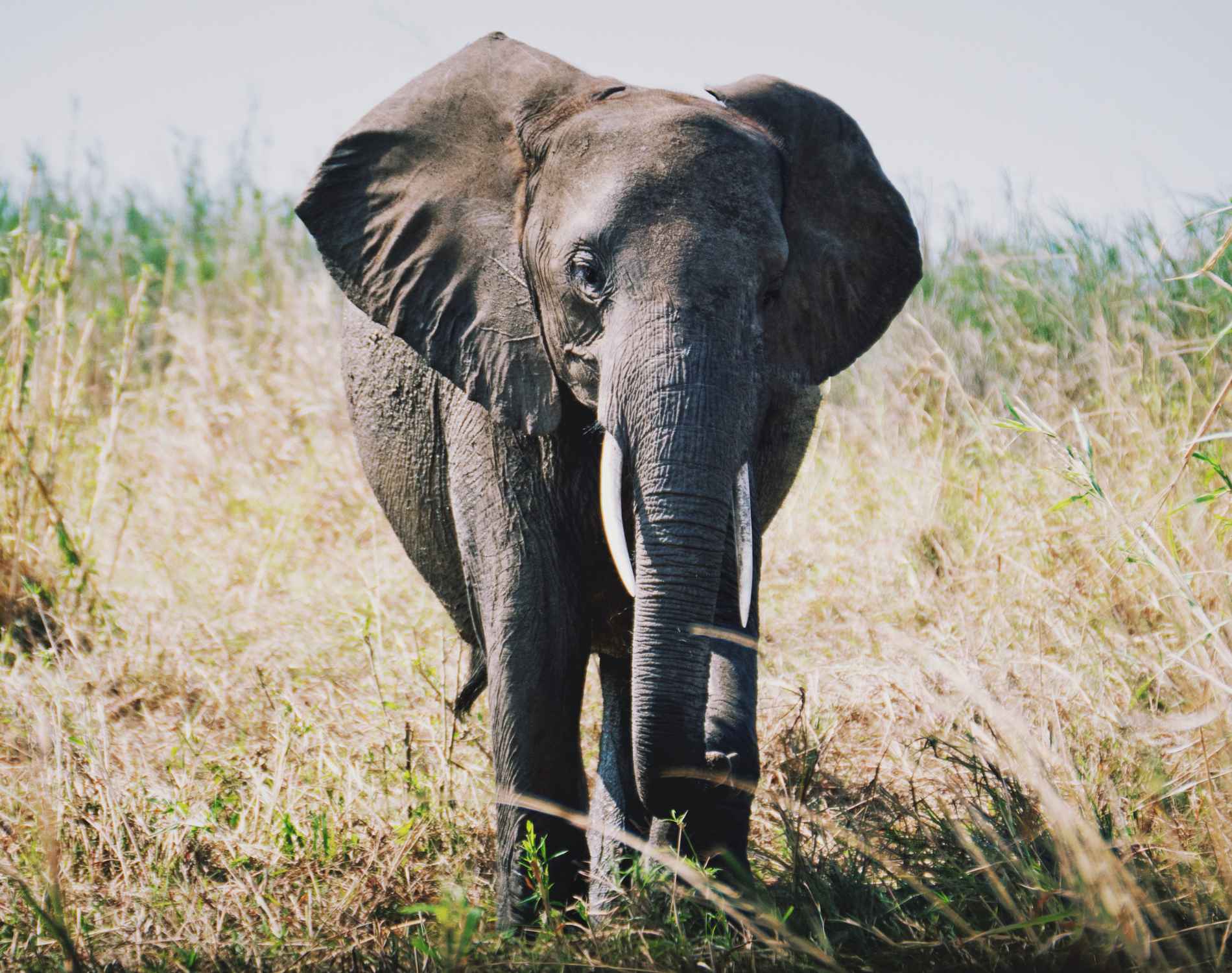
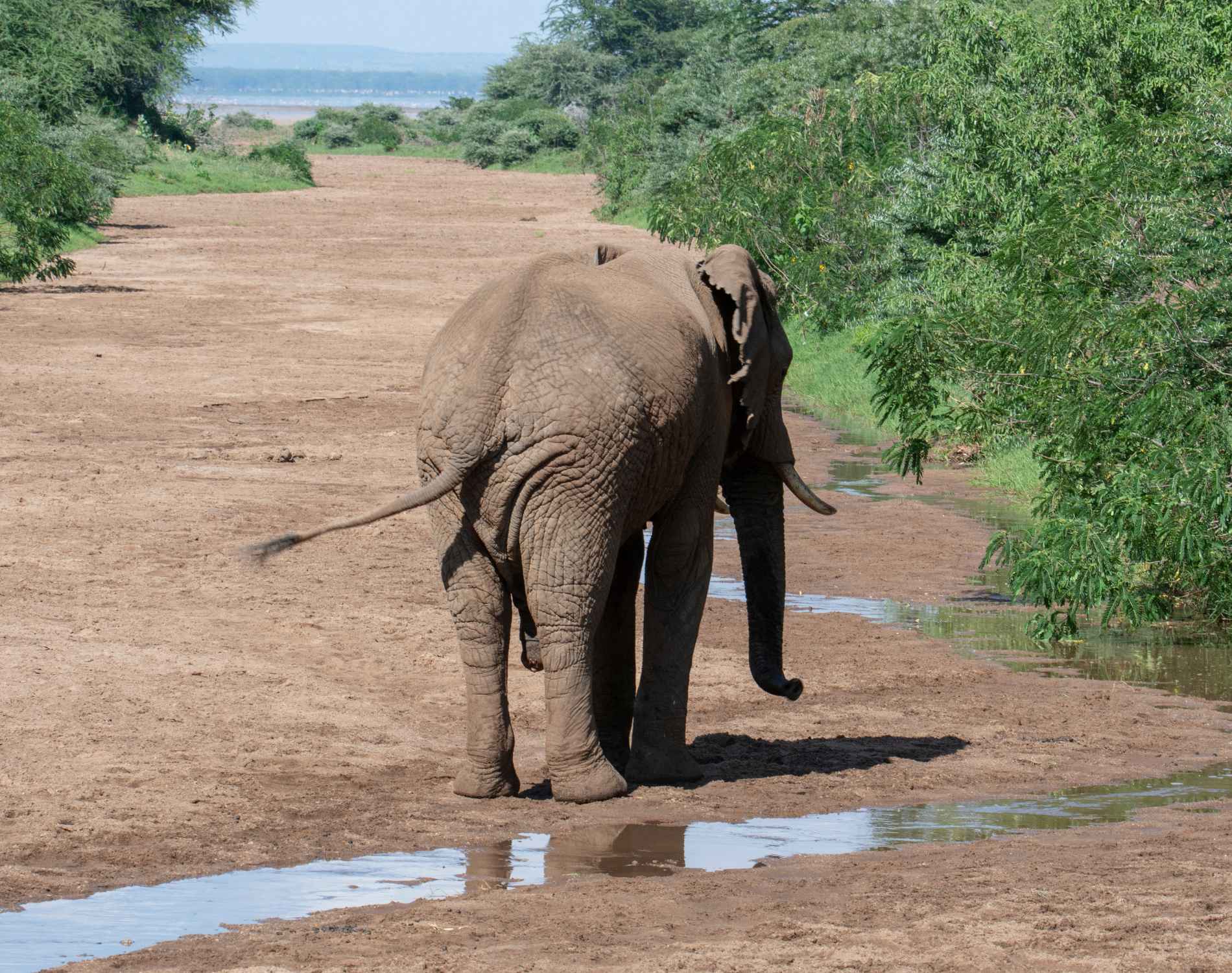
Famous for large elephant herds, ancient baobab trees, and seasonal wildlife concentrations along the Tarangire River. Less crowded and highly scenic.
Lake Manyara National Park
Known for diverse habitats including groundwater forests, open grasslands, and birdlife. A good introduction to safari landscapes.
Types of Safari Experiences
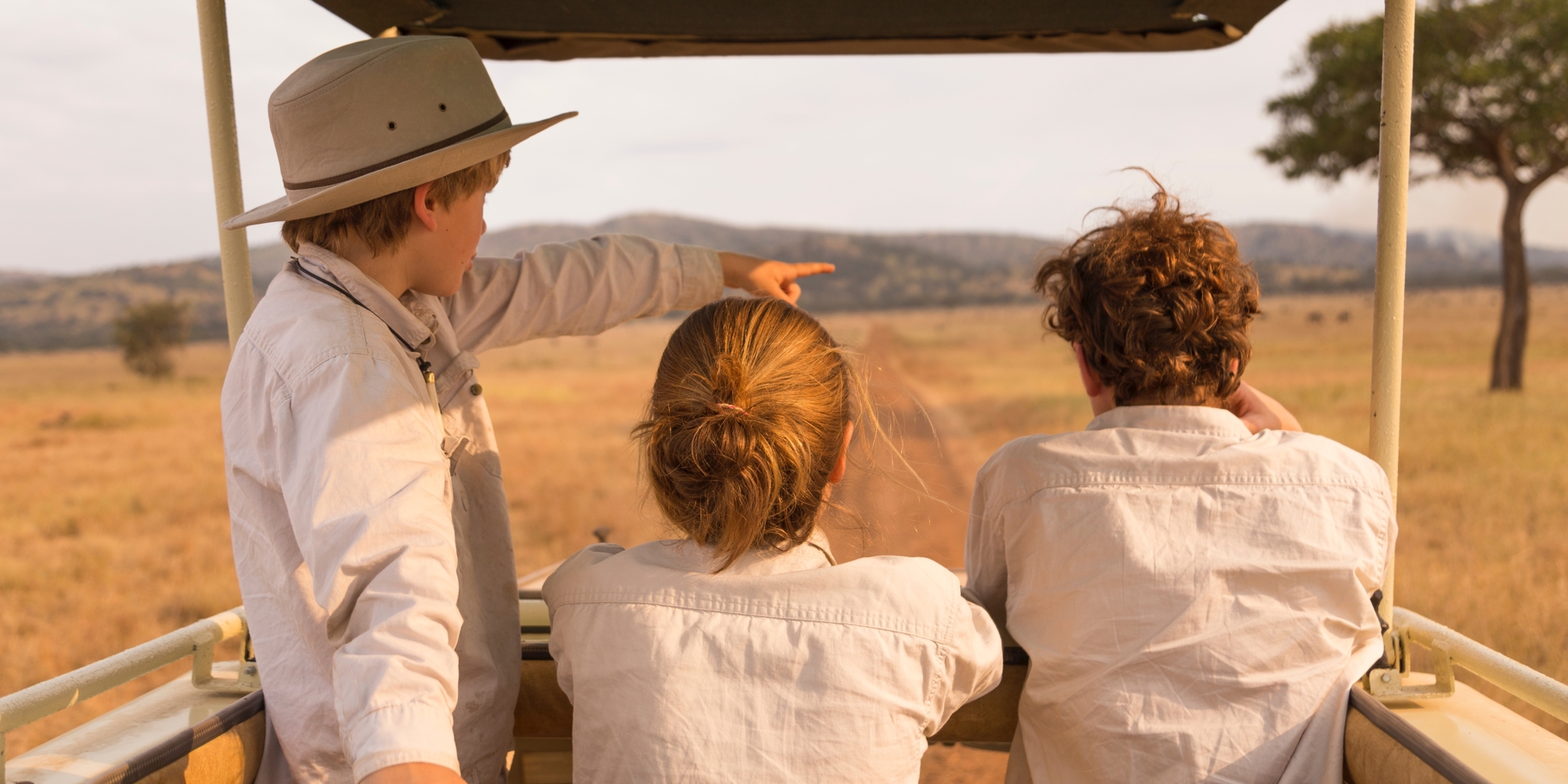
Private safaris with your own guide and vehicle
Migration safaris focused on seasonal wildlife movement
Classic wildlife safaris covering multiple northern parks
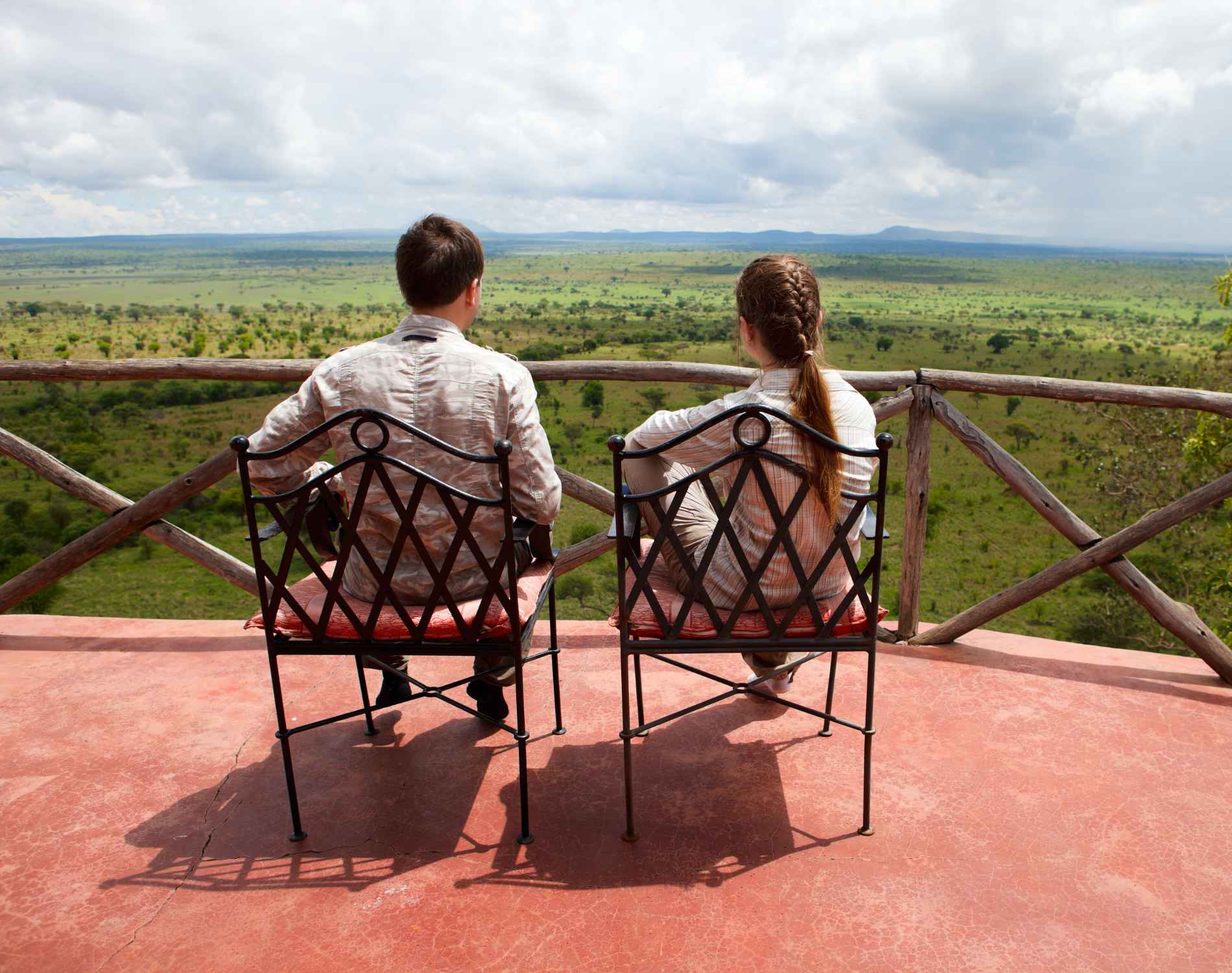
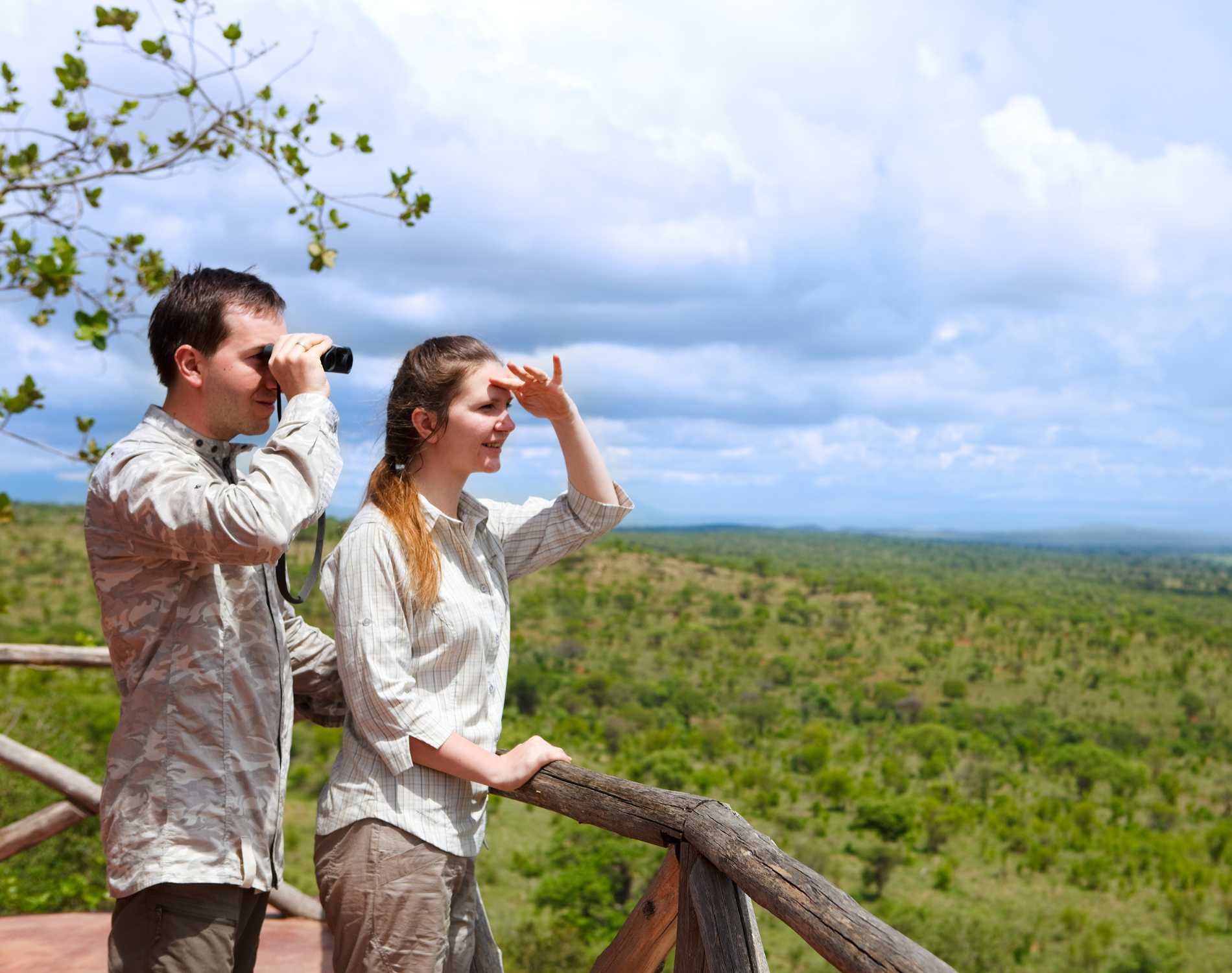
Honeymoon and couple safaris with relaxed pacing
Family safaris with flexible travel flow
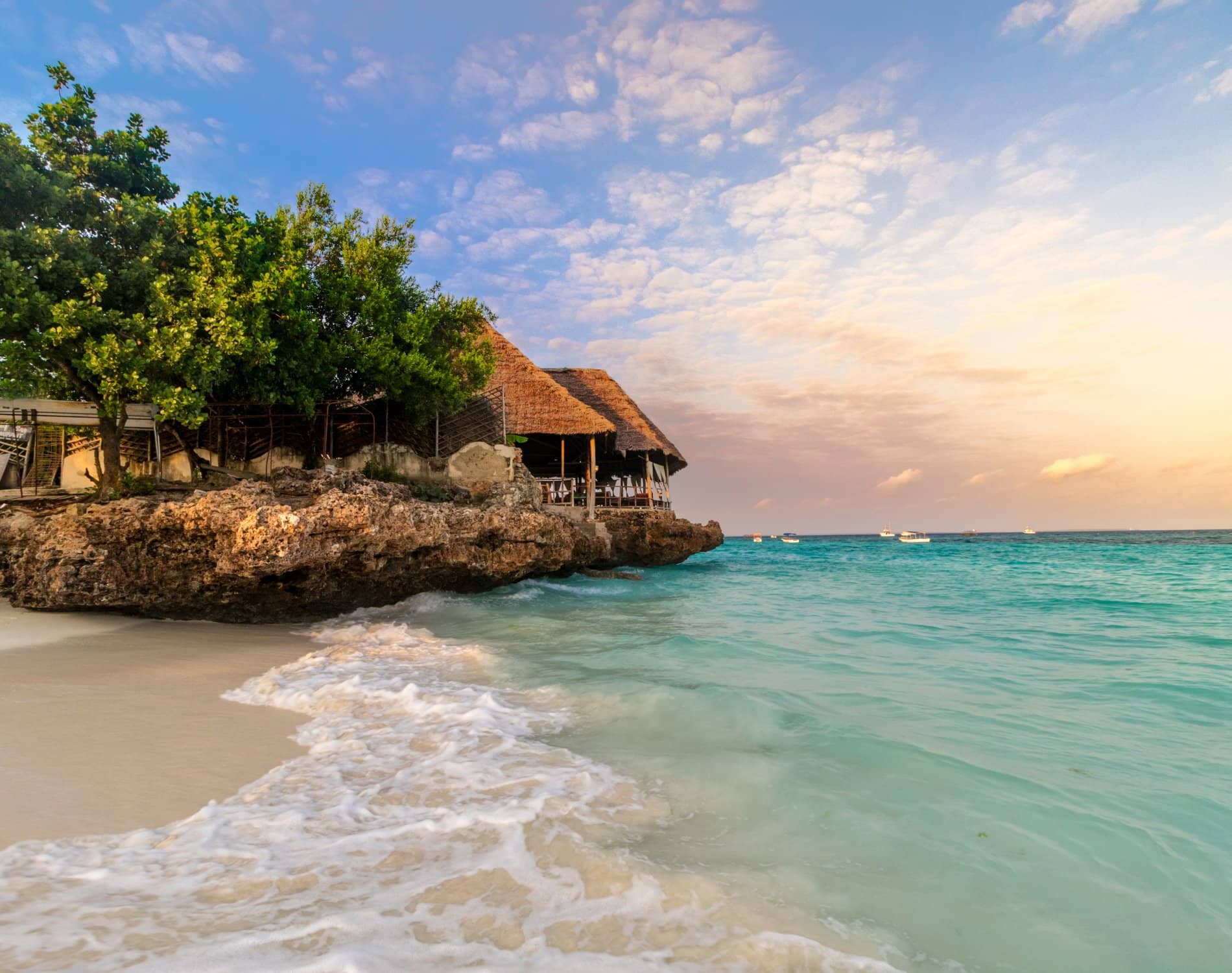
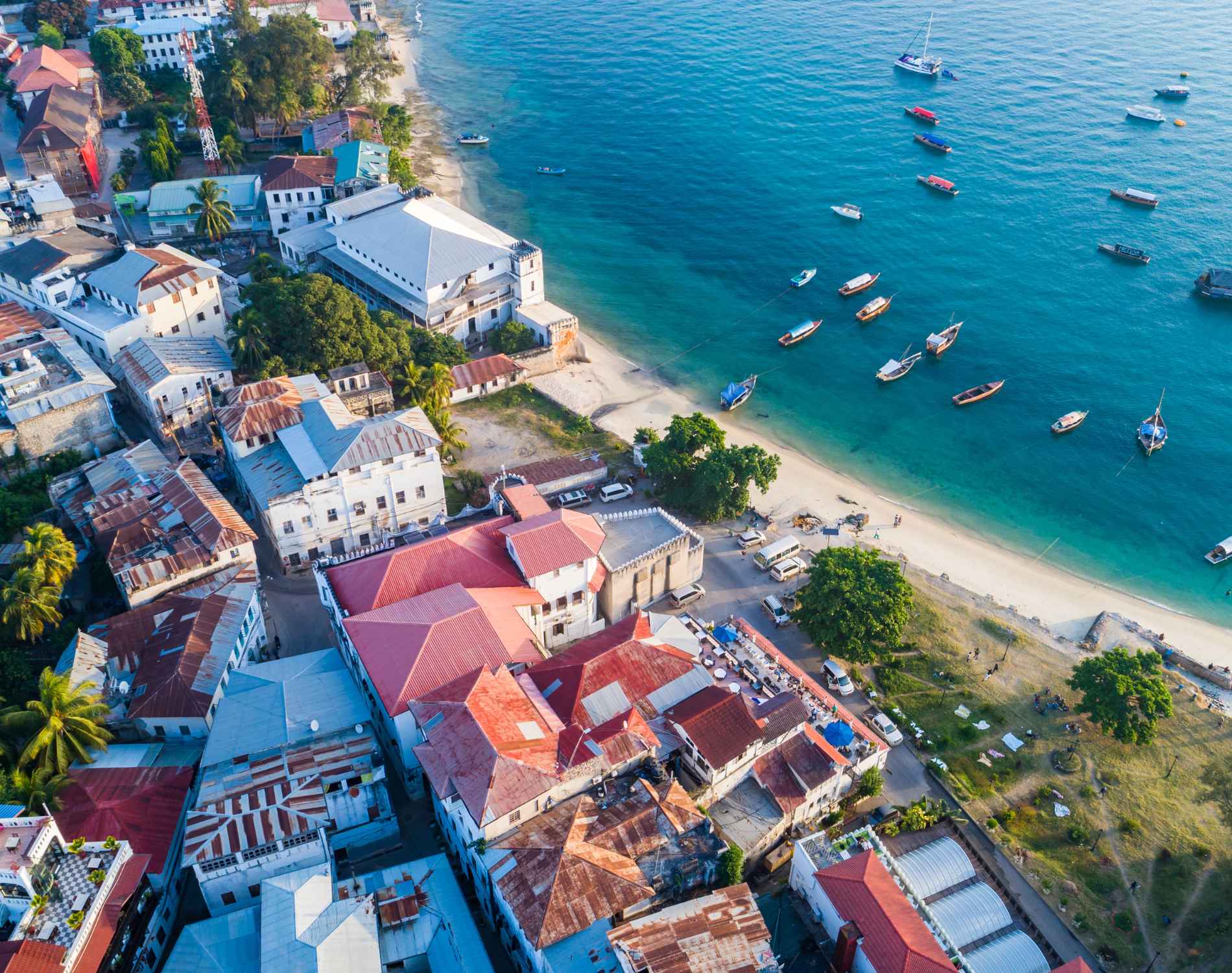
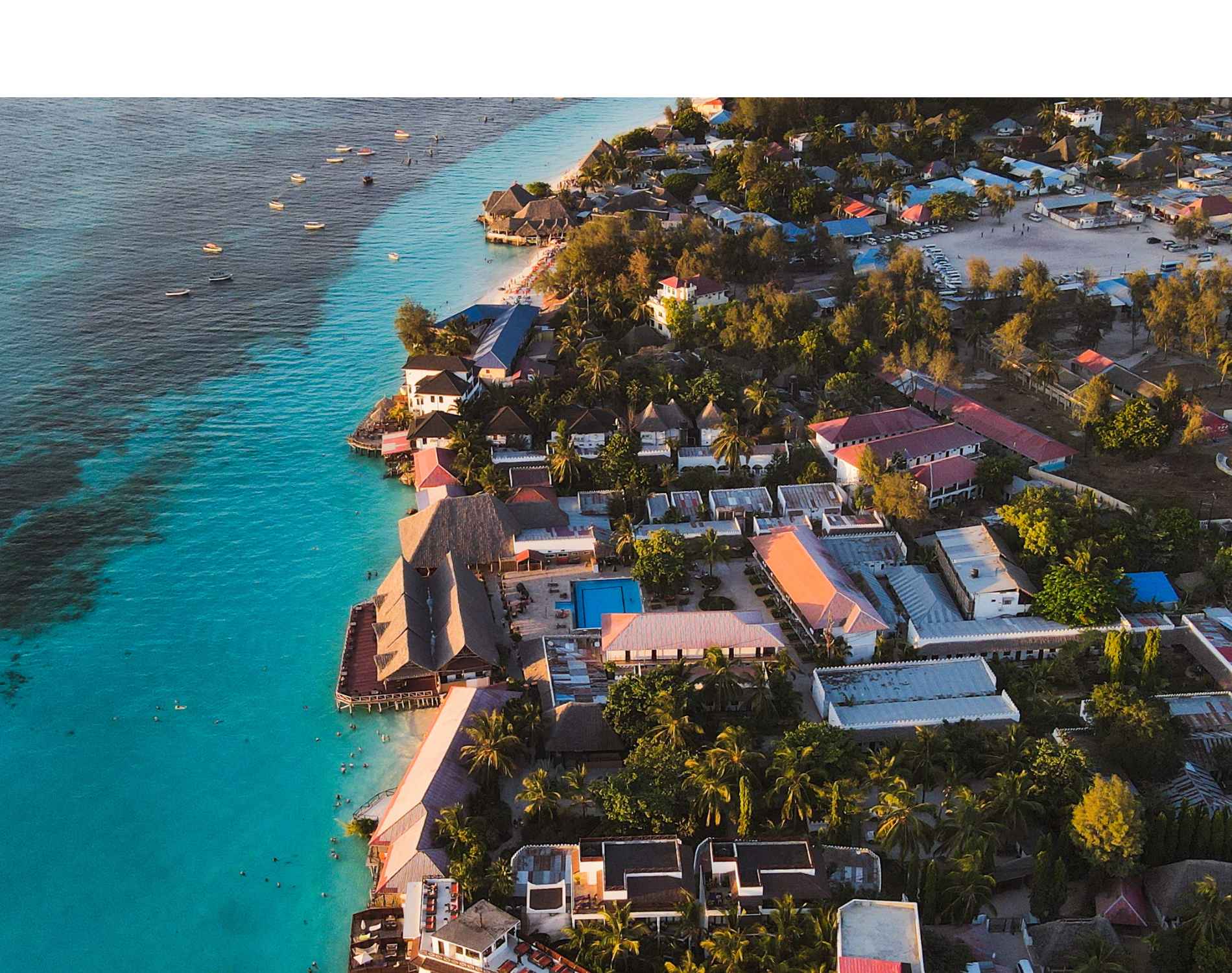
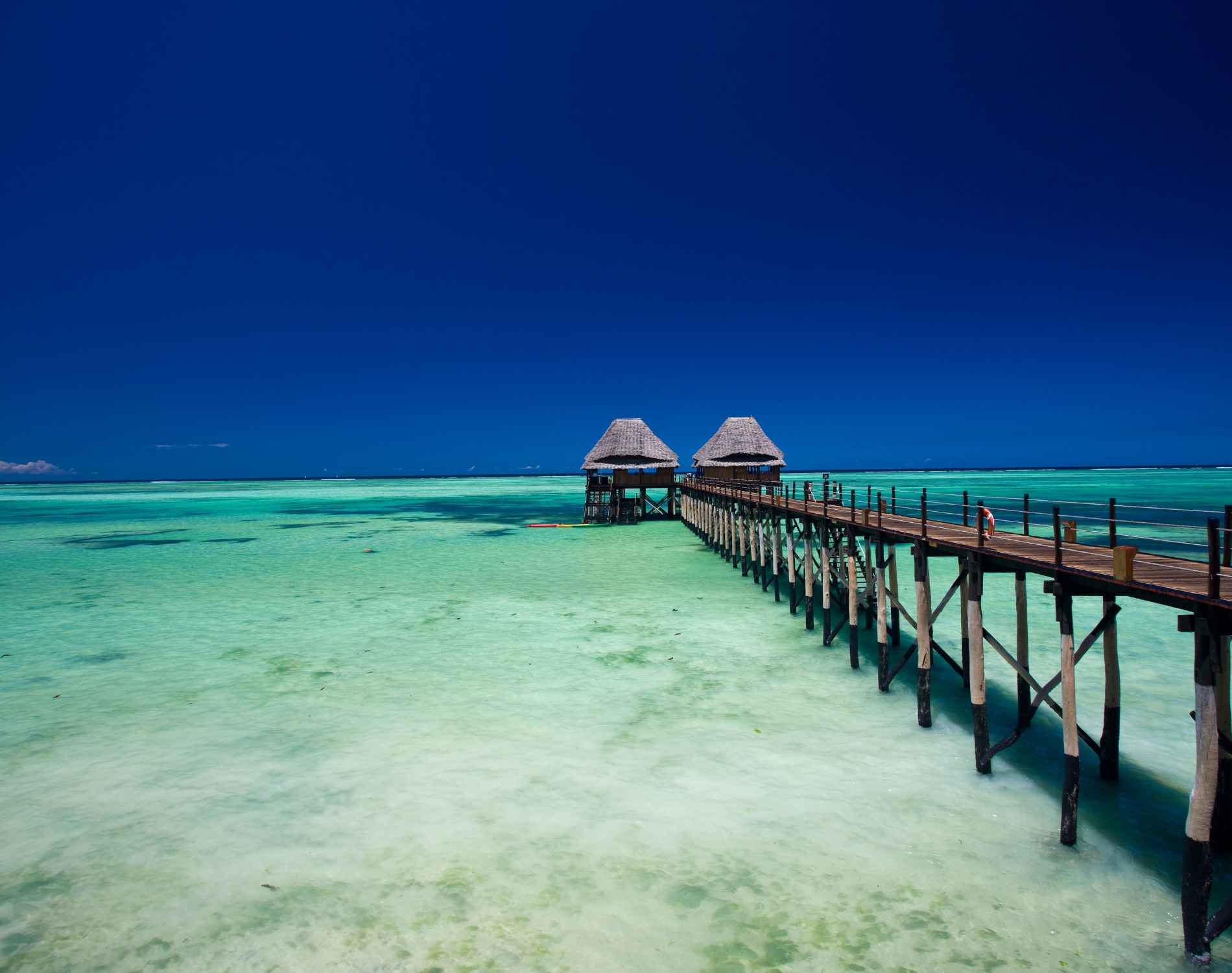
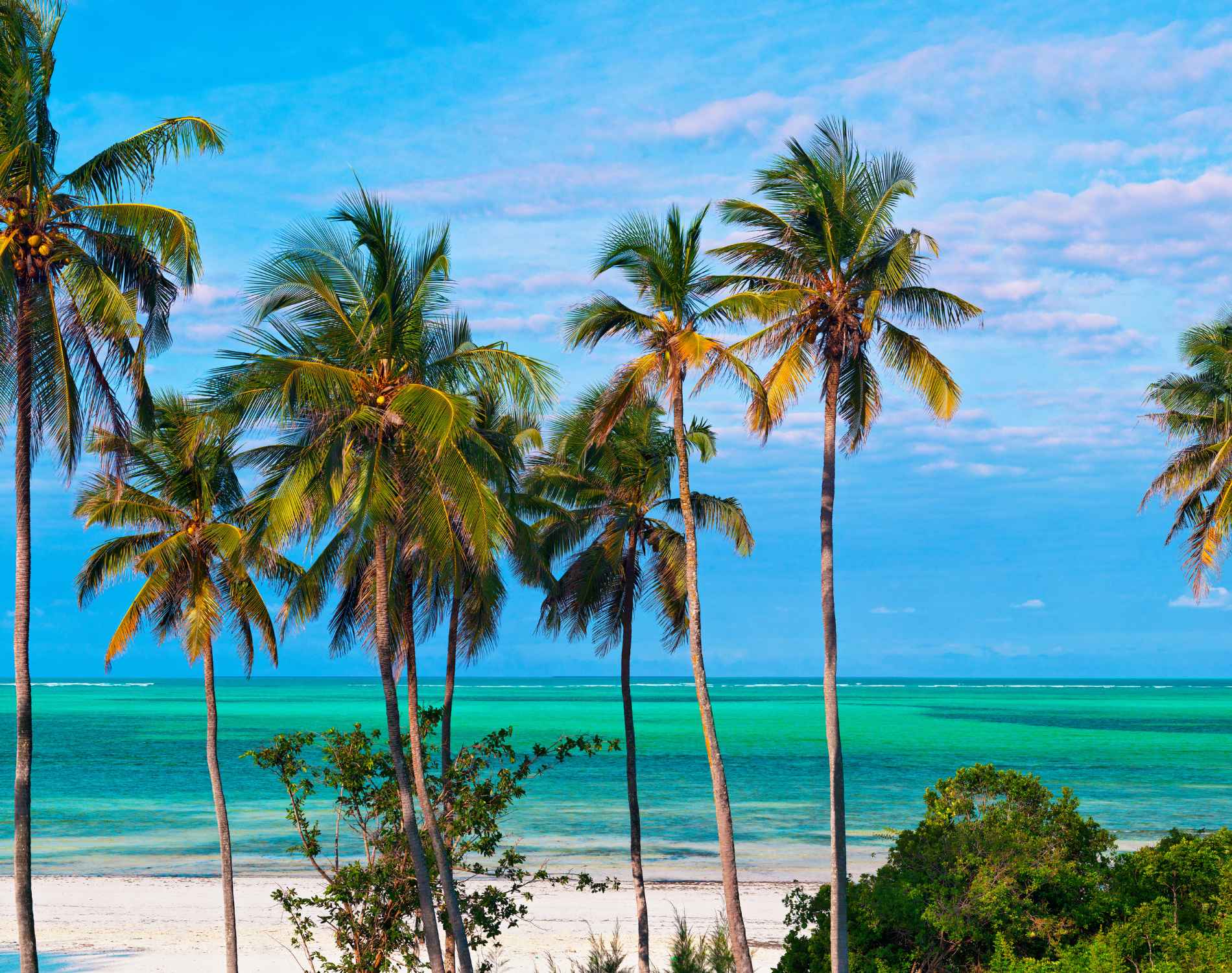
Safari and beach combinations ending in Zanzibar, Mafia, or Pemba
All safaris are designed around pacing, travel distance, and seasonal conditions rather than fixed templates.
Wildlife You May Encounter

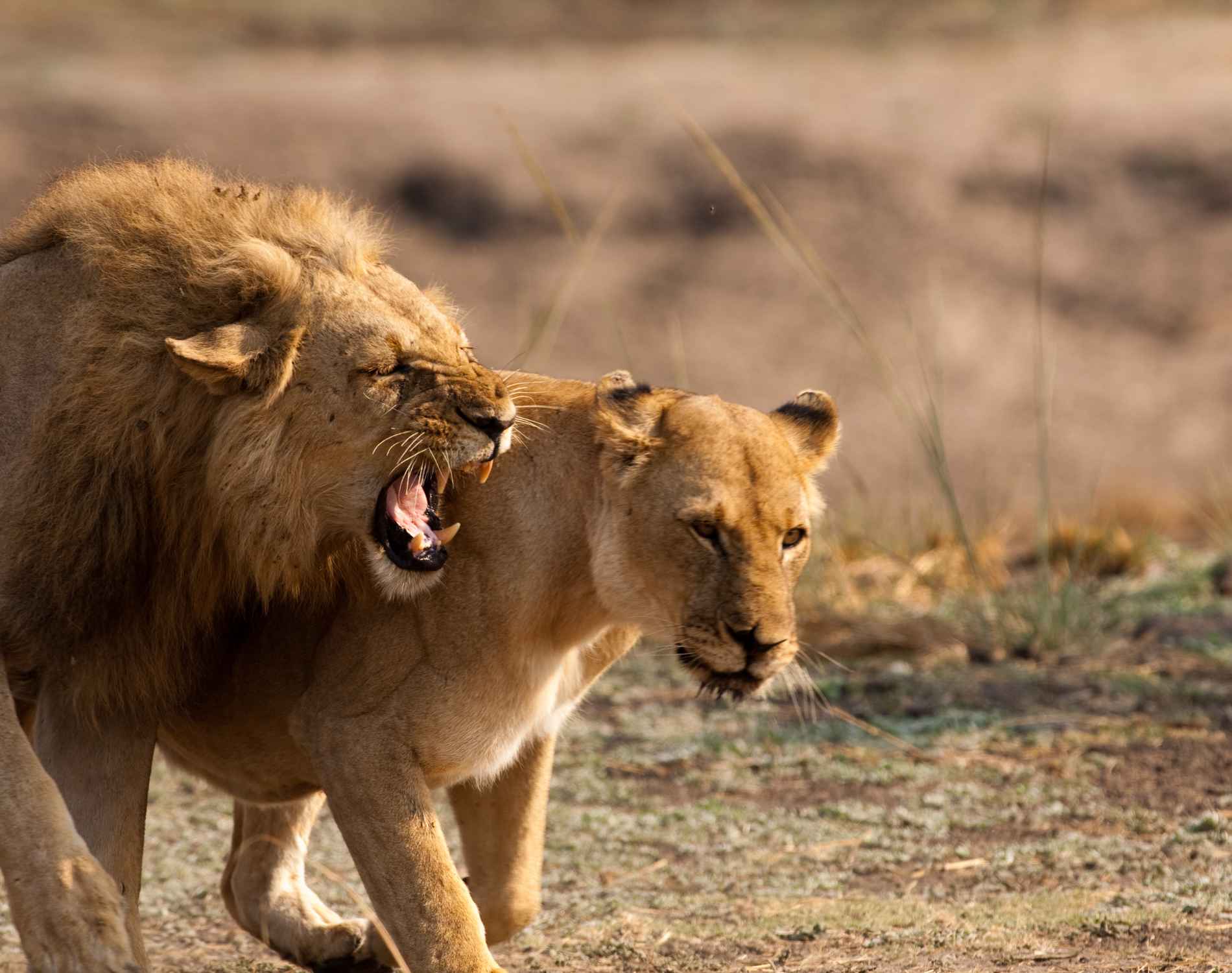
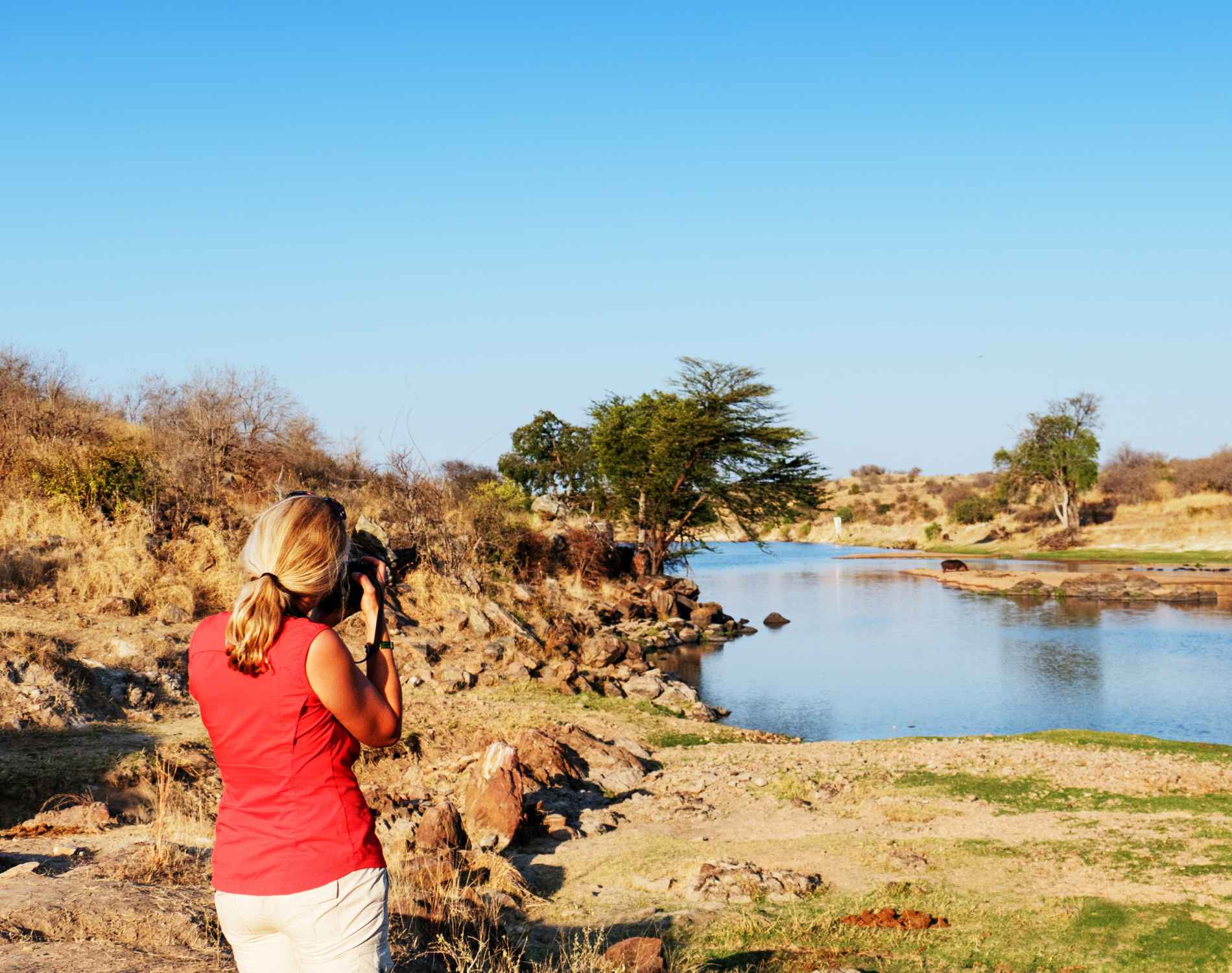
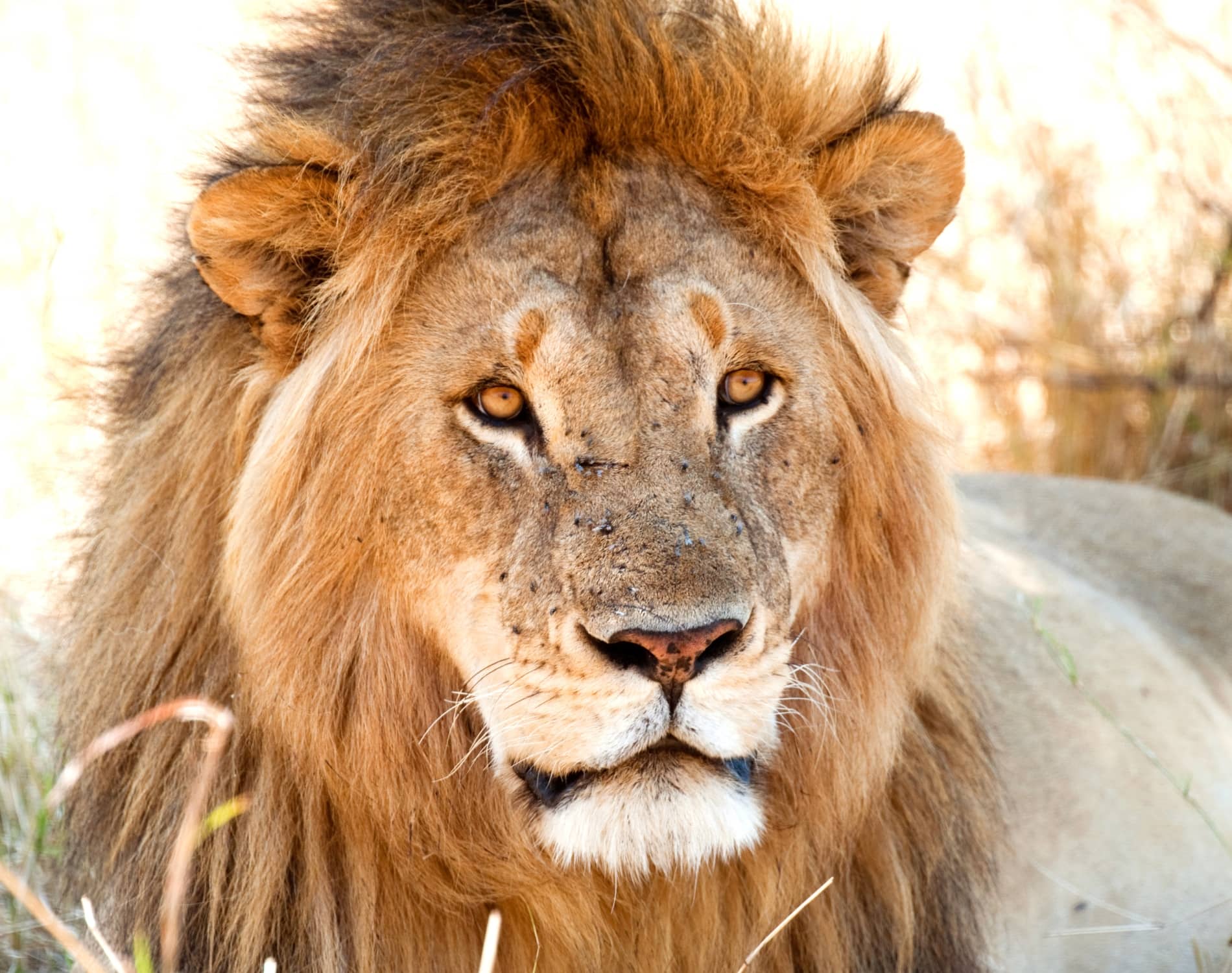
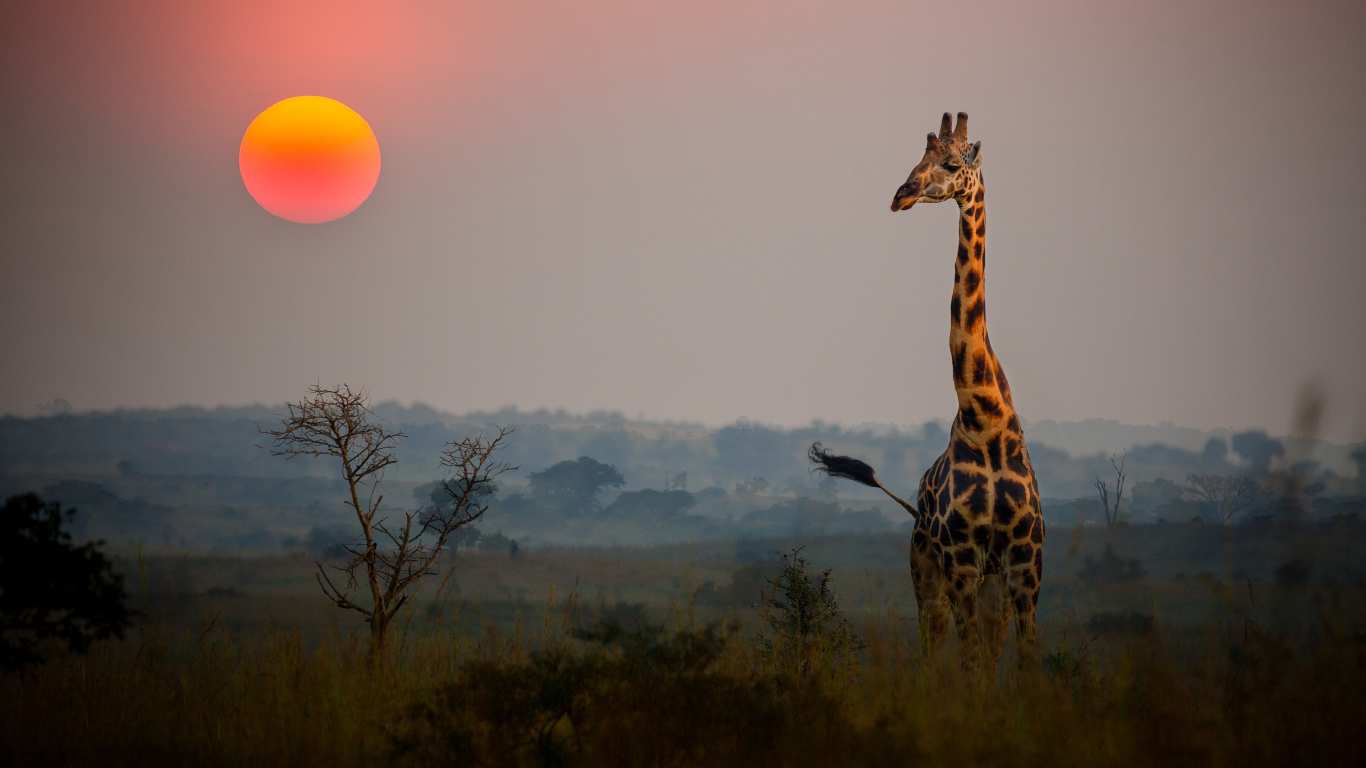
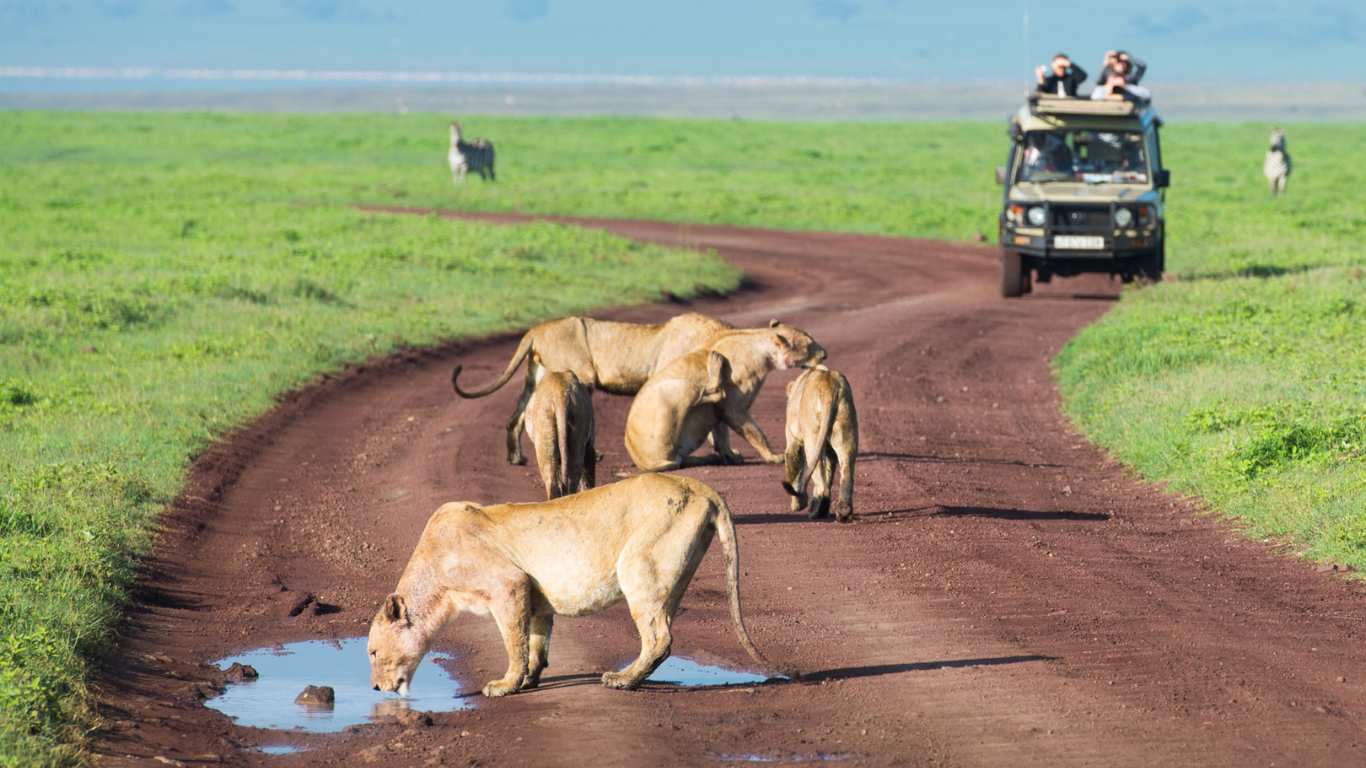
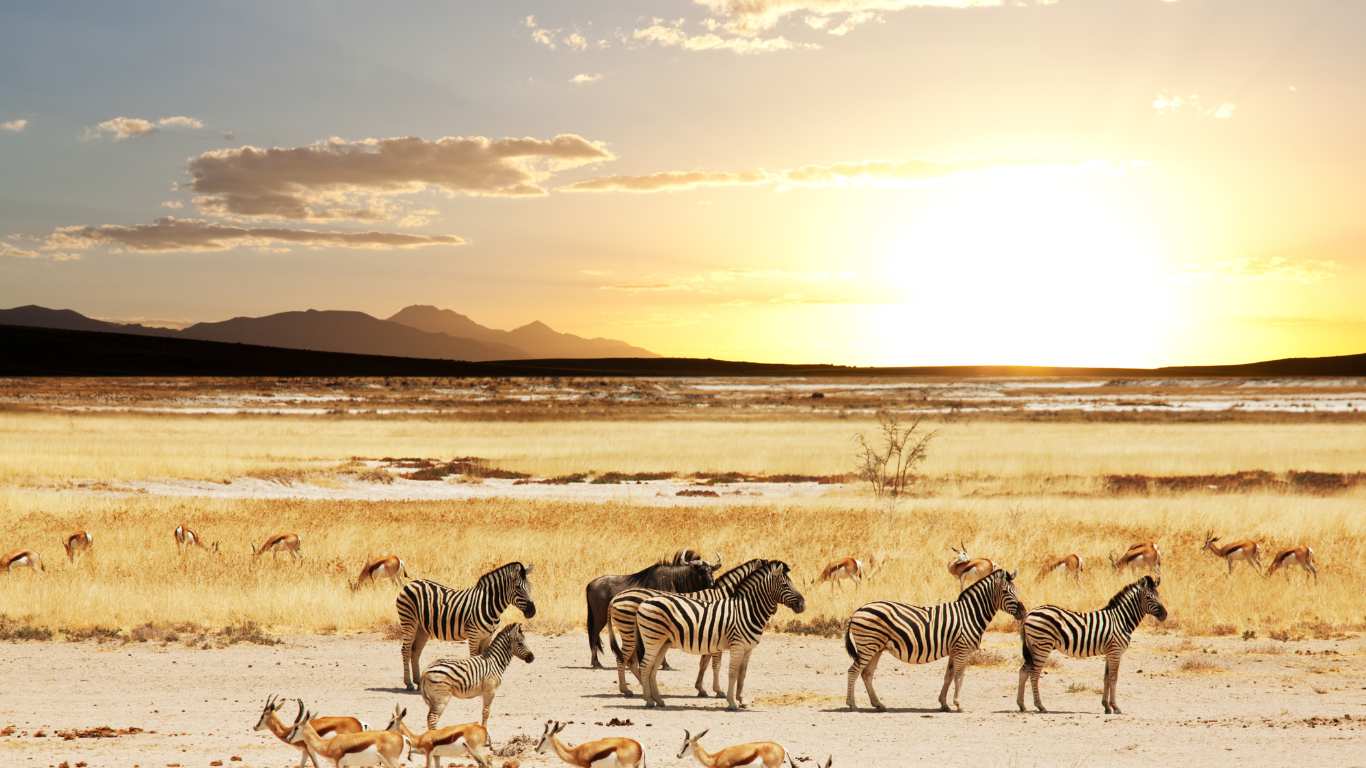
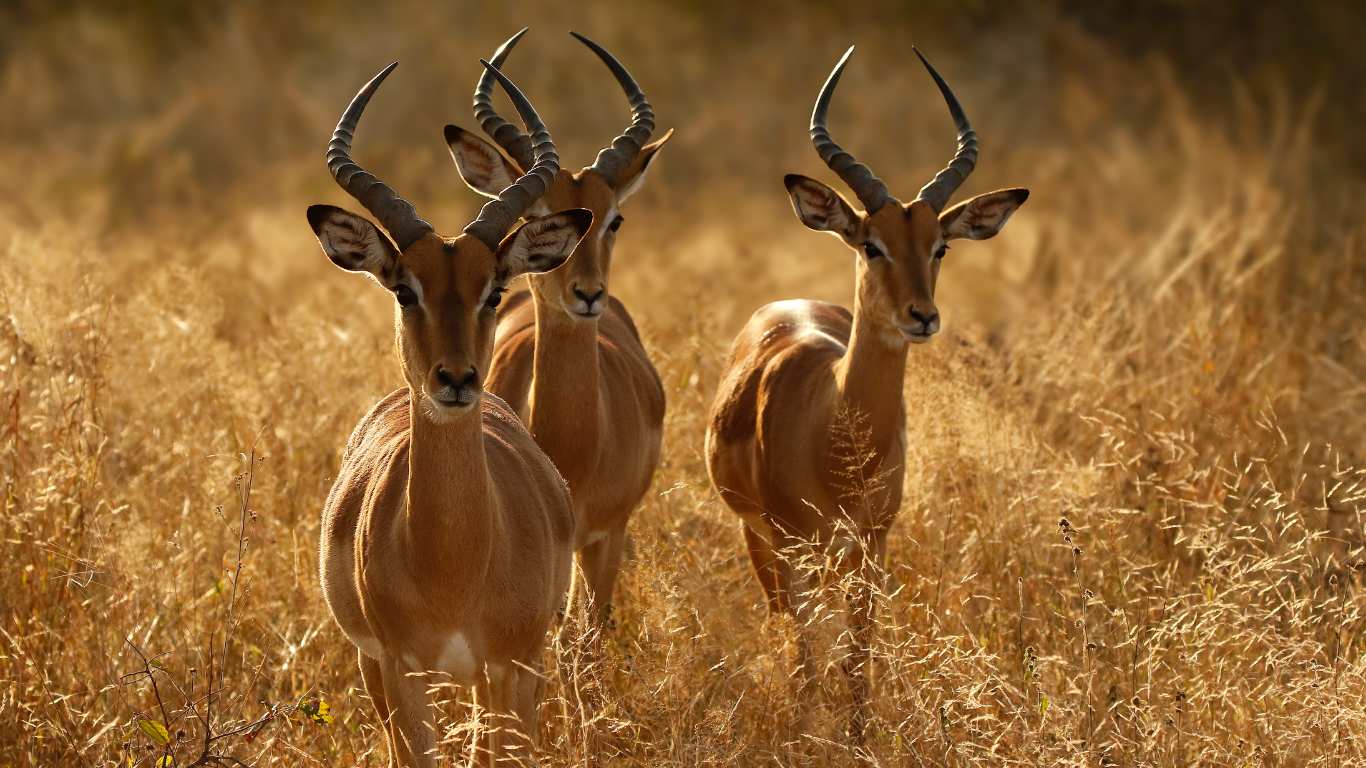
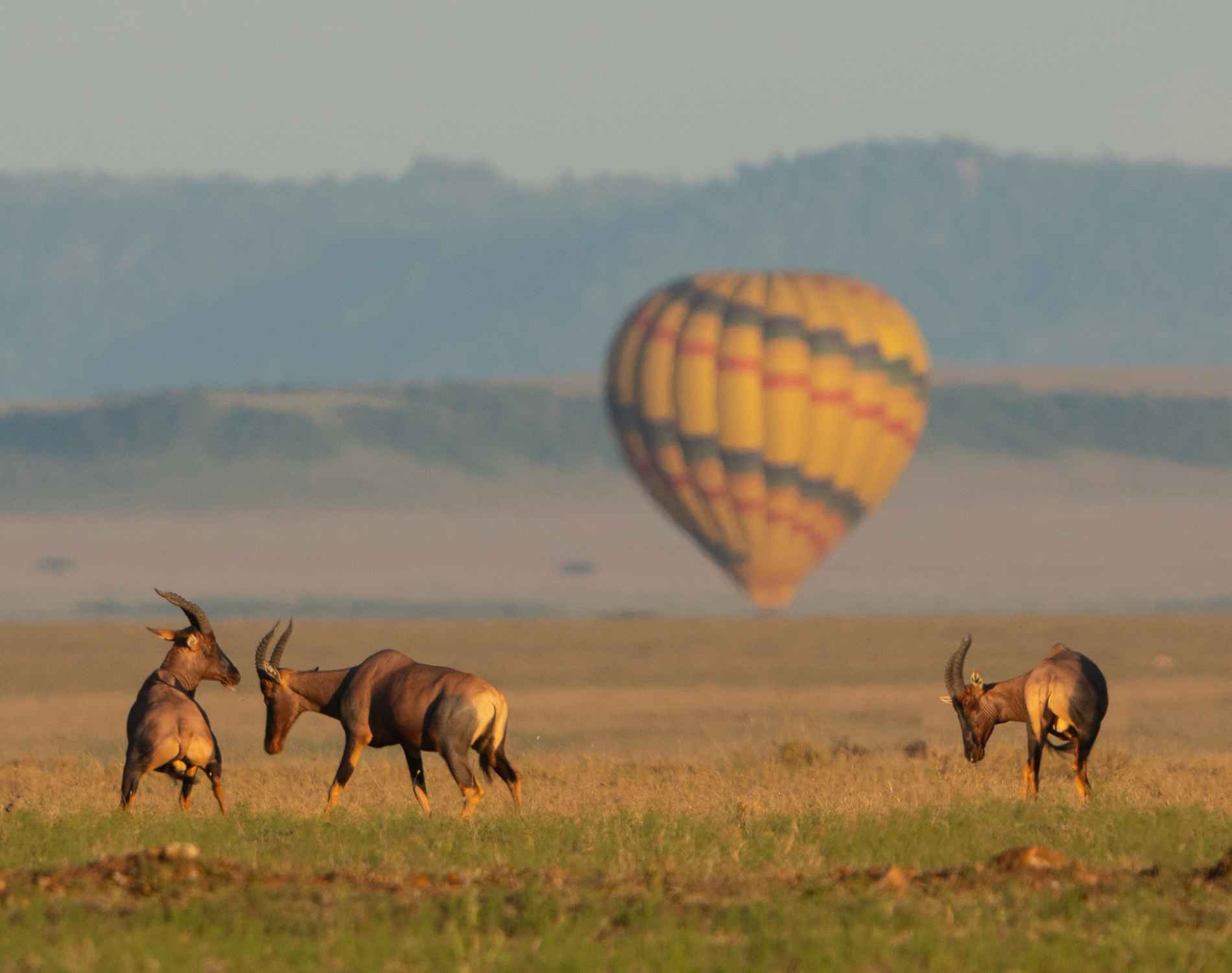
Tanzania supports a wide range of wildlife, including lions, elephants, leopards, cheetahs, buffalo, giraffes, zebras, wildebeest, hippos, and hundreds of bird species. Wildlife sightings depend on season, location, and natural movement, making every safari different.
Best Time for a Tanzania Safari

June to October. Dry season with excellent wildlife viewing
July to early October. Northern Serengeti migration period with possible river crossings
January to March. Calving season in the southern Serengeti
November and April to May. Green season with fewer crowds and lush scenery
Wildlife is present year-round, but experiences vary by season and region.
How Tanzania Safaris Are Structured

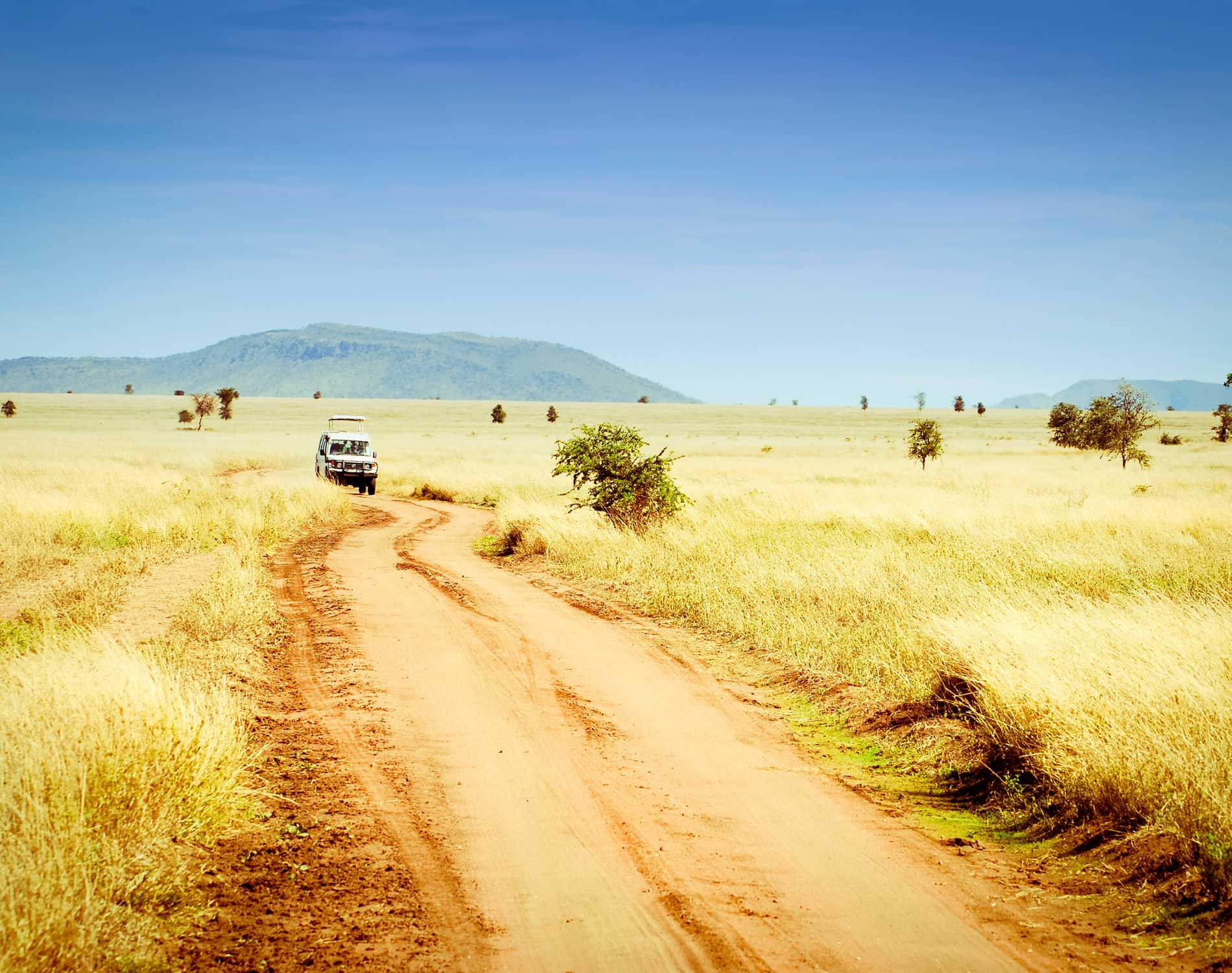
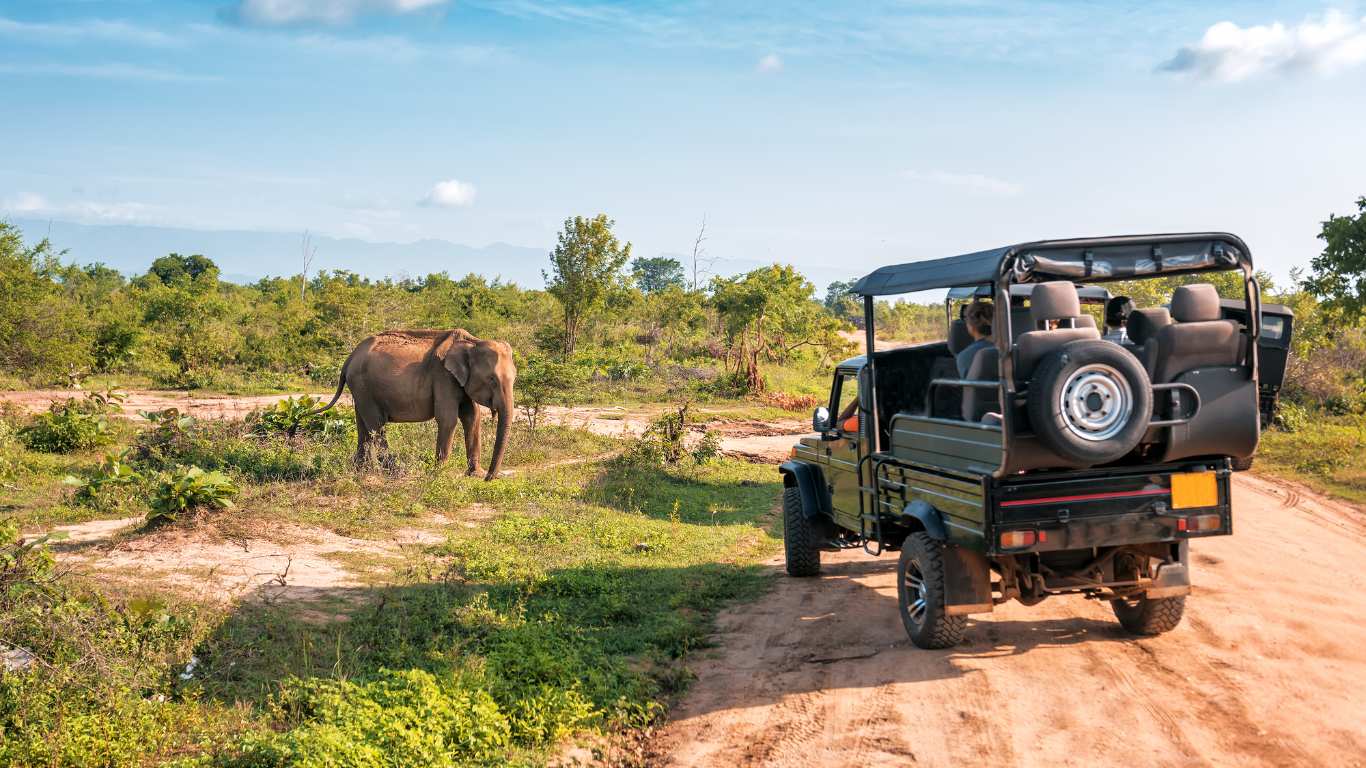
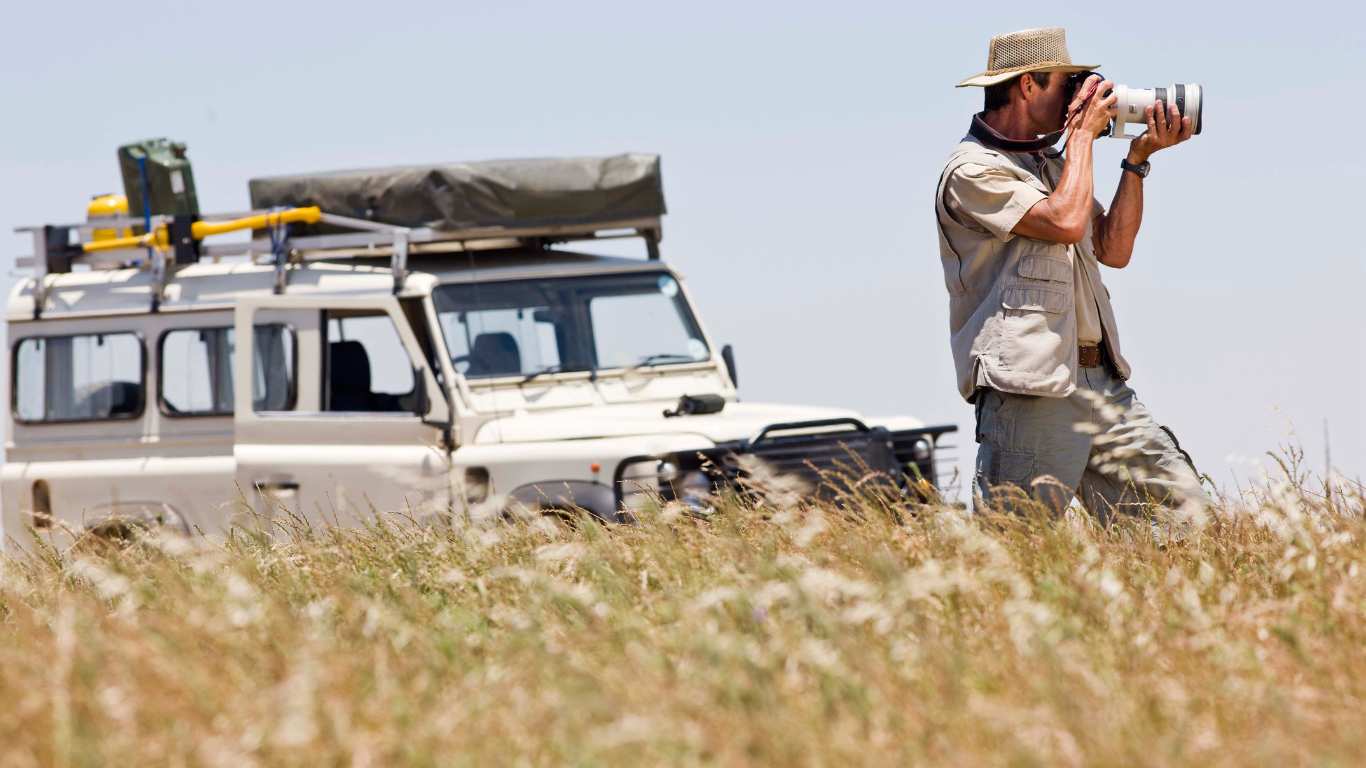
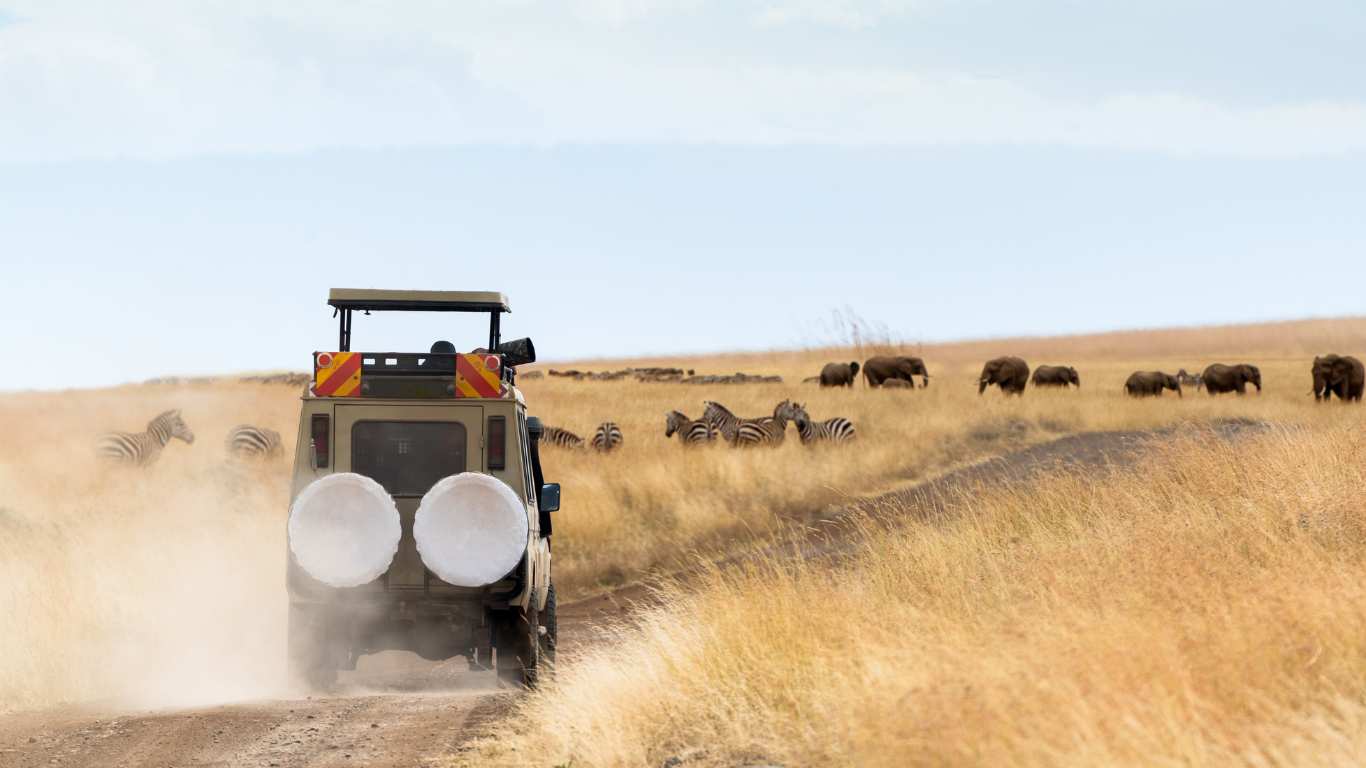
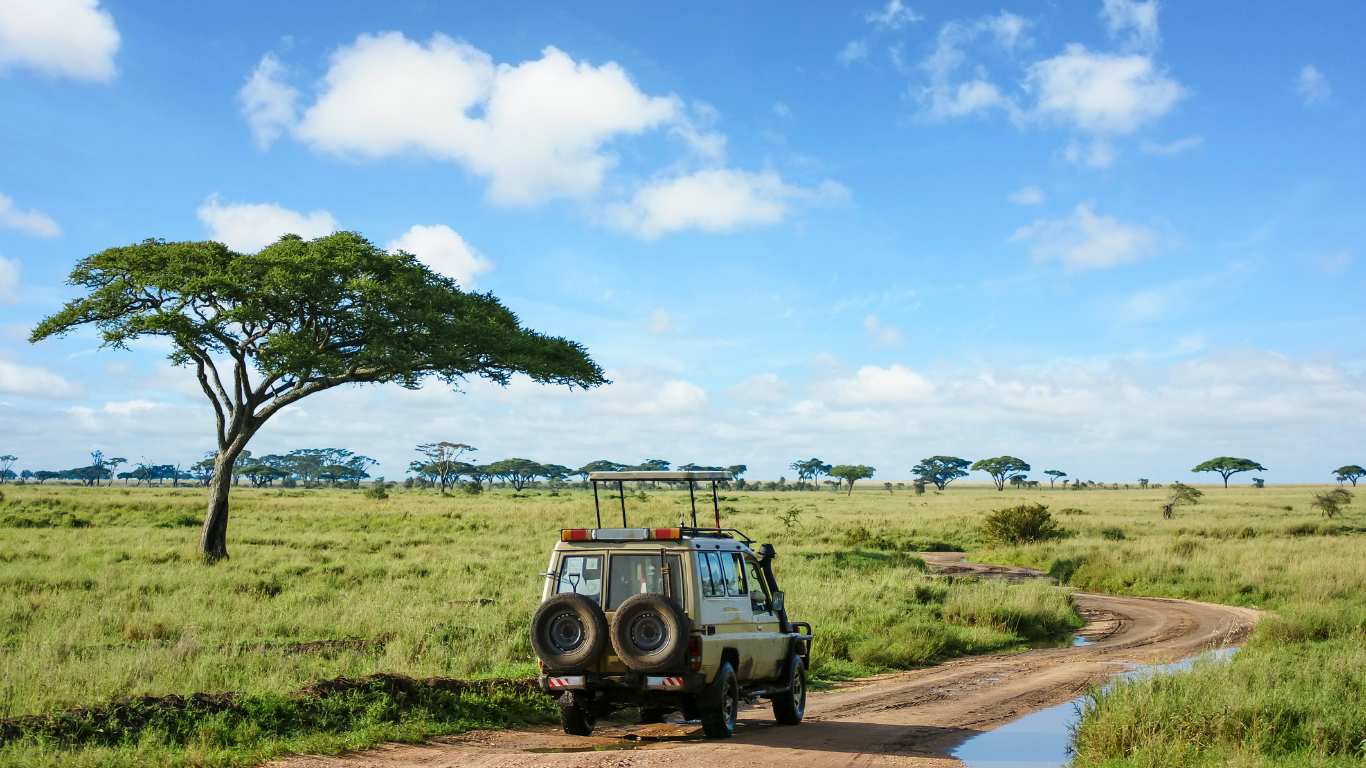
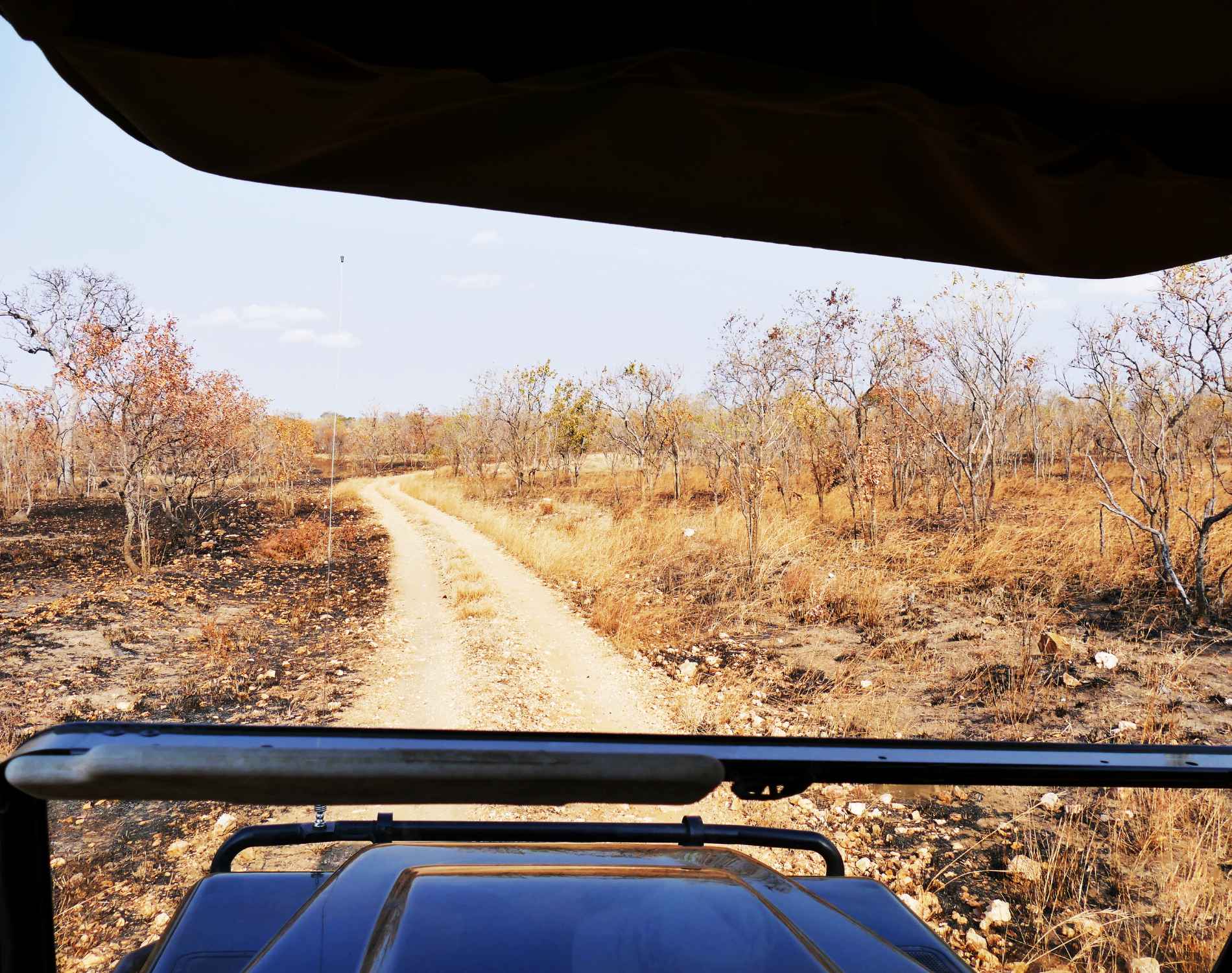
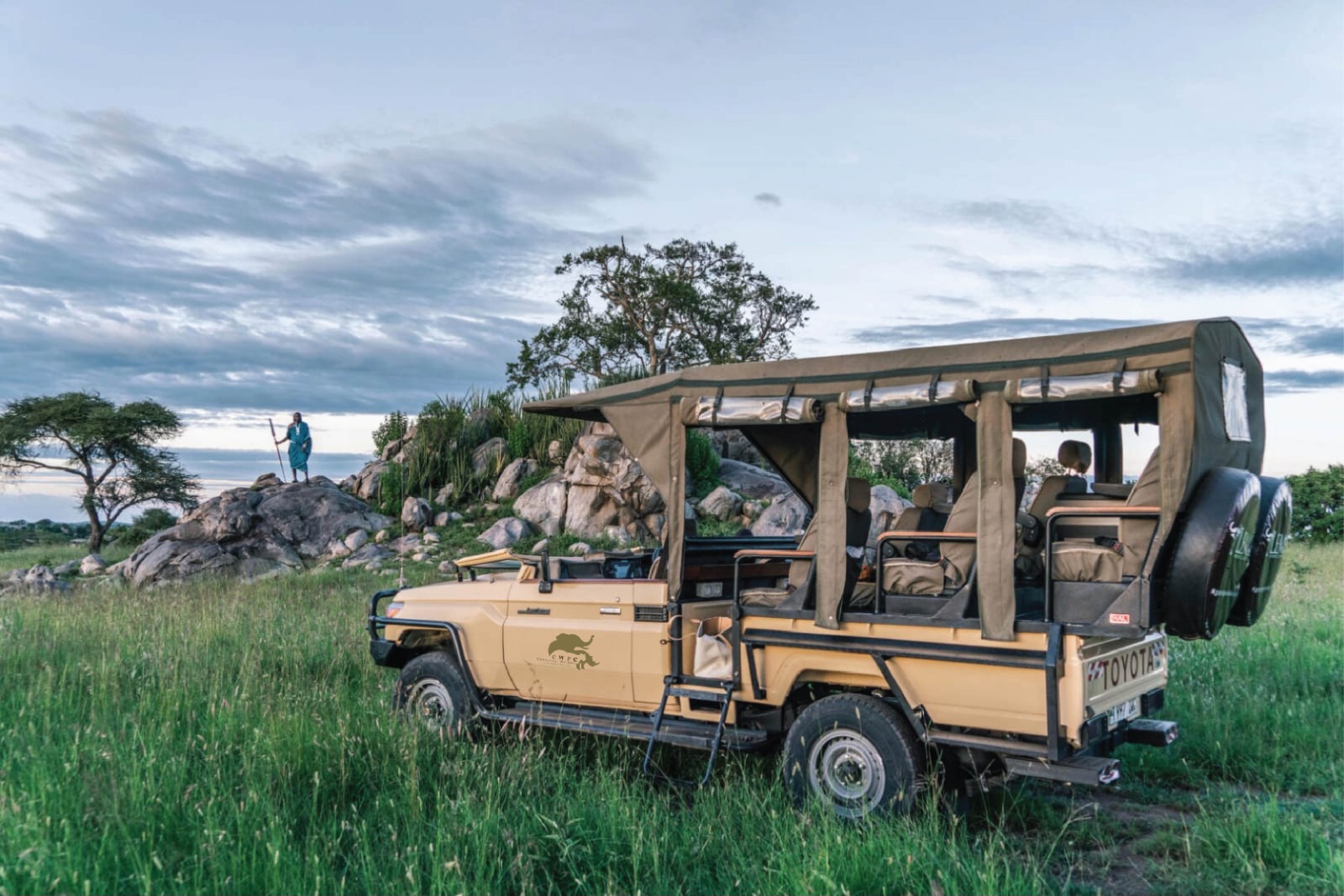
Safaris are conducted in custom 4×4 vehicles with pop-up roofs for wildlife viewing. Travel days balance driving time with game drives, and accommodations range from comfortable lodges to remote tented camps inside the parks.
Most itineraries begin and end near Arusha or Kilimanjaro International Airport, with optional internal flights for longer distances.
Safari and Beach Extensions
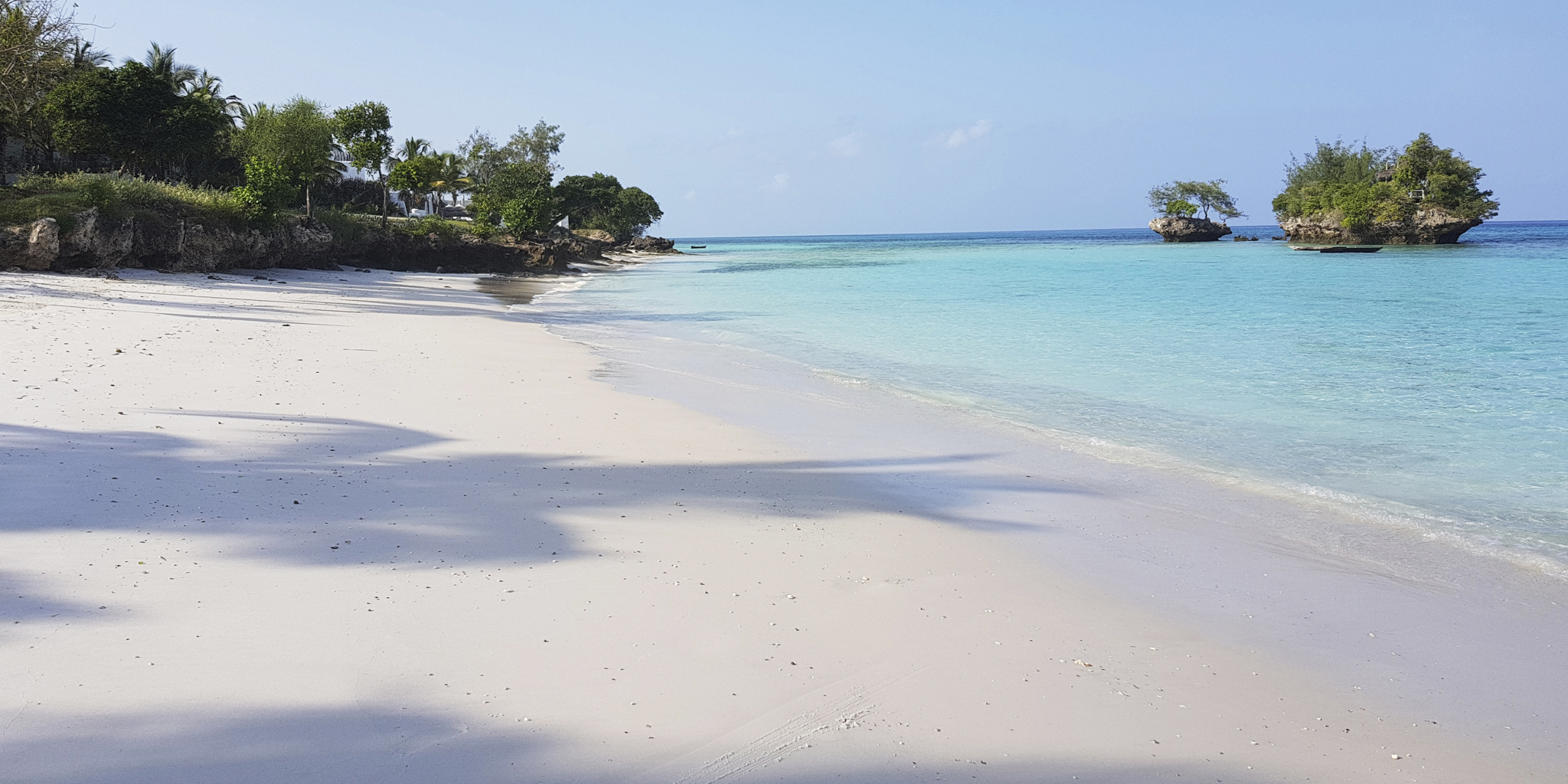
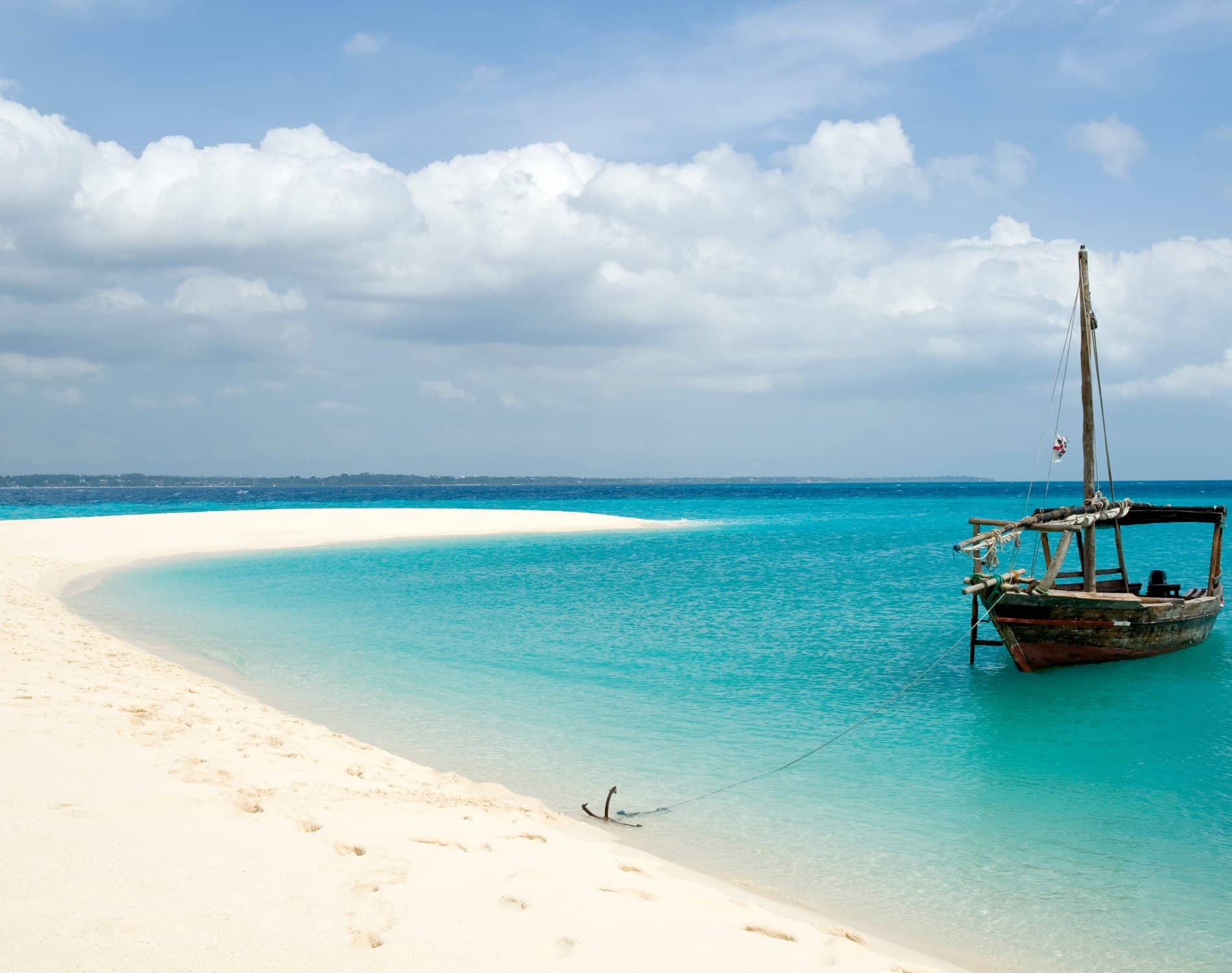
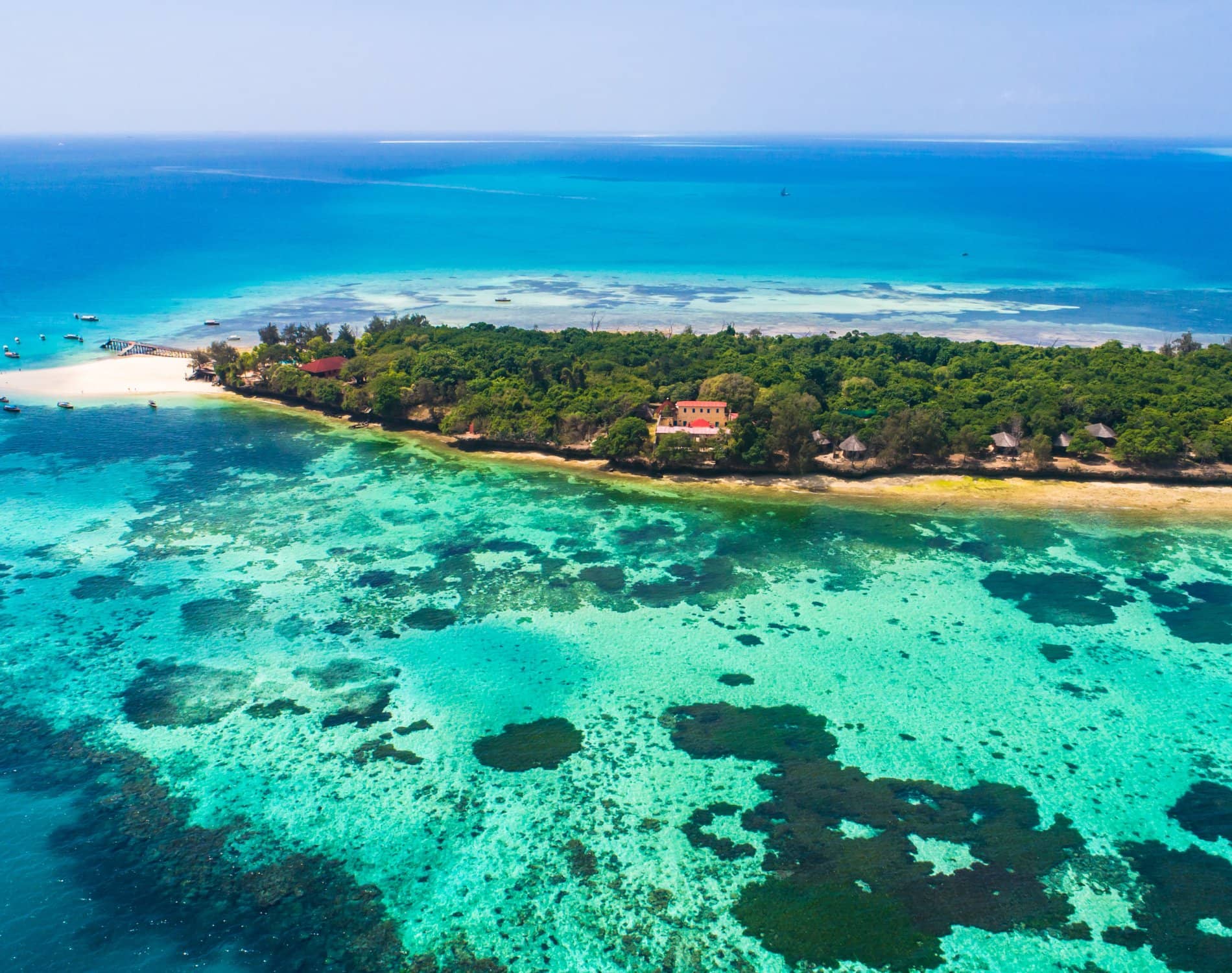
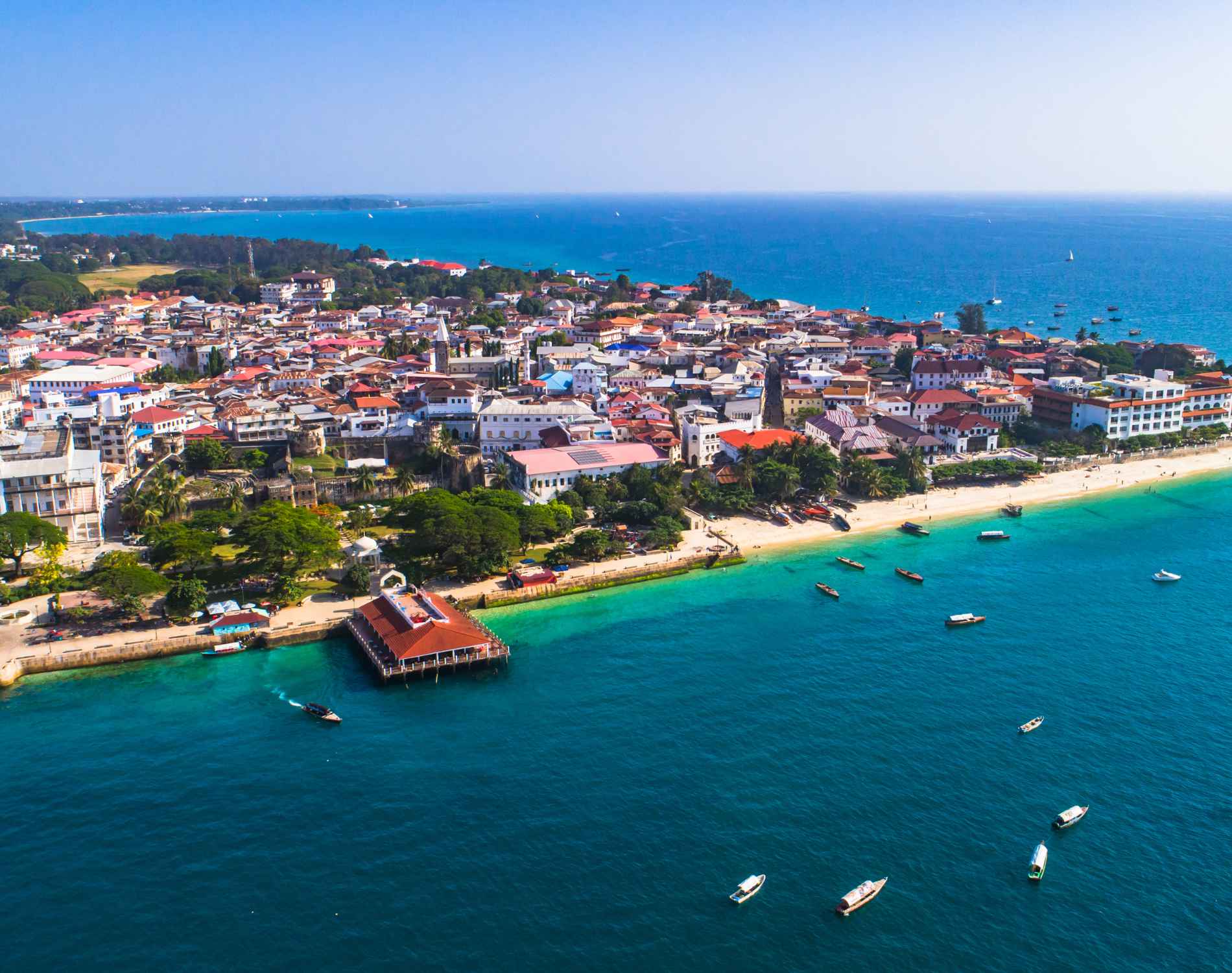
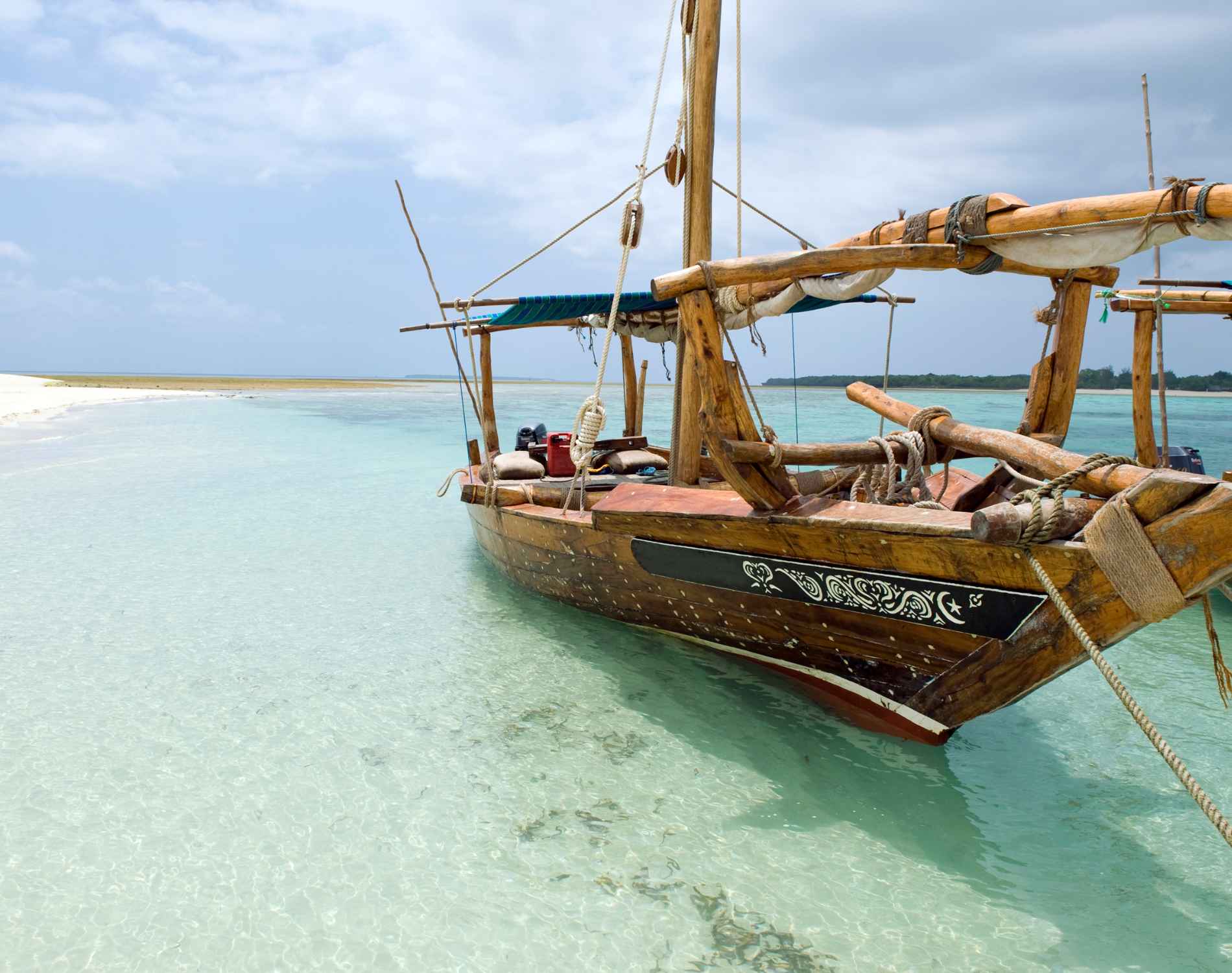
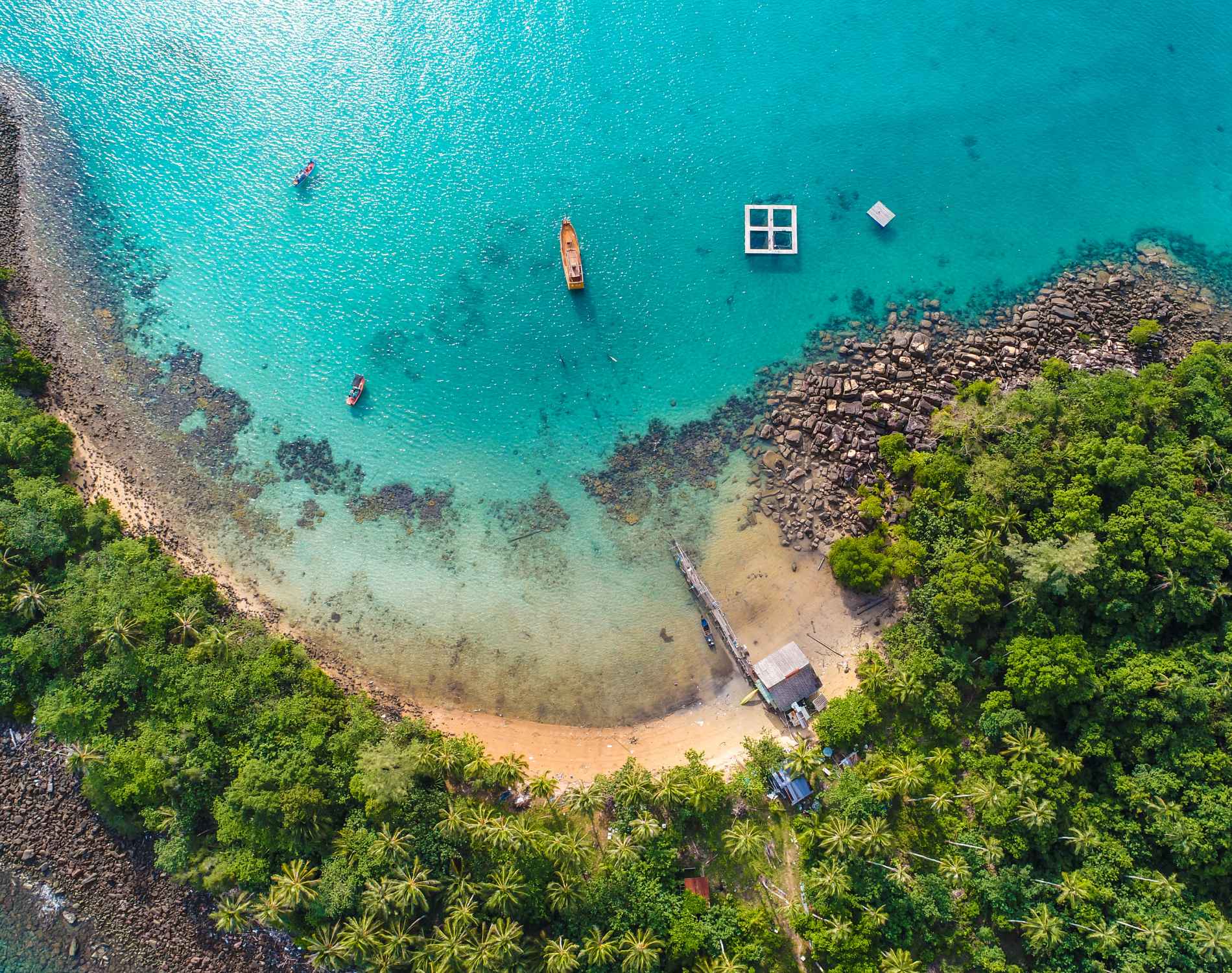
Many travelers combine their safari with a beach stay on the Indian Ocean. Zanzibar offers cultural depth and vibrant beaches, while Mafia and Pemba Islands provide quieter, more secluded coastal experiences.
These extensions are ideal for relaxation after active safari days.