

Overview
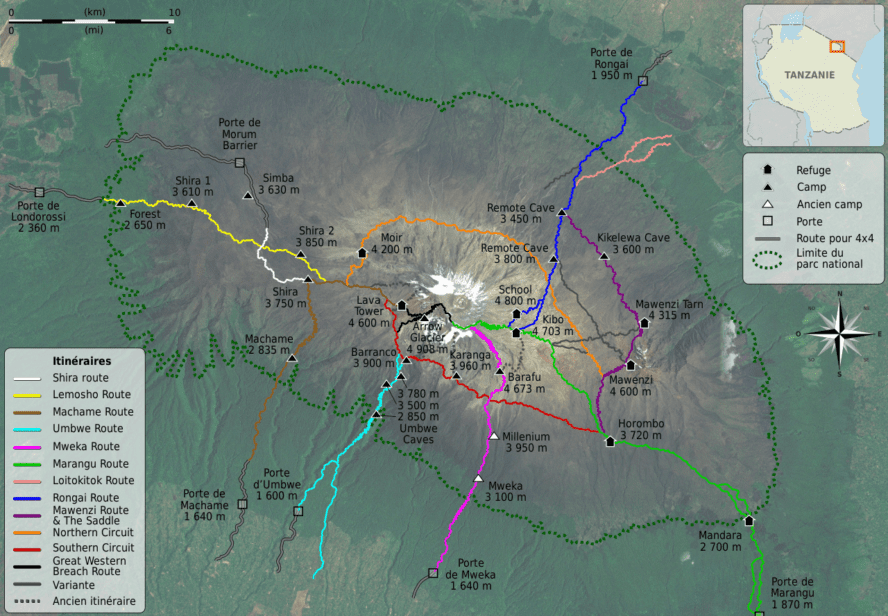
The Rongai Route is the only route that approaches Mount Kilimanjaro from the northern side, close to the Kenyan border. Due to its remote location, it is one of the least crowded routes on the mountain and offers a quieter, more secluded trekking experience.
Rongai is known for its gentler gradients and drier conditions, making it a good option during wetter months. While the route is considered physically easier than some southern routes, it requires careful planning for acclimatization due to fewer climb-high, sleep-low opportunities.
Accommodation Style . Camping Route
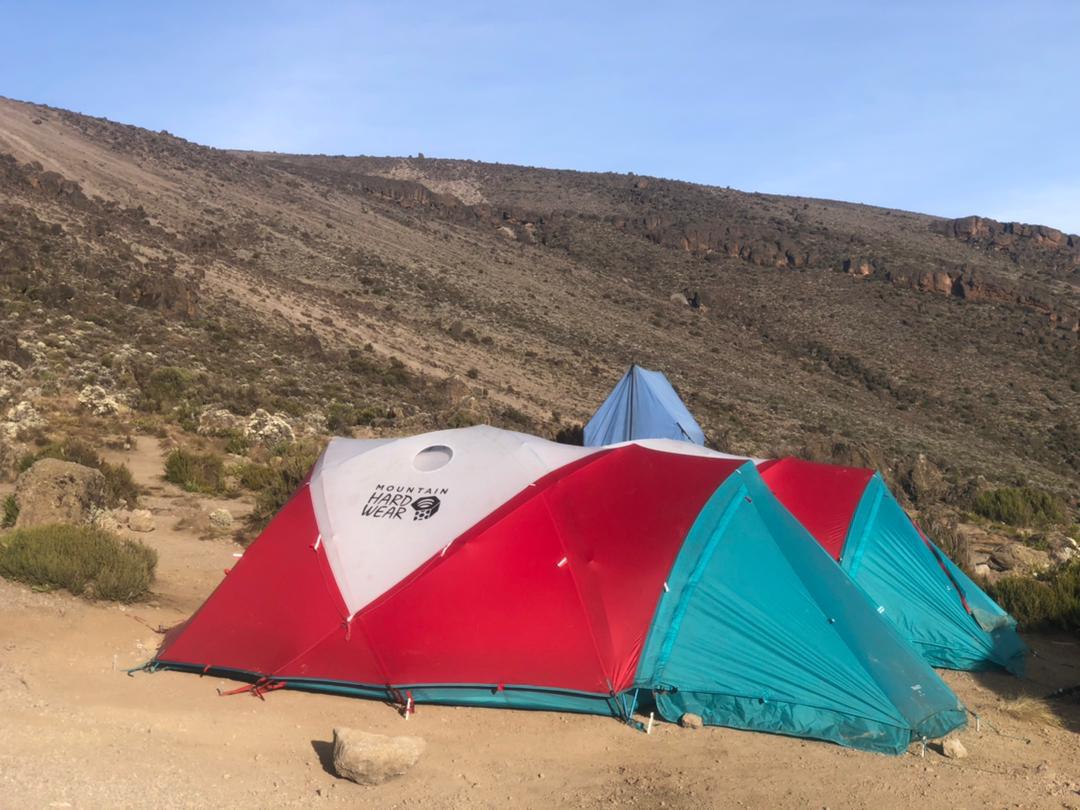
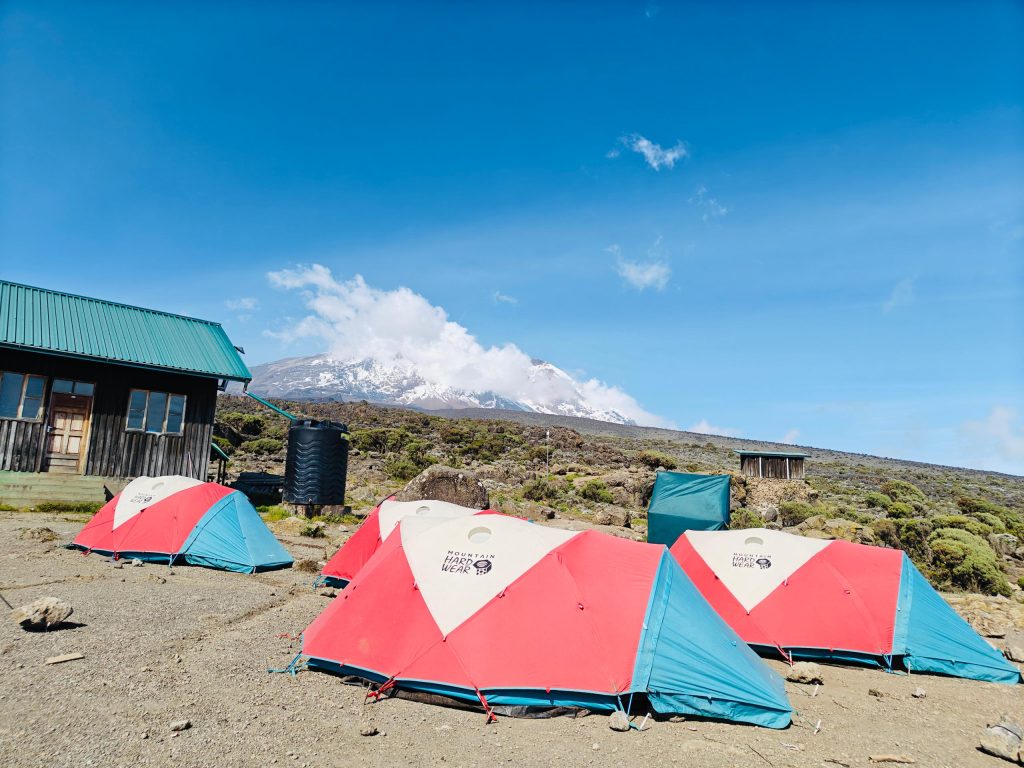
The Rongai Route is a fully supported camping route. Overnight stays are in mountain camps, with tents and camp logistics handled by the support team.
Camping allows flexibility along this quieter route and supports a steady ascent through remote terrain. On descent, the route typically connects with the Marangu side of the mountain.
Landscape and Wildlife
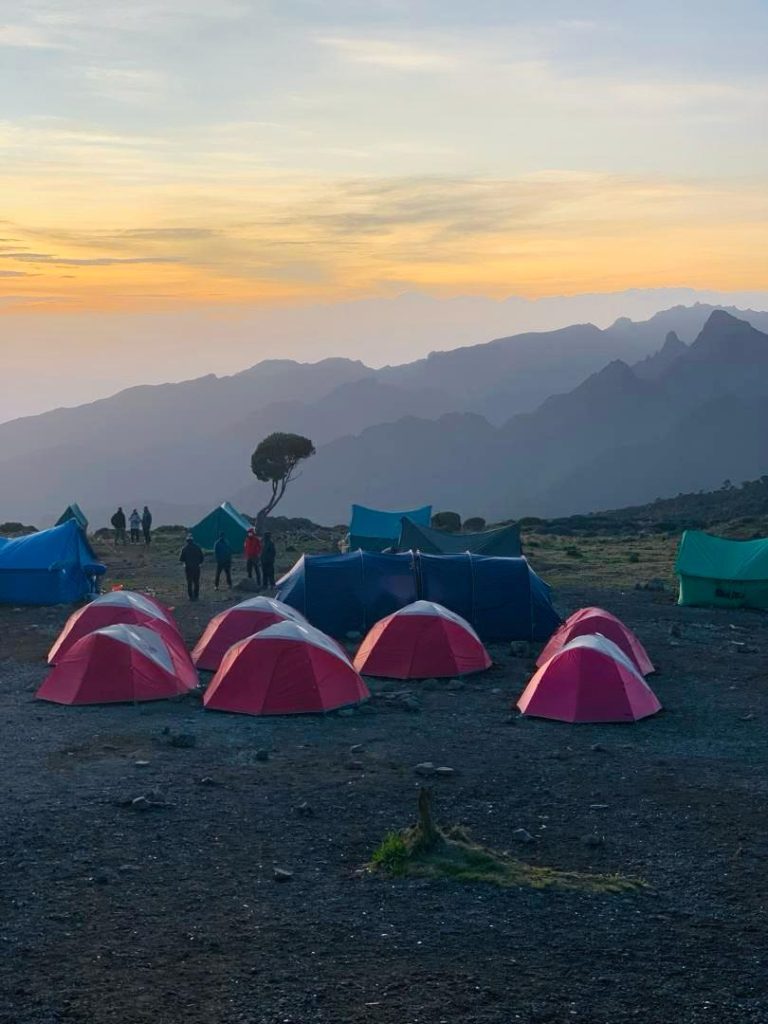
Rongai passes through open forest, heath, and alpine terrain. The northern slopes are less lush than the southern routes but offer wide, open views and a strong sense of space.
Wildlife sightings are more common in the lower sections of this route. Trekkers may encounter animals such as antelope, buffalo, and occasionally elephants in the forested areas.

Acclimatization and Route Profile
Rongai follows a more gradual and flatter ascent compared to steeper southern routes. This makes it physically less demanding, but it offers fewer natural opportunities for climb-high, sleep-low acclimatization.
For this reason, longer variations of the Rongai Route, especially those that include the Mawenzi Tarn area, are recommended to improve altitude adaptation and overall comfort.
4
Summit Approach
The summit attempt on the Rongai Route follows the same upper path used by the Marangu Route. Climbers ascend from Kibo Hut to Gilman’s Point on the crater rim before continuing to Uhuru Peak.
The summit night is steep and demanding due to altitude, but the overall route profile leading up to this point remains relatively steady.
Route Traffic and Experience
Rongai is one of the quietest routes on Mount Kilimanjaro. Its northern approach means fewer climbers, especially during the early stages of the trek.
This makes Rongai ideal for trekkers who value solitude, minimal congestion, and a more peaceful mountain environment.
Who the Rongai Route Is Best For
- Trekkers seeking low traffic and quiet trails
- Climbers traveling during rainy seasons
- Those who prefer a gentler ascent profile
- Trekkers comfortable choosing a longer route for acclimatization
4
Key Characteristics at a Glance
- Approach: Northern side of Mount Kilimanjaro
- Accommodation: Camping
- Duration options: Medium to longer routes recommended
- Scenery: Very good
- Traffic level: Low
- Acclimatization profile: Moderate to good with longer variations
How the Rongai Route Fits Into a Kilimanjaro Plan
The Rongai Route is an excellent choice for climbers who want a quieter, less commercial experience on Kilimanjaro. Its drier climate and gentle ascent make it particularly suitable during wetter months or for trekkers who prefer a calmer approach.
While it does not offer the strongest acclimatization by default, choosing a longer itinerary can make Rongai a comfortable and rewarding route to the summit.
