
Climbing Mount Kilimanjaro is a rewarding adventure, but it takes place in a high-altitude environment where safety must always come first. At Intrepid Treks, every climb is planned and operated with a strong focus on risk management, health monitoring, and responsible decision-making.
Understanding the challenges of altitude, weather, and physical endurance is essential to a safe and successful climb.
Best Practices and Key Safety Considerations
Mount Kilimanjaro features multiple climate zones, ranging from tropical rainforest to arctic conditions near the summit. As altitude increases, temperatures drop and oxygen levels decrease, which can affect how the body performs.
Being properly equipped, pacing yourself correctly, and following your guide’s instructions are critical throughout the climb.

Altitude Awareness and Monitoring
Altitude sickness occurs when the body does not adapt quickly enough to reduced oxygen levels at higher elevations. Symptoms can range from mild to severe.
Common mild symptoms may include:
- Headache
- Light-headedness or dizziness
- Nausea
- Loss of appetite
- Fatigue or difficulty sleeping
All climbers are encouraged to monitor their condition and communicate openly with their guides. Early reporting of symptoms allows prompt action.
At Intrepid Treks:
- Guides are trained in Wilderness First Responder and high-altitude safety protocols.
- Daily health checks are conducted, including pulse oximeter readings to measure heart rate and blood oxygen levels.
- Supplemental oxygen is carried on all climbs as a safety precaution.
These measures help ensure early detection and proper response to altitude-related concerns.
Clothing, Equipment, and Cold Protection
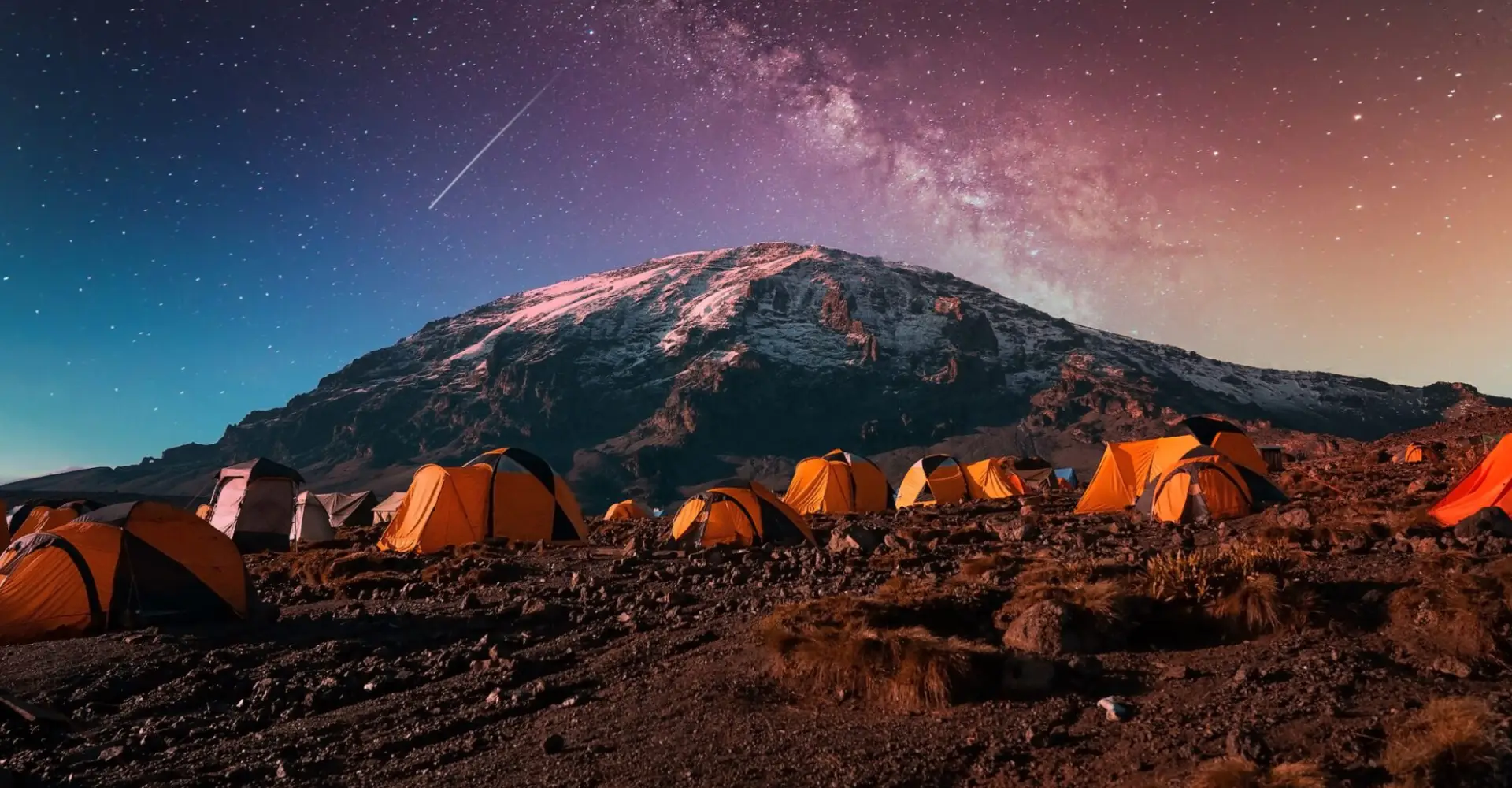
Except on the Marangu Route, climbers sleep in tents throughout the climb. Proper equipment is essential to stay warm and dry.
Key considerations include:
- Weather-rated sleeping bags suitable for freezing temperatures
- Layered clothing to manage changing conditions
- Waterproof outer layers to protect against rain and wind
Cold exposure combined with fatigue and altitude can increase risk if not managed properly.
4
Pace, Hydration, and Acclimatization
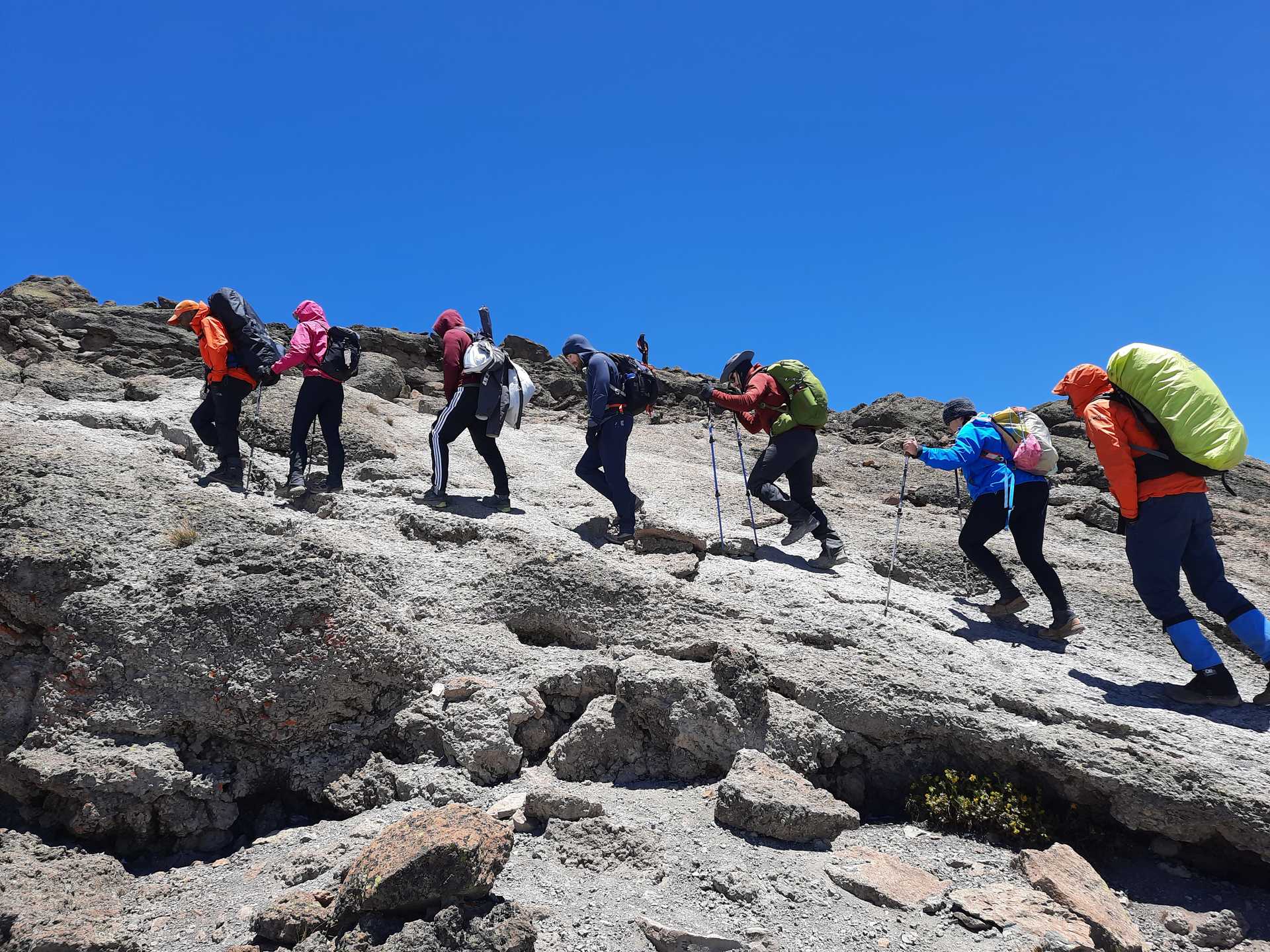
A slow and steady walking pace is one of the most effective safety strategies on Kilimanjaro. Walking slowly improves acclimatization and reduces fatigue.
Important guidelines include:
- Drink a minimum of 3 liters of water per day
- Eat regularly, even if appetite decreases
- Limit caffeine intake due to its dehydrating effect
- Avoid alcohol and smoking during the climb
Intrepid Treks itineraries are designed to follow the climb high, sleep low principle whenever possible, supporting gradual altitude adaptation.
4
Hypothermia Prevention
Hypothermia occurs when the body loses heat faster than it can produce it. On Kilimanjaro, sudden weather changes, rain, and wind can increase this risk.
Preventive measures include:
- Wearing appropriate insulating and waterproof clothing
- Changing out of wet clothing immediately
- Maintaining adequate calorie intake
Once clothing becomes wet at altitude, it is difficult to dry. Proper preparation is the best protection.

Sun and UV Exposure
Due to Kilimanjaro’s proximity to the equator and its high altitude, ultraviolet exposure is significantly stronger than at sea level.
Safety recommendations include:
- Using high-SPF sunscreen
- Applying total sun block at higher altitudes
- Wearing sunglasses at all times, especially on summit day
Snow blindness can occur due to reflected sunlight and can be painful and temporarily disabling.
4
Rescue and Evacuation Procedures
All climbers must have valid travel insurance covering high-altitude trekking and medical evacuation up to at least 6,000 meters above sea level.
If descent is required due to illness or injury:
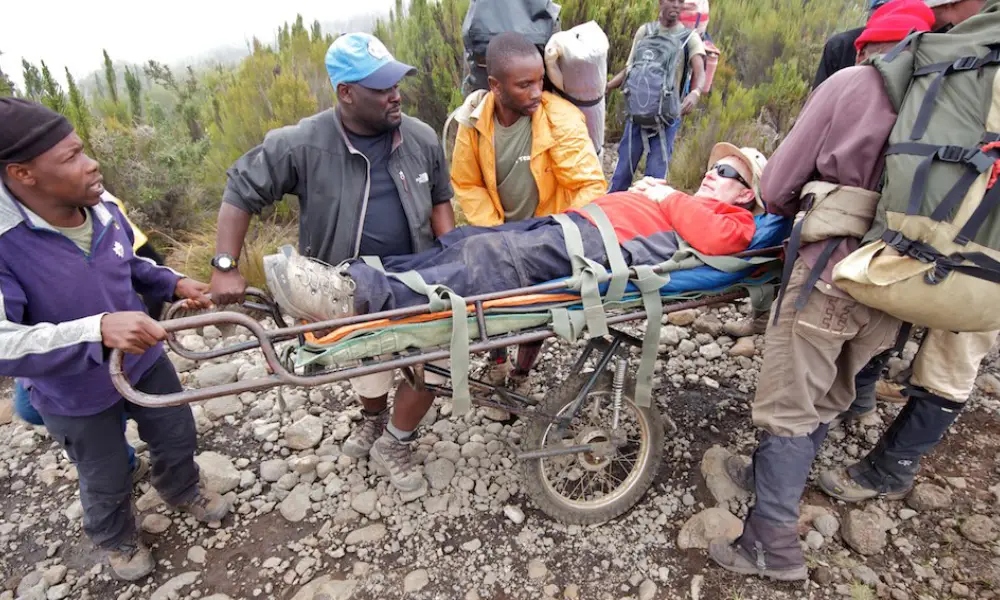
- Mobile stretchers may be used for rapid evacuation to lower altitude
- Most climbers experience immediate improvement after descending
- Clients are transferred to Moshi for rest and medical evaluation if needed
For serious emergencies, Intrepid Treks works with professional evacuation services, including helicopter rescue operated in coordination with Kilimanjaro SAR, where conditions and landing access allow.
Medical Advice and Personal Responsibility
Climbers are strongly advised to consult a medical professional before travel. Some climbers choose to use altitude medication such as acetazolamide. This is a personal decision and should be discussed with a doctor before the climb.
Any medication should be tested prior to travel to identify potential side effects.
Our Commitment to Your Safety
Safety on Kilimanjaro is a shared responsibility. At Intrepid Treks, we provide experienced guides, structured itineraries, proper equipment, and clear procedures to support every climber.
Your role is to prepare well, communicate honestly, and respect the guidance of the mountain team. Together, these measures create the safest possible environment for a successful climb.
