6 Days Shira Route
Duration
Overview
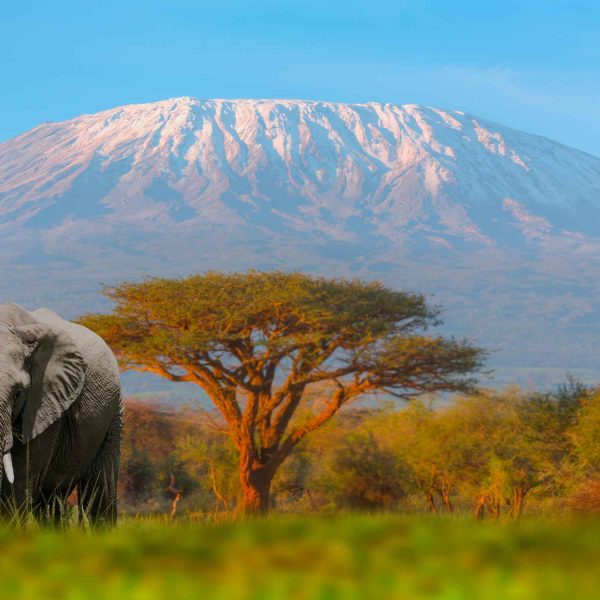
Mount Kilimanjaro can be climbed using six established routes. Marangu, Machame, and Umbwe approach the mountain from the south. Lemosho and Shira approach from the west. Rongai approaches from the north. All routes descend via the Mweka Route except Marangu and Rongai.
The Shira Route is closely related to the Lemosho Route but differs in its starting point. It begins at a much higher elevation on the Shira Plateau, which makes it less suitable for trekkers without prior high-altitude experience.
Because of the high starting altitude, acclimatization on the first days is limited. This is the main drawback of the Shira Route despite its scenic appeal.
Landscape and Scenery
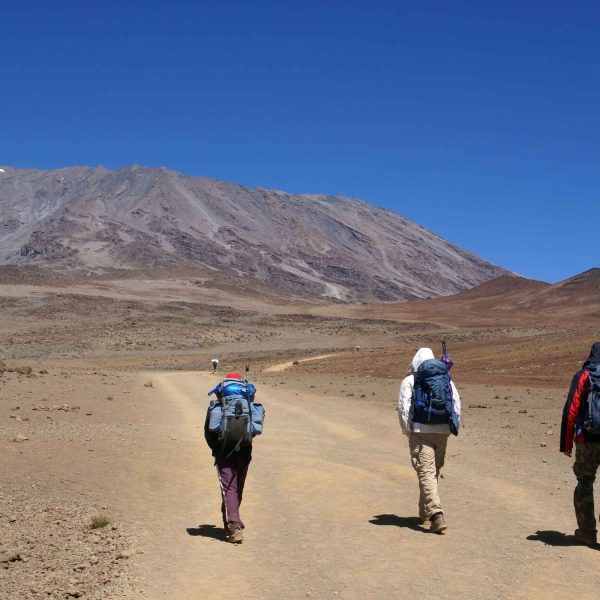
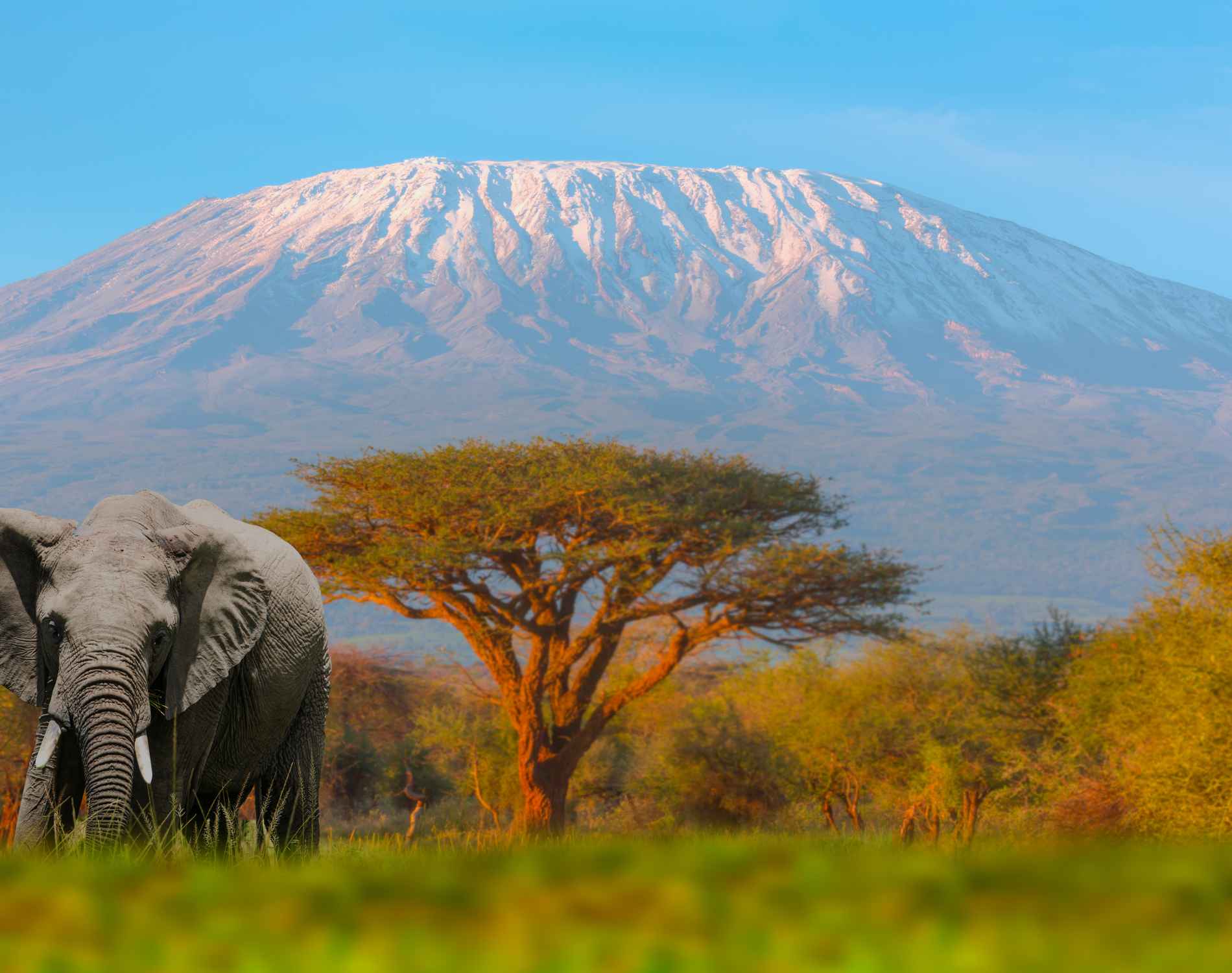
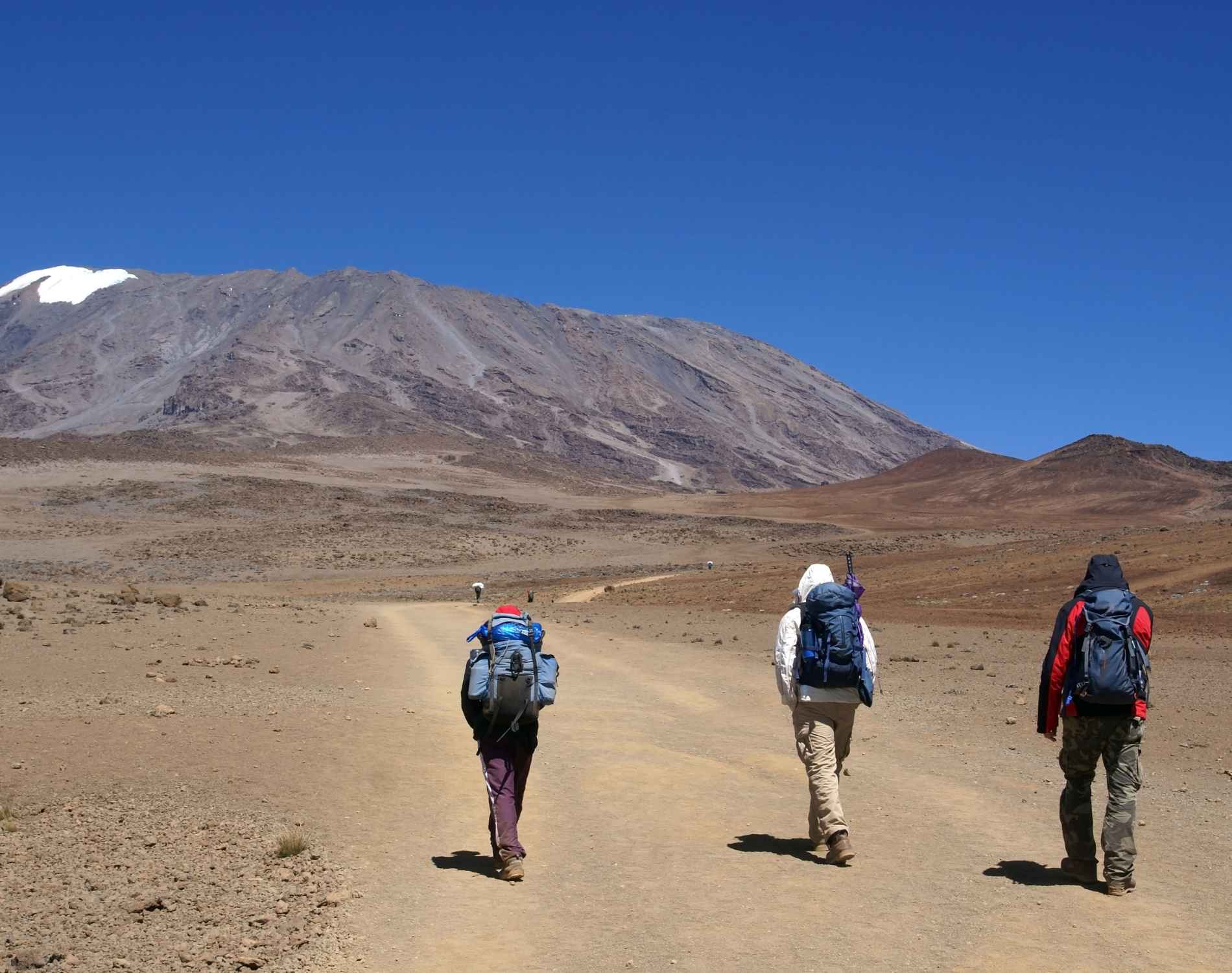
The route begins above the rainforest zone and quickly opens onto the expansive Shira Plateau. The plateau offers wide views, open terrain, and a sense of space that is distinct from forest-based approaches.
After Shira Camp 2, the route joins the Machame Route via Lava Tower and continues along the Southern Circuit toward Barranco Camp beneath the southern ice fields.
Acclimatization and Route Profile
Starting at approximately 3,600 meters, the Shira Route exposes climbers to altitude very early in the climb. Many trekkers experience altitude-related discomfort from the first day due to insufficient time for gradual adaptation.
For this reason, the Shira Route is best suited to climbers who already have experience at high altitude and understand how their bodies respond.
Summit Attempt
The final ascent follows the Southern Circuit and proceeds via Barafu Camp before climbing the southern slopes of Kibo to Uhuru Peak. While the summit night follows a standard southern approach, earlier altitude exposure can influence overall comfort and performance.
Traffic and Overall Experience
The Shira Route is less frequently used than Machame or Lemosho, especially during the first two days. This results in a quieter experience early in the climb before merging with busier southern routes.
Route Characteristics
-
Duration: 6 or 8 days
-
Difficulty: High
-
Scenery: Excellent
-
Traffic: Medium
-
Accommodation Style: Fully supported camping
Pricing
6 Days | 5 Nights . Price Per Person (USD)
Group Size | Price Per Person
| Group Size | Price Per Person |
|---|---|
| 1 Person | USD 2,155 |
Solo & Supplement Charges (USD)
| Charge Type | Cost |
|---|---|
| Solo Climber Add-On | USD 350 |
| Single Supplement | USD 300 |
Prices are indicative and subject to current government-regulated park fees at the time of departure.
Typical Crew Composition (2 Climbers)
-
1 Lead Guide
-
1 Assistant Guide
-
1 Cook
-
1 Waiter
-
1 Toilet Porter
-
10 Porters
Included/Exclude
- Kilimanjaro trekking according to the agreed itinerary
- Professional, English-speaking guide (Wilderness First Responder & CPR certified)
- Proper ration and support of the mountain crew (cook & porters)
- Pre- and post-trek accommodation (2 nights, Bed & Breakfast)
- Airport transfers (arrival & departure)
- All meals on the mountain as per the itinerary (full board)
- Safe drinking water throughout the trek
- All National Park fees, hut/camping fees, crew permits, and VAT
- Fair and sustainable wages for all mountain crew
- Gate transfers
- Complimentary oxygen cylinder (for emergency use)
- Private portable toilet with a dedicated porter
- Use of quality, imported trekking equipment
- International and domestic flights
- Visa fees
- Travel and medical insurance (mandatory – recommendations available)
- Gamow (hyperbaric) bag
- Personal medications
- Tips for porters and mountain crew
- Personal expenses (souvenirs, snacks, etc.)
- Energy foods and beverages, including alcoholic and soft drinks
- Personal hire gear (e.g. trekking poles, sleeping bags, etc.)
- Additional accommodation costs in case of early descent from the mountain
Tour Plan
The drive from Moshi to the trailhead takes about 3 hours. We hike through the rain forest on a winding trail up a ridge. At lower elevations the trail can be muddy and slippery. Gaiters and trekking poles are a good idea here. We continue a short distance until we reach the Shira Camp. An overnight at Shira 2 Camp.
From the Shira Plateau we continue to the east up a ridge, passing the junction towards the peak of Kibo. As we continue, our direction changes to the South East towards the Lava Tower, called the “Shark’s Tooth” (elev 4650m/15,250ft). Shortly after the tower we come to the second junction which goes to the Arrow Glacier. We now continue down to the Barranco Camp. Although you end the day around the same elevation as when you began, this day is very important for acclimatization and will help your body prepare for summit day. An overnight at Barranco Camp.
After breakfast, we leave Barranco and continue on a steep ridge up the Barranco Wall to the Karanga Valley and the junction which connects with the Mweka Trail. An overnight at Karanga Camp.
We continue up to the Barafu Camp. You have completed the South Circuit, which offers views of the summit from many different angles. Here we make camp, rest, enjoy dinner, and prepare for the summit day. An overnight at Barafu Camp.
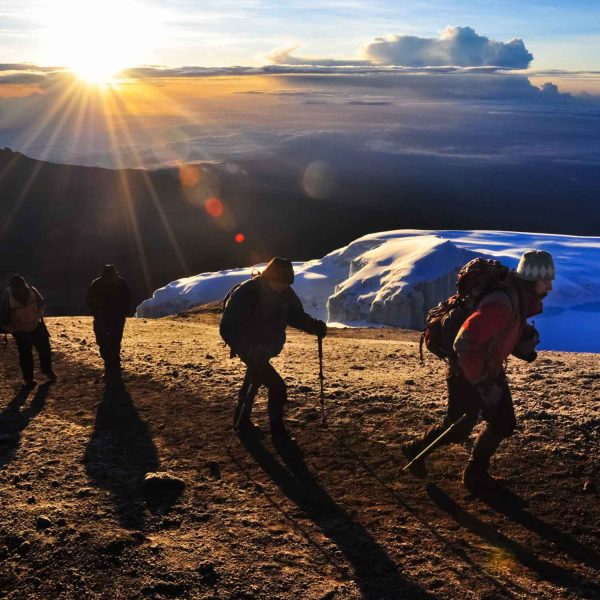
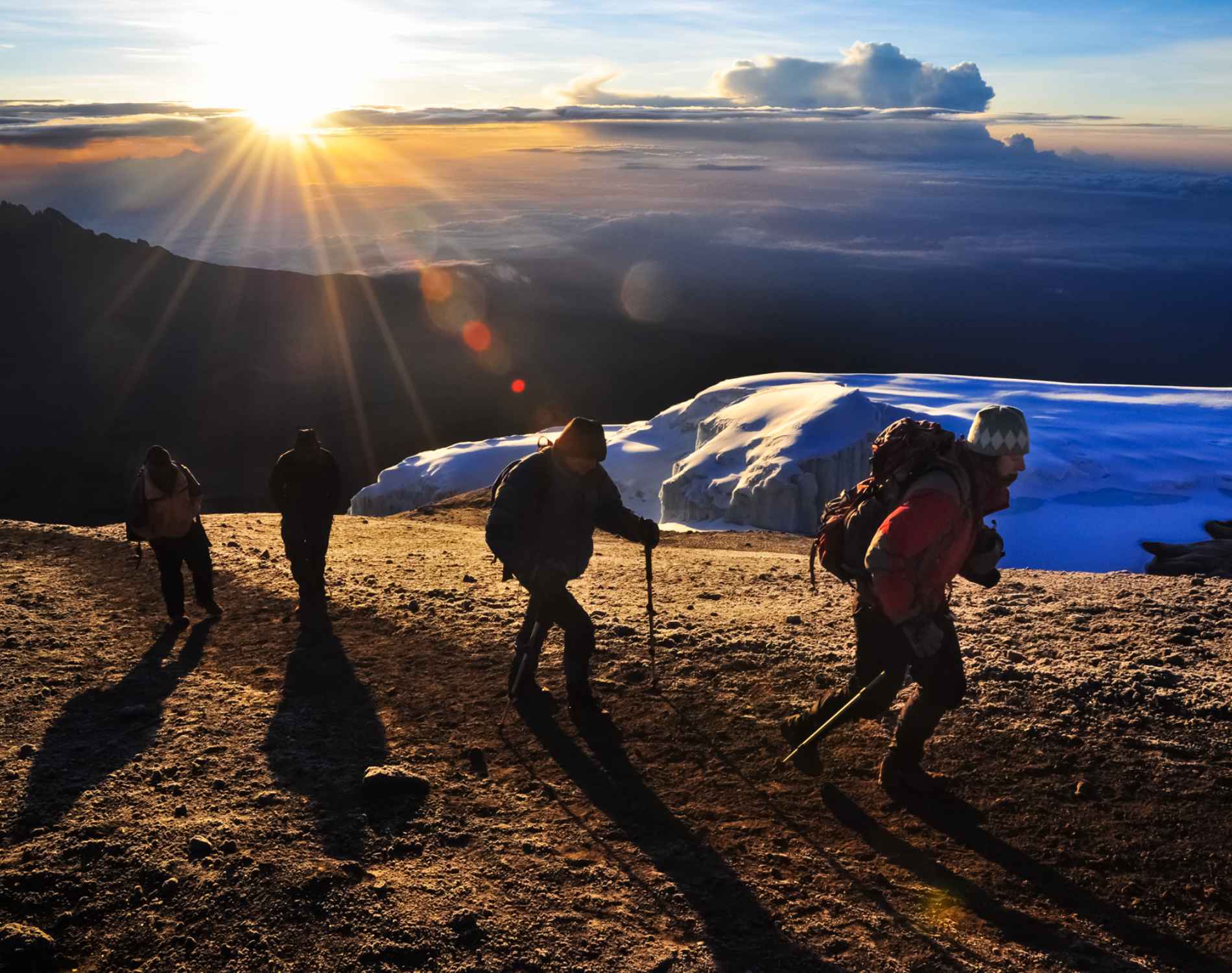
Very early in the morning (midnight to 2 am), we continue our way to the summit between the Rebmann and Ratzel glaciers. You head in a northwesterly direction and ascend through heavy scree towards Stella Point on the crater rim. This is the most mentally and physically challenging portion of the trek. At Stella Point you will stop for a short rest and will be rewarded with the most magnificent sunrise you are ever likely to see. Faster hikers may view the sunrise from the summit.
From Stella Point, you may encounter snow all the way on your 1-hour ascent to the summit. Once at Uhuru Peak you have reached the highest point on Mount Kilimanjaro and the continent of Africa!
From the summit we begin our descent by continuing straight down to the Mweka Camp, stopping at Barafu for lunch. You may want gaiters and trekking poles for the loose gravel going down. We arrive at Mweka Camp and enjoy our last evening on the mountain. An overnight at Mweka Camp.
After breakfast we continue the descent down to the Mweka Park Gate to receive your summit certificates. At lower elevations, it can be wet and muddy. Gaiters and trekking poles will help. Shorts and t-shirts will probably be plenty to wear (keep rain gear and warmer clothing handy).
Book Now
Tour Information
Max Guests
Min Age
Frequently Asked Questions
Most frequent questions and answers
I am item content. Click edit button to change this text. Lorem ipsum dolor sit amet, consectetur adipiscing elit. Ut elit tellus, luctus nec ullamcorper mattis, pulvinar dapibus leo.
Trips can be arranged as private or shared, depending on the package and group size. Private trips offer more flexibility, while shared trips can reduce costs.
Packing depends on the destination and activity. After booking, we provide clear packing guidance to help you prepare properly and comfortably.
Travel insurance is strongly recommended for all travelers. It should cover medical expenses, trip cancellation, and emergency evacuation where applicable.
Yes. Please inform us in advance about any dietary needs or allergies so we can plan accordingly.
Trips may be adjusted for safety reasons due to weather or local conditions. Any necessary changes are communicated clearly, with safety always as the priority.
Our team is available before and during your trip to assist with questions, updates, or support. Contact details are shared upon confirmation.
Local Experts with Deep Tanzania Knowledge
100% Tanzania-focused expertise
We specialize in Tanzania, allowing us to design trips with real local insight, accurate timing, and destination-specific knowledge.
Private Safaris with Dedicated Vehicles
Travel in your own private safari vehicle with an experienced guide, ensuring flexibility, comfort, and a personalized pace every day.
Local travel specialists based in Tanzania
Our team lives and works in Tanzania, giving you first-hand advice, up-to-date conditions, and on-the-ground support throughout your journey.
Carefully Planned Itineraries, Not Generic Tours
Each itinerary is thoughtfully designed based on seasons, wildlife movement, and travel flow. No rushed schedules or copy-paste routes.
Personalized Support Before, During, and After Your Trip
From planning and preparation to on-trip assistance and follow-up, we support you at every stage for a smooth, stress-free experience.
Fast, Clear, and Reliable Communication
We respond quickly, explain clearly, and keep you informed, so you always know what to expect and feel confident in your plans.