

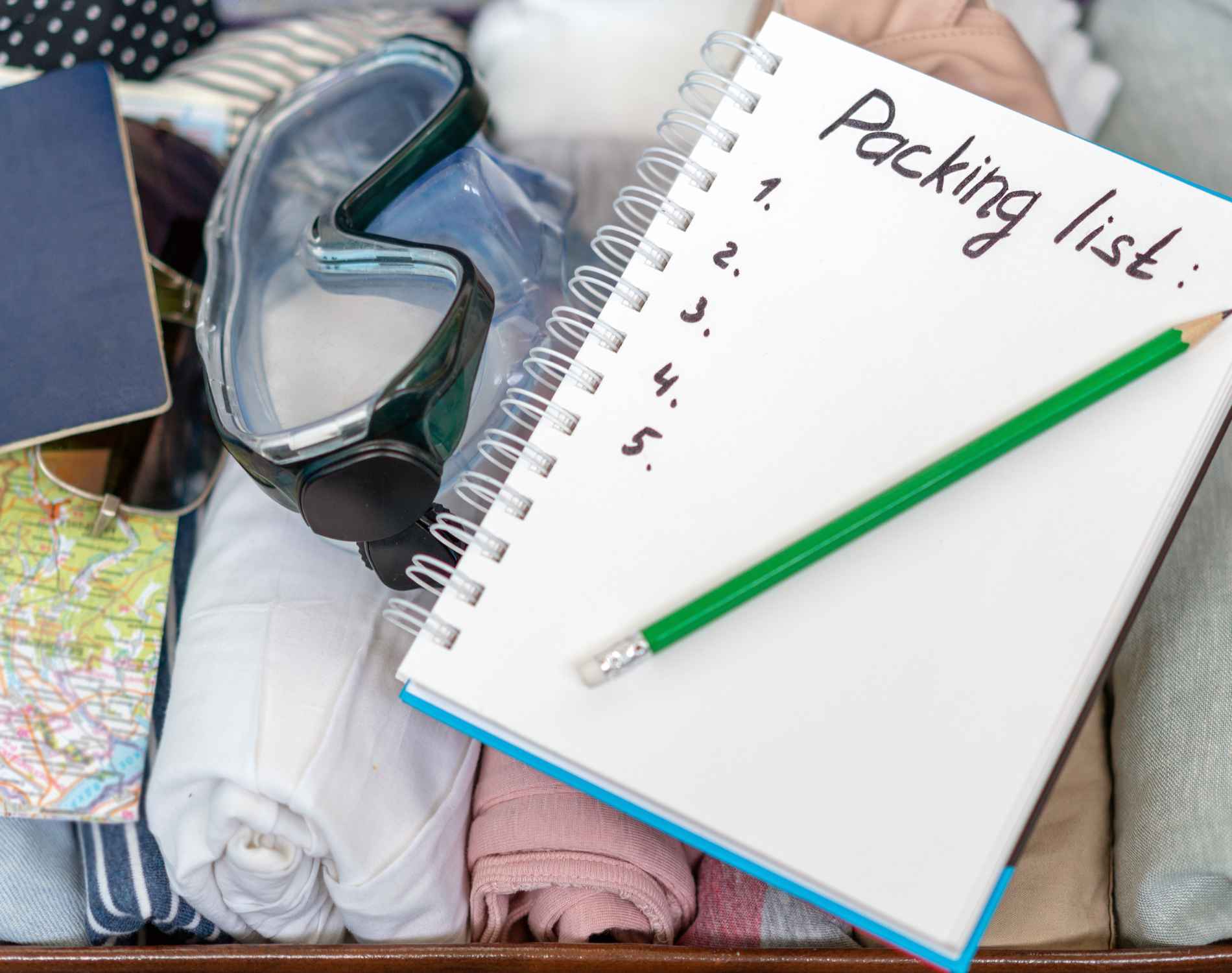
Packing correctly for Mount Kilimanjaro is one of the most important factors in having a safe, comfortable, and successful climb. The mountain takes you through multiple climate zones, from tropical rainforest to freezing alpine conditions, all within a few days.
This packing list covers everything you need, without overpacking or missing essentials.
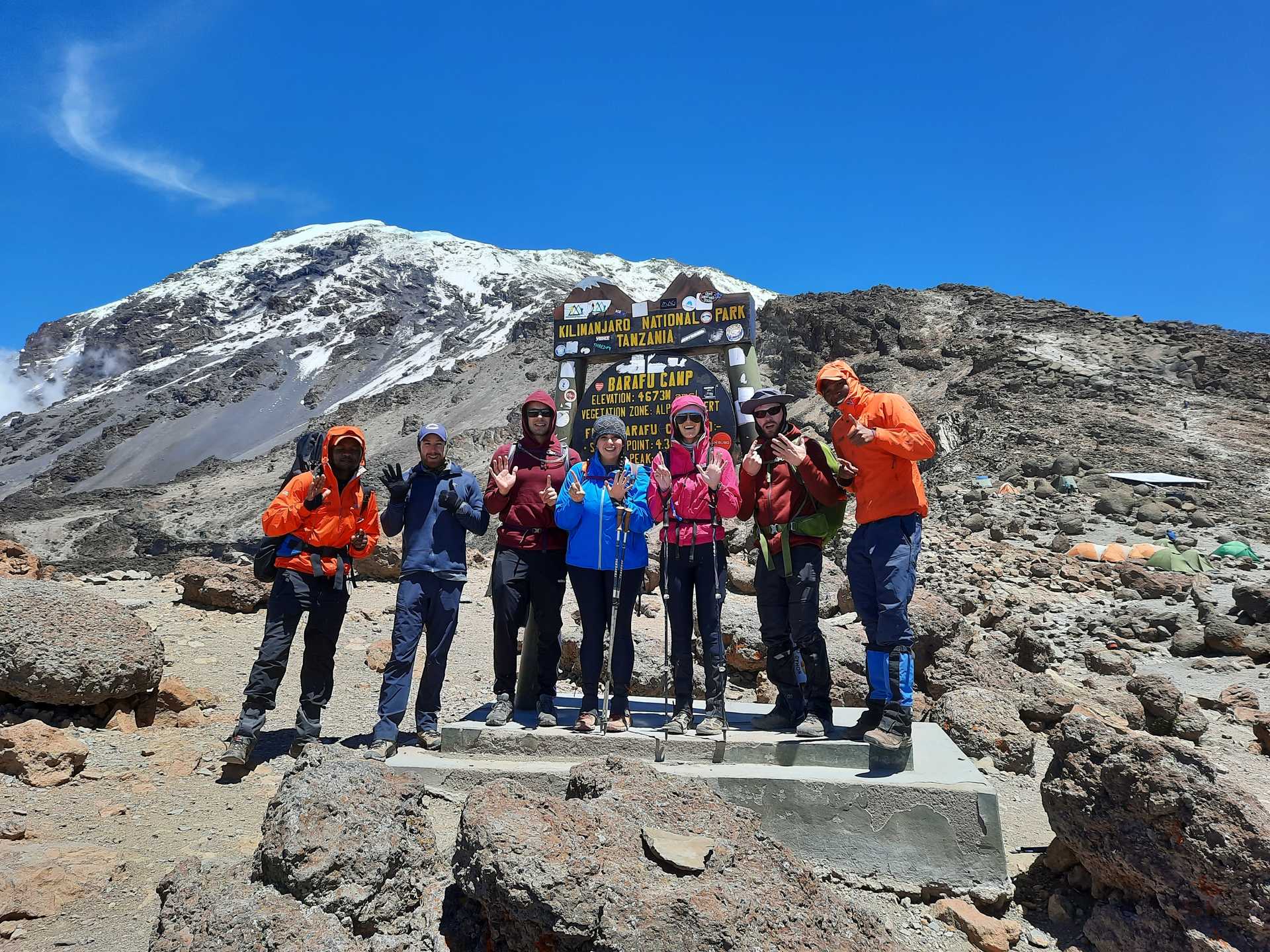
Clothing . Layering Is Key
Layering allows you to adjust to changing temperatures throughout the climb.
Upper Body
- Moisture-wicking base layer (2–3 sets)
- Insulating mid-layer fleece or softshell
- Down or synthetic insulated jacket
- Waterproof and windproof outer jacket
Lower Body
- Trekking pants (2–3 pairs)
- Thermal base layer bottoms
- Waterproof over-trousers
Underwear
- Moisture-wicking underwear
- Thermal underwear for cold nights
Avoid cotton. It retains moisture and increases the risk of getting cold.
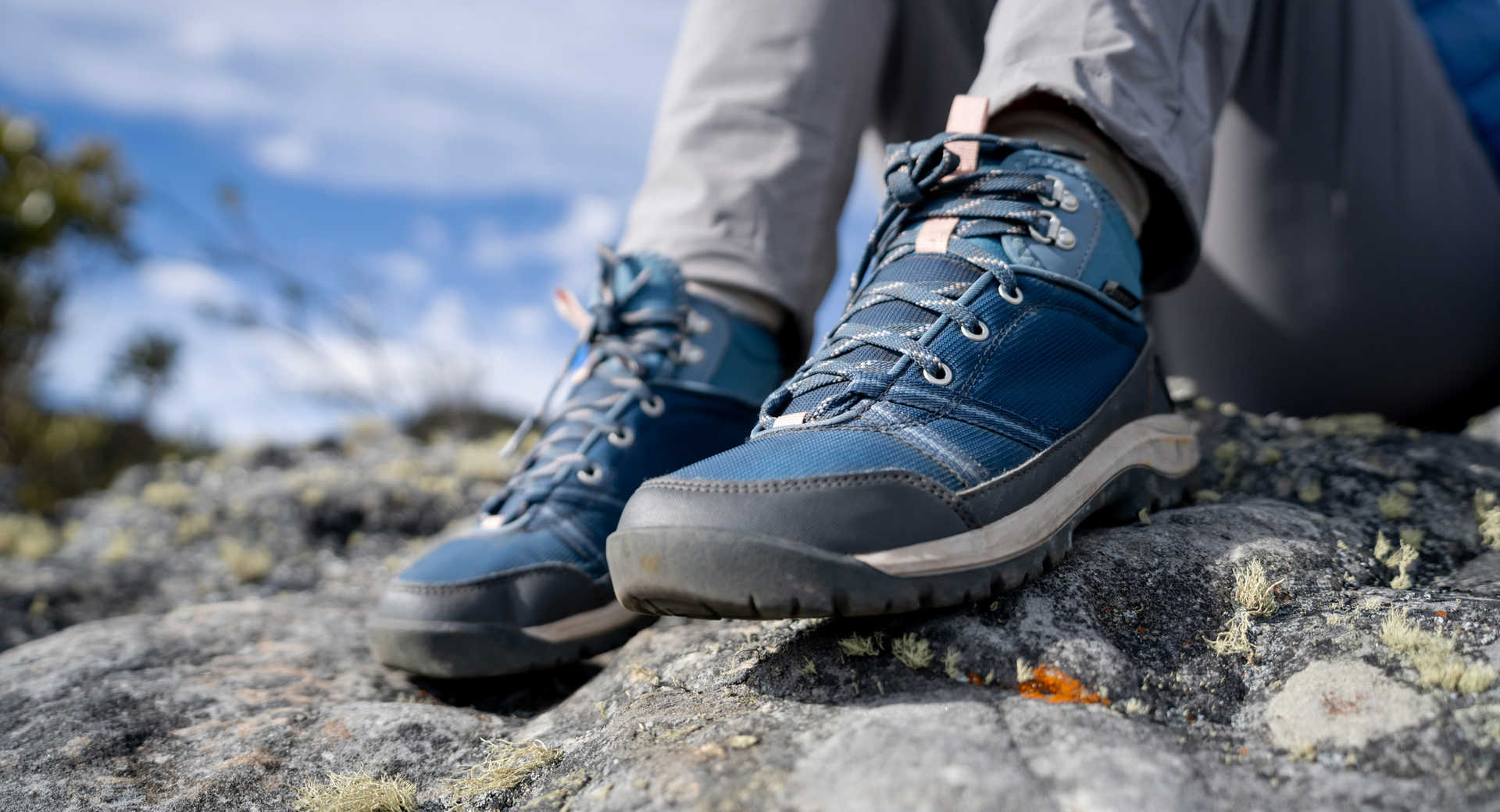
Footwear . Comfort and Warmth Matter
Your feet carry you to the summit. Poor footwear can end a climb.
- Sturdy, waterproof hiking boots (well broken in)
- Lightweight camp shoes or sandals
- Warm trekking socks (3–4 pairs)
- Thermal socks for summit night
- Gaiters (optional but helpful in snow or dust)
Never attempt Kilimanjaro with brand-new boots.

Cold Weather Accessories
Summit night is extremely cold, often well below freezing.
- Warm insulated gloves or mittens
- Lightweight inner gloves
- Warm beanie or wool hat
- Balaclava or neck gaiter
- Sun hat or cap
Cold protection is essential for safety and comfort.
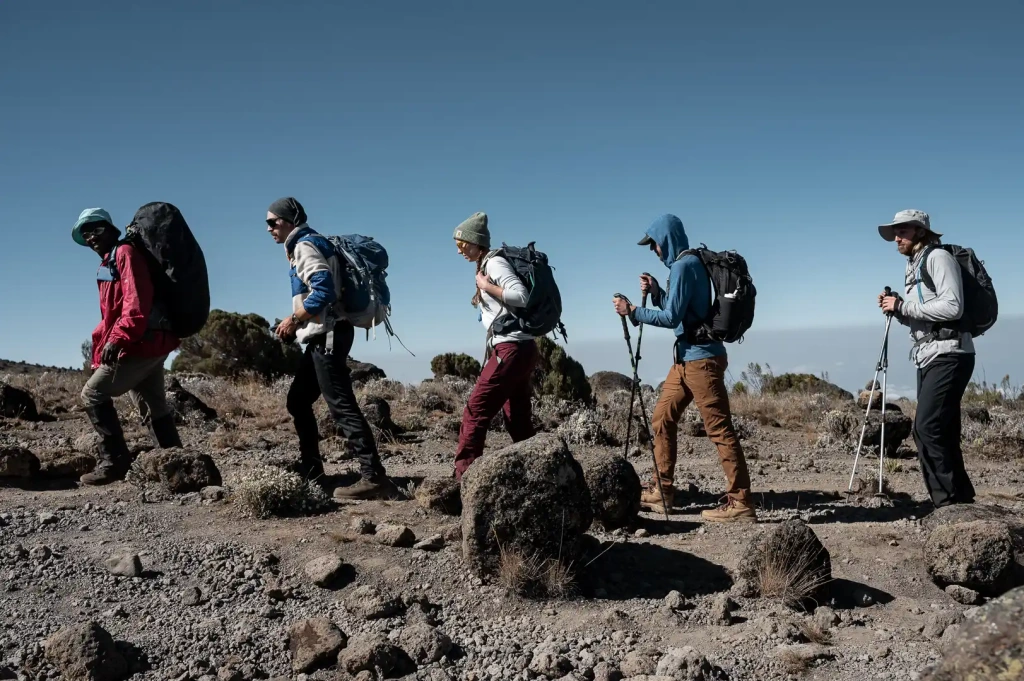
Bags and Trekking Gear
You will typically carry a daypack, while porters carry the main duffel.
- Daypack (25–35L)
- Waterproof duffel bag
- Trekking poles
- Rain cover for backpack
- Dry bags or waterproof liners
Keep essentials like water, snacks, and layers in your daypack.
Essential Equipment
These items are small but critical.
- Headlamp with spare batteries
- Refillable water bottles or hydration bladder
- Sunglasses with UV protection
- Sunscreen (high SPF)
- Lip balm with SPF
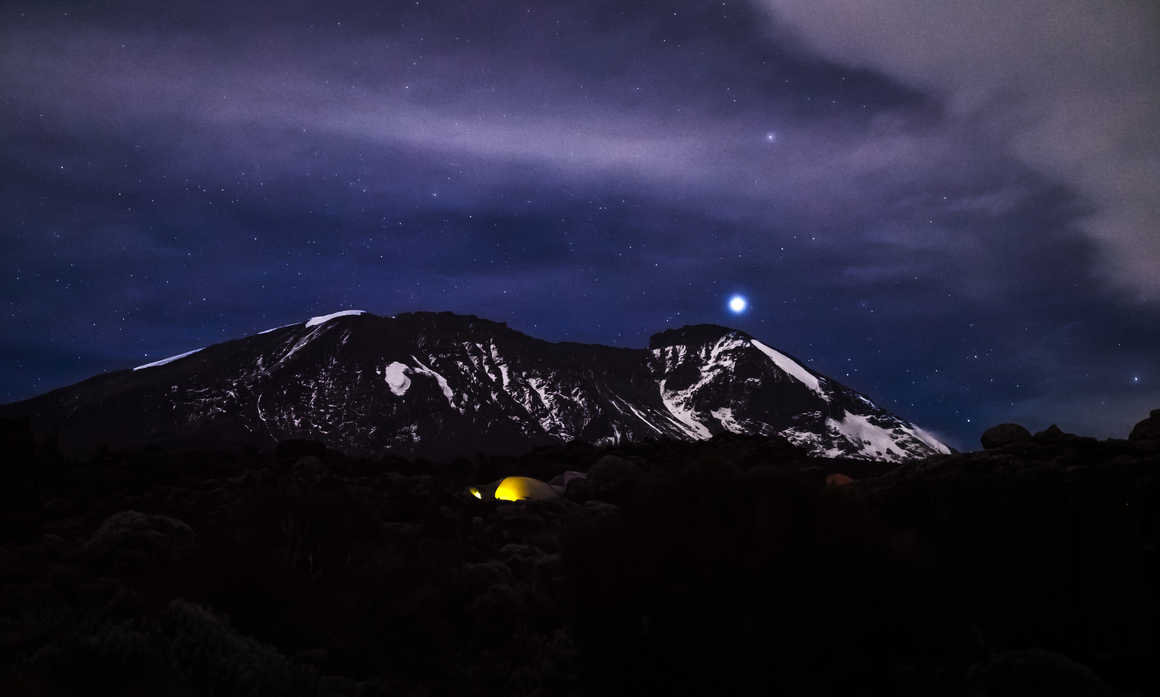
Summit night is done in darkness. A reliable headlamp is mandatory.
Sleeping Gear
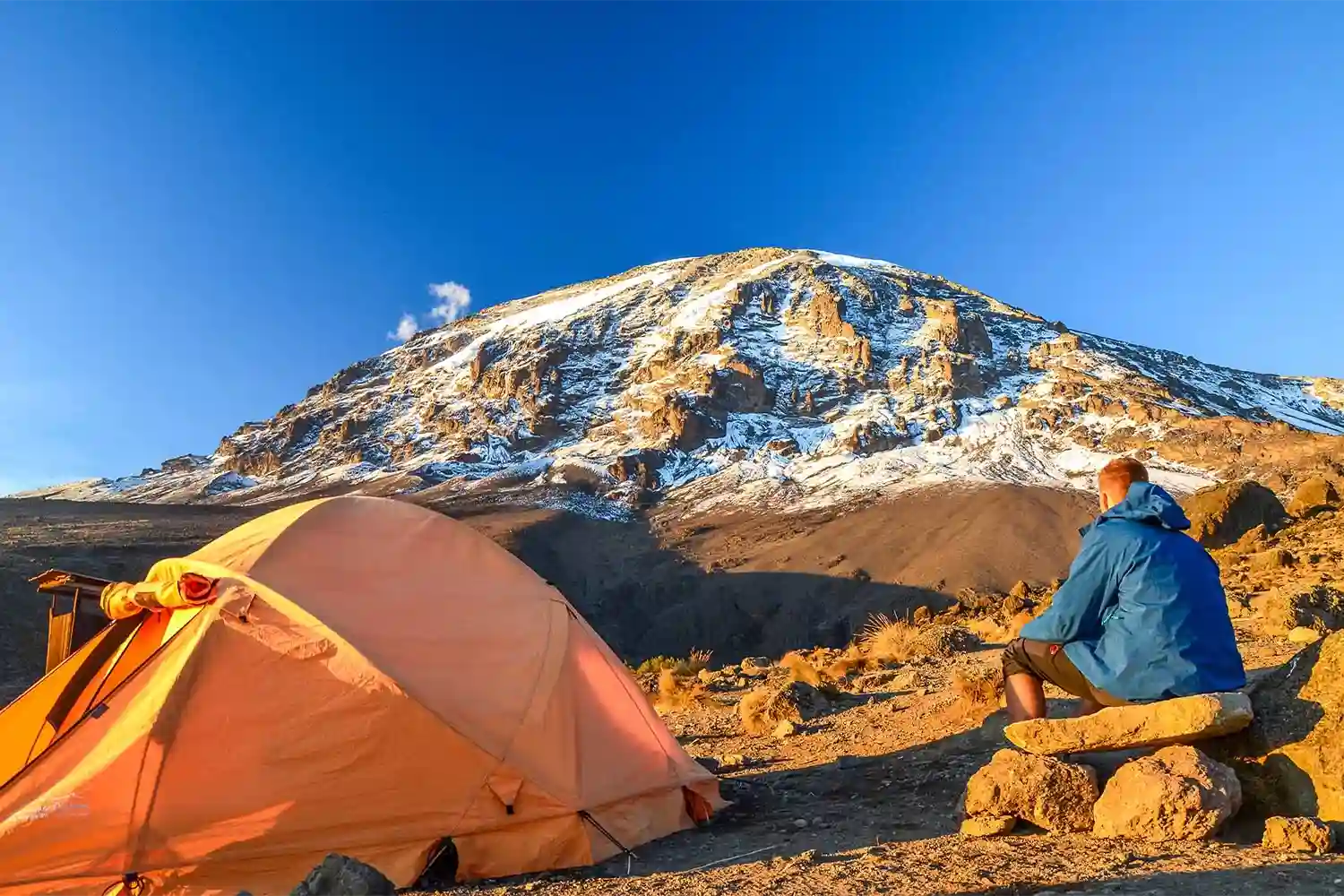
Nights on Kilimanjaro can be very cold, especially at higher camps.
- Sleeping bag rated to at least −10°C
- Sleeping bag liner (adds warmth)
- Inflatable or foam sleeping pad (if not provided)
Good sleep improves acclimatization and recovery.
Health and Personal Items
Altitude affects everyone differently. Be prepared.
- Personal medications
- Basic first-aid kit
- Blister treatment
- Hand sanitizer and wet wipes
- Toilet paper or tissues
Consult your doctor about altitude-related medication if needed.

Snacks and Nutrition
Meals are provided on most climbs, but extra energy helps.
- Energy bars
- Nuts or trail mix
- Electrolyte powder
- Comfort snacks
Choose lightweight, high-energy options.

Documents and Extras
- Passport copy
- Travel insurance details
- Cash for tips
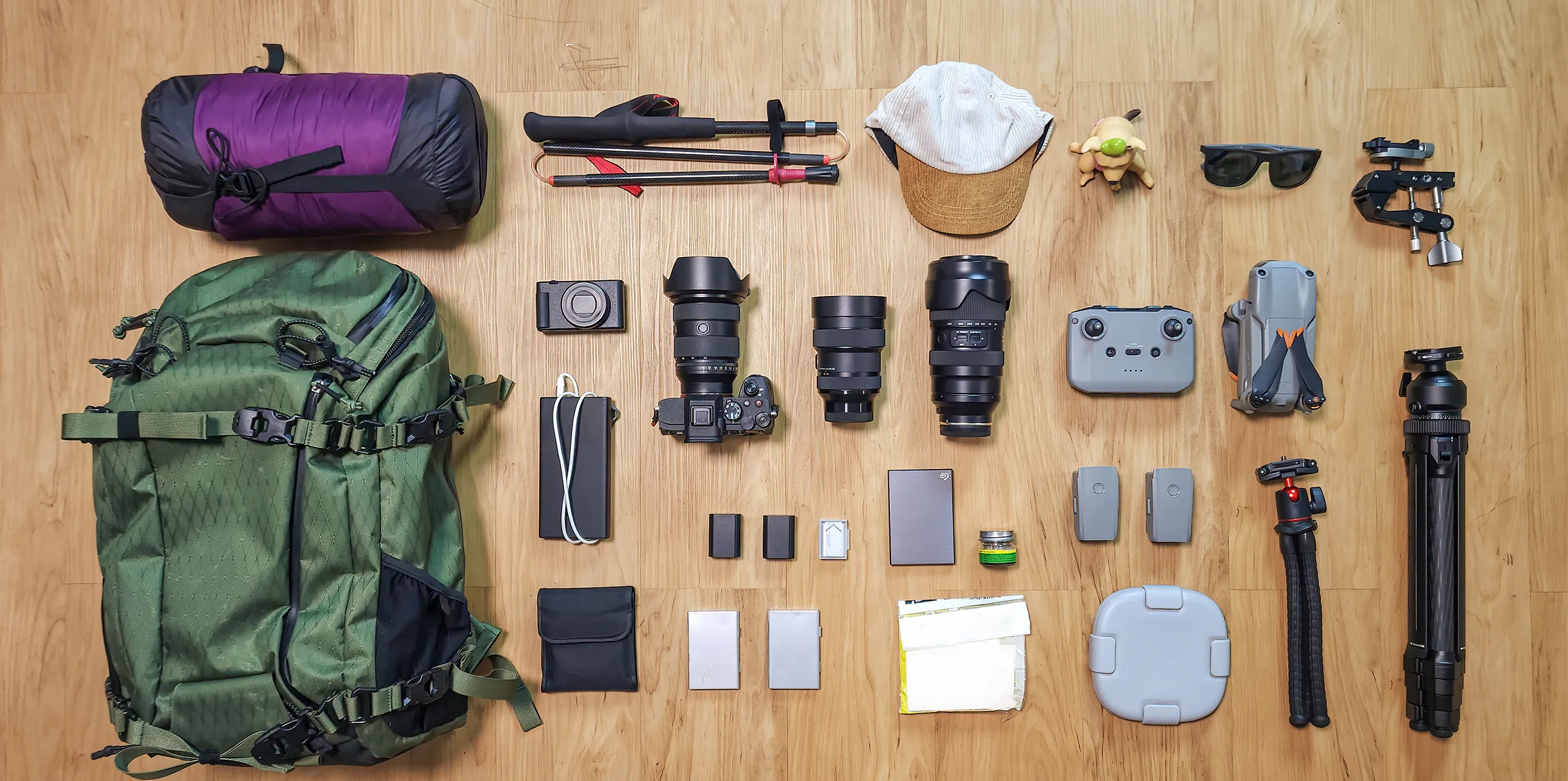
- Camera or phone
- Power bank
Keep documents in waterproof storage.
Final Packing Tips
- Pack light but warm
- Test all gear before the climb
- Layering matters more than heavy clothing
- Quality gear improves safety and comfort
A well-prepared pack allows you to focus on the climb, not discomfort.
Final Thoughts
Packing correctly for Kilimanjaro can make the difference between an enjoyable challenge and a miserable struggle. Prioritize warmth, layering, comfort, and reliability over unnecessary extras.
